Why do cats eat grass? Discover the real vet-backed reasons, warning signs, and safe grass options for your cat today.
Why Do Cats Like to Eat Grass?
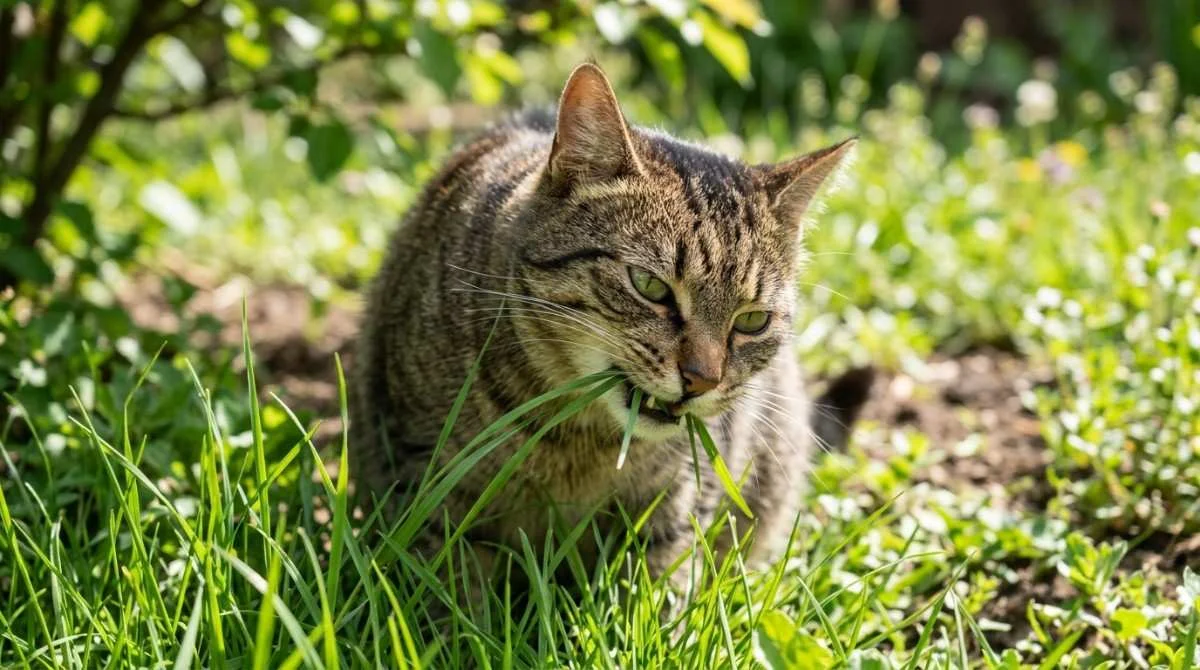
Have you ever watched your cat march outside, chew on a few blades of grass, and then walk away like nothing happened? Many cat owners wonder why do cats like to eat grass, especially when their cat seems perfectly healthy. The truth is, this odd habit is one of the most common and most misunderstood cat behaviors in the world. It is not always about an upset stomach. In fact, most cats who eat grass are not sick at all. This guide breaks down the real, science-based reasons behind this natural feline behavior, what is safe, what is not, and when you should actually worry.
Cats are obligate carnivores, which means meat is their main food source. So why would a meat-eating animal chew on plants? Scientists, veterinarians, and cat behaviorists have studied this for years. Below, we cover every major theory, backed by research, plus a full safety guide made just for cat owners in the United States.
Quick Comparison: Top Reasons Cats Eat Grass
| Reason | How Common It Is | Should You Worry? |
|---|---|---|
| Natural instinct | Very common | No |
| Hairball or fur removal | Common | Usually no |
| Mild upset stomach | Somewhat common | Only if frequent |
| Boredom or stress relief | Common indoors | Sometimes, watch closely |
| Craving fiber or nutrients | Less common | No |
| Sign of a health problem | Rare | Yes, see a vet |
Is It Normal for Cats to Eat Grass?
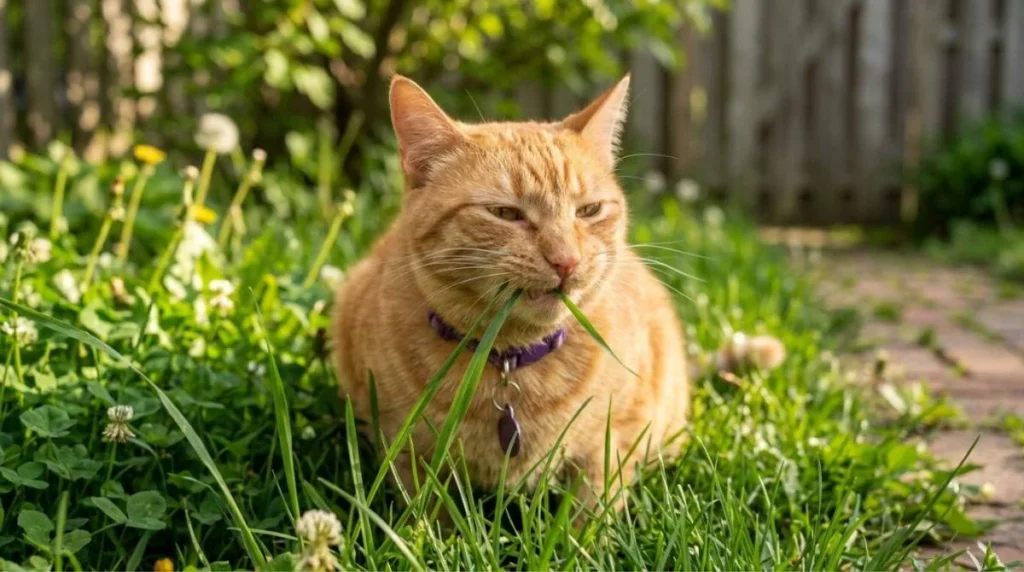
Yes. It is completely normal. Studies show that a large number of pet cats nibble on grass at some point. This includes indoor cats, outdoor cats, and even wild cats like lions and tigers. Grass-eating is an old feline behavior that has been passed down for generations. It is not a modern habit or a sign that something is wrong with your cat food.
Veterinarians often call this behavior plant-eating or grazing behavior. It is part of a cat’s natural instinct, even though cats do not need plants to survive.
Why Do Cats Like to Eat Grass? The Main Theories
There is no single proven answer. Instead, experts point to several strong theories. Most cats probably eat grass for a mix of these reasons, not just one.
1. It Helps Remove Hairballs
Cats groom themselves many times a day. This means they swallow a lot of loose fur. That fur can build up in the stomach and form a hairball. Some experts believe cats eat grass because the rough texture helps push the fur along or brings it back up through vomiting.
A newer study even found that grass blades have tiny, jagged edges called trichomes. These tiny hooks may catch loose hair the same way a hairbrush does. This could explain why cats seem to instinctively reach for certain rough grasses.
2. It May Ease an Upset Stomach
Cats do not have the right enzymes to fully digest grass. Because of this, eating grass can trigger vomiting. Some scientists believe cats do this on purpose when their stomach feels off. It works almost like a natural reset button.
However, this does not mean every cat that eats grass has a stomach problem. Many healthy cats eat grass and never throw up at all.
3. It Might Help With Digestion and Constipation
Grass contains fiber. Fiber can help move things along in the digestive tract. Some vets believe grass acts as a natural laxative for cats that are mildly constipated. This is more common in cats with slower digestion or older cats.
4. It Could Be an Old Survival Instinct
Wild cats hunt small animals like birds and mice. These prey animals often have fur, feathers, and small bones that are hard to digest. Some researchers believe ancient cats ate grass to help clear out these tough leftovers, almost like a parasite prevention tool. Even though house cats do not hunt for food anymore, this old instinct may still be there.
5. It May Add Extra Nutrients
Grass contains small amounts of folic acid, a nutrient that helps with healthy blood cells. While cat food already contains everything a cat needs, some cats may still be drawn to the taste or smell of these nutrients in fresh grass.
6. Cats Might Just Like It
Sometimes the answer is simple. Cats have personalities, just like people. Some cats enjoy the taste, the smell, or the crunchy texture of grass. It can also be a form of sensory enrichment, giving your cat something new to explore and chew on.
7. Boredom or Stress Relief
Indoor cats especially may chew on grass simply because they are bored. Chewing can be soothing. It gives your cat something to do with their mouth and paws. This is similar to how some people chew gum when they feel restless.
Should You Be Worried If Your Cat Eats Grass?
In most cases, no. Grass-eating on its own is not a red flag. But there are times when it can point to a bigger issue. Watch for these warning signs:
- Vomiting more than once or twice a week
- Loss of appetite
- Sudden weight loss
- Diarrhea after eating grass
- Signs of pain or discomfort
- Grass-eating that suddenly becomes much more frequent
If you notice any of these signs, it is time to call your veterinarian. These could point to a gastrointestinal issue, intestinal parasites, or another health condition that needs treatment.
Is Grass Safe for Cats to Eat?
Plain, untreated grass is generally safe in small amounts. But there are real risks American pet owners should know about.
Outdoor Grass Risks
- Pesticides and herbicides: Many U.S. lawns are treated with chemicals that can harm cats. Never let your cat eat grass from a treated yard, golf course, or public park.
- Grass seeds: These sharp seeds can get stuck in a cat’s nose, ears, or paws and may need a vet visit to remove.
- Toxic plants: Cats may accidentally eat something that looks like grass but is not. Common toxic plants in U.S. homes and yards include lilies, sago palm, and English ivy. If you are ever unsure, contact the ASPCA Animal Poison Control Center at (888) 426-4435.
Indoor Grass Is a Safer Choice
Many U.S. pet stores sell safe, pesticide-free cat grass kits. These are usually made from wheat, oat, rye, or barley seeds. Growing your own cat grass at home is one of the easiest ways to keep your cat safe while letting them enjoy this natural habit.
How to Grow Safe Cat Grass at Home
- Choose a wide, shallow container.
- Fill it with potting soil.
- Sprinkle cat grass seeds evenly on top.
- Water lightly and keep the soil moist.
- Place it in a sunny spot, away from other houseplants.
- Grass usually sprouts within 5 to 10 days.
This gives your cat a safe outlet and can even reduce interest in chewing on your other houseplants, some of which may be toxic.
Do Indoor Cats Need Grass?
Indoor cats do not need grass to survive, but many benefit from having it. It offers mental stimulation, a natural texture to chew, and a small taste of the outdoors. For cats who show signs of boredom, such as excessive meowing or chewing on furniture, cat grass can be a simple form of enrichment.
When Should You Talk to a Vet About Grass-Eating?
You should reach out to your vet if:
- Your cat eats grass and vomits often
- Your cat seems uninterested in food
- You notice changes in energy, litter box habits, or behavior
- Your cat is eating large amounts of grass suddenly
- You are unsure if a plant your cat ate is toxic
A vet can run simple tests, such as a fecal exam or bloodwork, to rule out parasites or digestive problems. This is especially important because some gastrointestinal diseases, like inflammatory bowel disease, can also cause a cat to seek out more grass than usual.
FAQs
Why do cats like to eat grass?
Cats eat grass because of natural instinct, hairball relief, mild digestive help, and simple enjoyment of the taste and texture. It is a normal behavior seen in both house cats and wild cats.
Why do cats eat grass and throw up?
Cats cannot fully digest grass. Eating it can trigger vomiting, which may help clear hairballs or ease an upset stomach. Occasional vomiting after grass is usually not a concern.
Is it bad for cats to eat grass?
No, plain untreated grass in small amounts is not bad for cats. It becomes a problem only if the grass has chemicals on it or if your cat vomits very often afterward.
How much grass is too much for a cat?
If your cat eats grass daily and vomits more than once or twice a week, it may be too much. Frequent grass-eating paired with vomiting should be checked by a veterinarian.
Can indoor cats eat grass safely?
Yes. Indoor cats can safely eat grass grown from pesticide-free cat grass kits sold at most U.S. pet stores. This is safer than outdoor grass, which may contain chemicals.
What plants should cats avoid instead of grass?
Cats should avoid lilies, sago palm, English ivy, and other common toxic houseplants. If a cat eats a toxic plant, contact the ASPCA Animal Poison Control Center right away.
Hi, I’m Sana Sajid!I’m the voice behind CatsCare.blog, sharing my 10+ years of hands-on cat care experience. With a diploma in animal care, I offer practical tips, trusted advice, and easy-to-follow guides to help keep your cats healthy and happy.
When I’m not writing, I spend time with my own cats or exploring the latest developments in feline health. Follow CatsCare.blog for expert insights and real cat stories!