
Cat sneezing a lot but acting normal can be harmless or a warning sign. Learn the causes, symptoms, treatments, and when your cat needs veterinary care.
Cat Sneezing a Lot
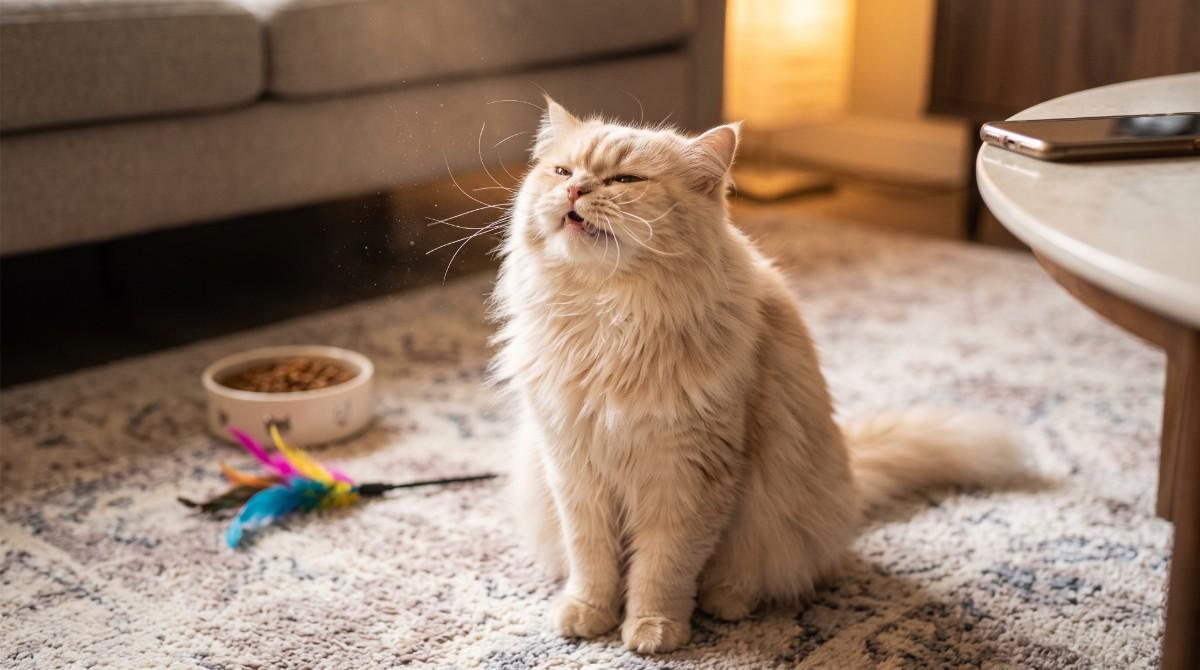
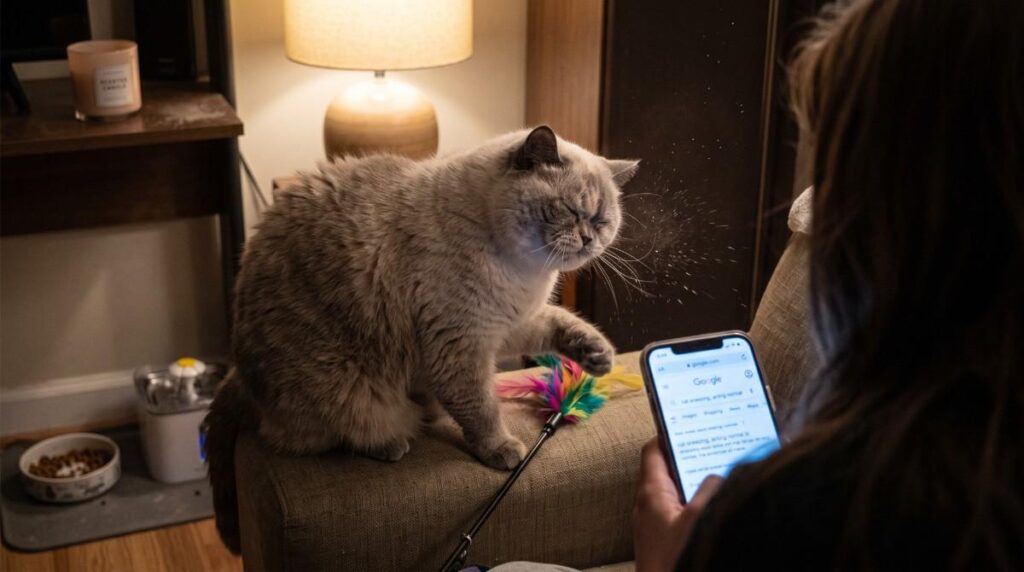
If your cat is sneezing a lot but acting normal still eating, playing, and purring like usual you are probably not dealing with an emergency. Most of the time, a sneezy cat who still acts like their happy self just has a small tickle in their nose. But “probably fine” is not the same as “always fine,” and that’s why so many cat owners search for answers late at night, phone in hand, watching their cat sneeze for the fifth time in an hour.
Here’s the good news cats sneeze for lots of reasons, and most of them are harmless. Dust, a strong candle, a stray hair, or even a burst of excitement can all trigger a sneeze. But sometimes, frequent sneezing is your cat’s way of telling you something is going on inside their body even if they’re hiding it well. Cats are experts at masking discomfort. That’s a survival instinct left over from their wild ancestors, who couldn’t afford to look weak in front of predators.
In this guide, you’ll learn exactly why cats sneeze, how to tell a harmless sneeze from a warning sign, and what steps to take next whether that’s a wait and watch approach at home or a same-day trip to the vet.
Is It Safe to Wait?
Use this simple table to get a fast read on your situation. It’s not a diagnosis just a helpful starting point.
| Sign | Likely Safe to Watch at Home | Time to Call the Vet |
|---|---|---|
| Sneezing | A few times a day, off and on | Many times per hour, or nonstop |
| Nose discharge | Clear and watery | Yellow, green, or bloody |
| Appetite | Eating and drinking as usual | Skipping meals or water |
| Energy | Playful, alert, normal routine | Tired, hiding, or withdrawn |
| Breathing | Quiet and easy | Noisy, open-mouth, or labored |
| How long it’s lasted | 1–3 days | More than a week, or getting worse |
If your cat only matches the left column, home monitoring is usually reasonable. If even one sign from the right column shows up, it’s time to call your vet.
Is It Normal for Cats to Sneeze Sometimes?
Yes. Just like people, cats sneeze to clear their nose. A single sneeze here and there is completely normal cat behavior. It’s the body’s built-in way of pushing out dust, pollen, or a bit of fuzz that snuck in during a nap on the rug.
You might notice your cat sneezes more:
- After rolling in a dusty spot
- Right after using a dusty litter
- When you spray perfume or light a candle nearby
- During play, out of pure excitement
- When the seasons change and pollen levels rise
None of these need a vet visit. They’re simply part of being a cat.
Why Is My Cat Sneezing a Lot But Acting Normal?
This is the exact situation that brings most pet owners here. Your cat sneezes again and again, but they’re still eating, playing, and cuddling like nothing is wrong. So what’s going on?
1. A Mild Upper Respiratory Infection
The most common cause of frequent sneezing in cats is a mild upper respiratory infection, often caused by feline herpesvirus or calicivirus. Think of it like a common cold. Many cats with a mild version of this will sneeze a lot for several days but still act mostly normal eating, playing, and only slowing down a little. These infections are common, contagious between cats, and usually clear up within one to two weeks on their own.
2. Environmental Irritants
Cats have sensitive noses. Everyday household items can set off sneezing fits without making your cat feel sick at all. Common triggers include:
- Scented candles or air fresheners
- Cleaning sprays
- Cigarette or fireplace smoke
- Dusty cat litter
- Perfume or cologne
- New carpet or furniture smells
If the sneezing started right after you changed litter brands or lit a candle, this is likely your answer.
3. Allergies
Cats can have allergies too, though it’s less common than in dogs or people. Pollen, mold, and dust mites can all cause sneezing without any other symptoms. Allergy related sneezing tends to come and go with the seasons.
4. Mild Nasal Irritation From Play or Grooming
Sometimes a cat inhales a bit of their own fur while grooming, or gets a whiff of something odd while exploring. A short sneezing spell that clears up fast, with no other symptoms, usually isn’t a concern.
5. Stress
Cats are sensitive to change. A new pet, a move, a houseguest, or even rearranged furniture can stress a cat enough to trigger a flare-up of a dormant virus like feline herpesvirus. This is a real and well-documented cause of sudden sneezing in an otherwise healthy acting cat.
When “Acting Normal” Can Still Hide a Problem
Here’s something important cats are masters at hiding pain and sickness. In the wild, a sick cat is a target. So even today, your cat’s instinct is to act tough, even when they don’t feel great.
This means “acting normal” is a good sign, but it isn’t a guarantee. Watch closely for small, easy-to-miss changes, such as:
- Slightly less interest in toys
- A little more time spent sleeping
- Chewing food more carefully or slowly
- Sitting a bit more hunched than usual
- Rubbing their face on furniture more often
None of these alone mean an emergency. But if you notice two or three together, alongside the sneezing, it’s worth a closer look.
Signs That Mean It’s More Than Just a Minor Sneeze
Call your vet if your cats sneezing comes with any of the following:
- Yellow, green, or bloody nasal discharge
- Discharge from only one nostril
- Swollen or watery eyes
- Loss of appetite for more than a day
- Noisy or open-mouth breathing
- Pawing at the face repeatedly
- Fever, low energy, or hiding
- Sneezing that lasts more than seven to ten days
- Sneezing that keeps getting worse instead of better
These signs can point to a bacterial infection, dental disease, a foreign object stuck in the nose, or in rare cases, a more serious condition. A vet visit can bring quick relief and clear answers.
Home Monitoring Checklist
If your cat is sneezing but otherwise seems fine, keep a simple daily log for three to five days. Track:
- How many times they sneeze each day
- The color of any nasal discharge
- Whether they are eating and drinking normally
- Their energy level and mood
- Any new symptoms, even small ones
This log is incredibly helpful if you do end up calling the vet — it turns “I think it’s been a few days” into clear, useful information for your vet to work with.
How Vets Diagnose a Sneezing Cat
If you do visit the vet, here’s what typically happens:
- Physical exam: The vet checks your cat’s nose, eyes, mouth, and teeth for signs of infection or irritation.
- History questions: They’ll ask about recent changes at home, other pets, and how long the sneezing has lasted.
- Bloodwork: This can rule out infections or underlying illness.
- Imaging or rhinoscopy: For long-lasting cases, X-rays or a small camera exam may be used to look for blockages, tumors, or structural issues.
Most sneezing cats never need anything beyond a physical exam and a short conversation with the vet.
How Sneezing in Cats Is Treated
Treatment depends entirely on the cause:
- Mild viral infections: Often just need rest, good nutrition, and time. Some vets recommend L-lysine supplements to support recovery.
- Bacterial infections: Treated with antibiotics, especially if discharge is yellow or green.
- Allergies: Managed with antihistamines or by removing the trigger from the home.
- Dental disease: Treated by addressing the infected tooth, which often stops the sneezing completely.
- Foreign objects: Removed during a quick procedure under anesthesia.
Most cats bounce back quickly once the right treatment starts.
A Note for Cat Owners in the United States
Sneezing patterns can shift with the seasons across the U.S. In spring and fall, pollen spikes in many regions can trigger short bursts of allergy-related sneezing. In colder northern states, dry indoor heat during winter months can dry out a cat’s nasal passages, making sneezing more common from November through February. In humid southern states, mold spores can linger year-round and act as a steady irritant. If your cat’s sneezing seems to follow a seasonal pattern where you live, allergies or dry air are a likely cause and a home humidifier can often help.
Multi-cat households and cats adopted from shelters are also more likely to carry dormant herpesvirus, which can flare up during stressful periods, such as holidays with extra guests or a recent move.
How to Help Prevent Sneezing at Home
- Use low-dust, unscented cat litter
- Skip scented candles and air fresheners near your cat’s space
- Keep vaccinations up to date
- Run a humidifier during dry winter months
- Brush your cat’s teeth regularly to prevent dental disease
- Reduce stress with a calm, predictable routine
- Keep the litter box and living space clean
Small changes like these can make a big difference in how often your cat sneezes.
FAQs
Q1. Is it normal for a cat to sneeze a lot but still act fine?
Yes, this is common and usually means a mild irritation or a minor viral infection. As long as your cat is eating, drinking, and playing normally, it’s often safe to monitor them at home for a few days.
Q2. How many sneezes a day is too many for a cat?
A few sneezes spread across the day is normal. Sneezing many times in a row, or several times every hour, is a sign to call your vet, even if your cat seems otherwise healthy.
Q3. Can stress cause a cat to sneeze without other symptoms?
Yes. Stress can trigger a flare-up of dormant feline herpesvirus, causing sneezing with no other clear symptoms. Common stress triggers include moving homes, new pets, or houseguests.
Q4. Should I take my cat to the vet if they are sneezing but eating normally?
Not always right away. If your cat is eating, playing, and has no colored discharge, you can usually wait a few days. See a vet if sneezing lasts more than a week or new symptoms appear.
Q5. Can I give my cat human allergy medicine for sneezing?
No, not without a vet’s guidance. Many human allergy medications are unsafe for cats. Always talk to your veterinarian before giving your cat any medication, including antihistamines.


![A beautiful tabby cat with amber eyes sitting with its paw up, used to illustrate content discussing the reasons for feline salivation and answering [Why do Cats Drool].](https://catscare.blog/wp-content/uploads/2025/12/Why-do-Cats-Drool.jpg)