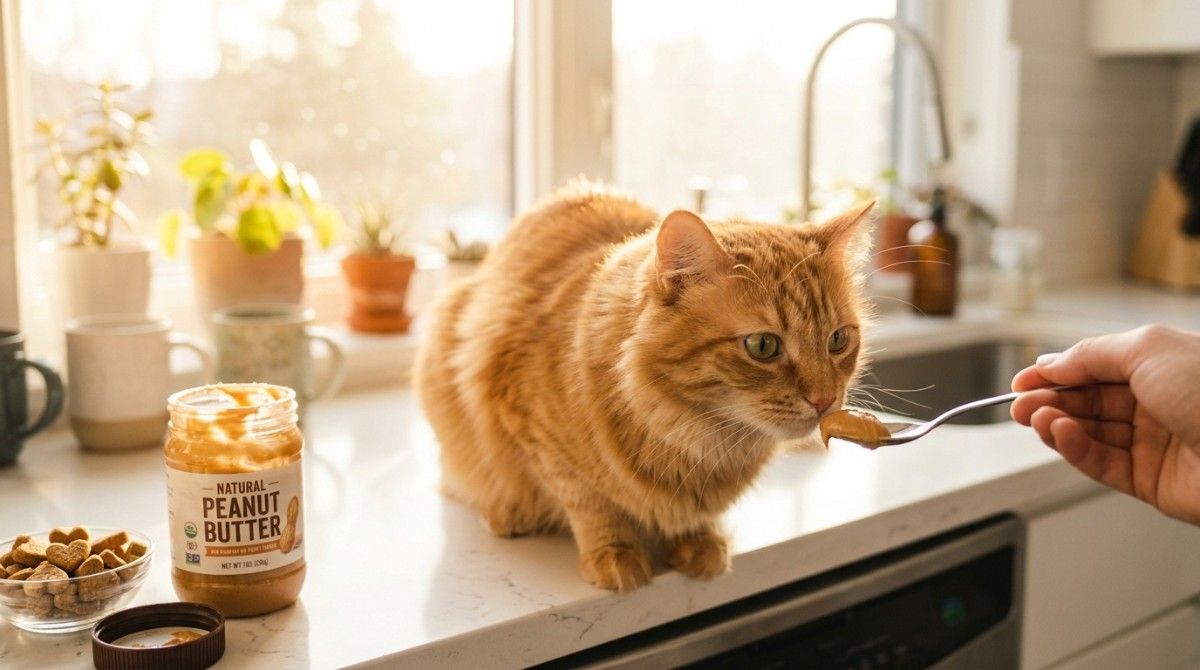
Practical cats care tips covering feeding, litter boxes, grooming, vet visits, and warning signs everything you need to keep your cat healthy and happy.
Cats Care
Good cat care is not hard once you know the basics. But many new cat owners in the United States feel lost. Should you feed wet food or dry food? How often should you clean the litter box? When does your cat need to see a vet? This guide answers all of that and more. It covers everything from kitten care to senior cat health, with clear steps you can start using today. Whether you just adopted your first kitten or you have had cats for years, this guide will help you give your cat a longer, happier, and healthier life.
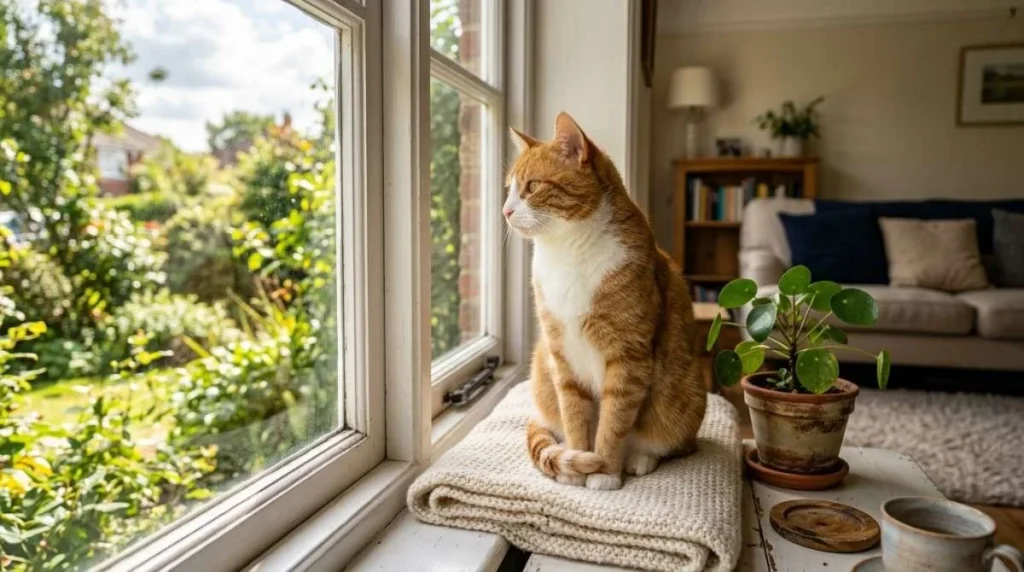
Cats are one of the most popular pets in America. Millions of US households share their homes with a feline friend. But cats have needs that are very different from dogs. They need the right pet nutrition, a clean litter box routine, regular grooming, and steady veterinary care. Miss one of these, and your cat’s health and mood can suffer. Get them right, and you will have a happy cat who trusts you and thrives for many years.
Quick Comparison: Cat Care Basics at a Glance
Before we go deep into each topic, here is a simple table to help you understand the big picture.
| Care Area | What Your Cat Needs | How Often |
|---|---|---|
| Feeding | High-protein wet or dry food | 2 times a day |
| Water | Fresh, clean water | Refill daily |
| Litter Box | Scooping and full cleaning | Scoop daily, full clean weekly |
| Grooming | Brushing coat | 1–3 times a week |
| Vet Visits | Checkup and vaccines | Once a year |
| Play Time | Toys and activity | 15–30 minutes daily |
| Nail Trimming | Trim claws | Every 2–3 weeks |
Now let’s break down each part of cat care in detail.
Feeding Your Cat the Right Way
Food is the base of good cat nutrition. Cats are obligate carnivores. This means they must eat meat to stay healthy. Their bodies need a nutrient called taurine, which only comes from animal protein. Without it, cats can develop serious heart and eye problems.

Wet Food vs. Dry Food
Many owners ask which is better: wet food or dry food. The truth is, both can work well. Here is a simple breakdown.
| Food Type | Pros | Cons |
|---|---|---|
| Wet Food | More water content, tastes great, good for hydration | Costs more, spoils fast once opened |
| Dry Food | Cheaper, easy to store, good for teeth | Less water, can lead to weight gain if overfed |
Most vets suggest a mix of both. This gives your cat hydration from wet food and the crunch benefits of dry food.
How Much and How Often to Feed
- Feed adult cats two meals a day.
- Kittens under six months need three to four small meals a day.
- Always check the food label for portion size based on your cat’s weight.
- Do not leave wet food out longer than 30 minutes. It spoils fast.
Foods to Avoid
Some human foods are toxic to cats. Never feed your cat:
- Onions and garlic
- Chocolate
- Grapes and raisins
- Raw dough
- Alcohol
If your cat eats something toxic, call your vet or the ASPCA Animal Poison Control Center right away. In the US, this line is open 24 hours a day.
Water and Hydration
Cats do not drink much water on their own. This is part of their wild history, since their ancestors got most water from prey. But low water intake can lead to urinary tract problems, a very common issue in house cats.
Tips to boost hydration:
- Use a cat water fountain. Moving water attracts cats more than still water.
- Keep bowls in a few different spots around your home.
- Add a splash of low-sodium broth to meals.
- Wash and refill water bowls every single day.
Litter Box Care and Habits
A clean litter box is one of the biggest keys to a happy cat. Cats are very clean animals by nature. If the box is dirty, they may refuse to use it and go elsewhere in your home instead.
Litter Box Best Practices
- Scoop solid waste once a day, at minimum.
- Fully dump, wash, and refill the box once a week.
- Use one litter box per cat, plus one extra. So two cats need three boxes.
- Place boxes in quiet, low-traffic spots.
- Avoid strong-scented litter or cleaners like ammonia. Cats dislike strong smells.
Litter Type Comparison
| Litter Type | Best For | Notes |
|---|---|---|
| Clumping Clay | Easy daily scooping | Most popular choice in the US |
| Non-Clumping Clay | Budget owners | Needs full changes more often |
| Crystal/Silica | Odor control | Lasts longer between changes |
| Natural (Corn, Wheat, Pine) | Eco-conscious owners | Good for cats with allergies |
If your cat suddenly stops using the litter box, this can be a sign of a health issue, not just bad behavior. A vet visit is a smart first step.
Grooming: Keeping Your Cat’s Coat Healthy
Cats groom themselves, but they still need your help. Brushing removes loose fur, cuts down on hairballs, and lets you check for skin problems early.
Grooming Steps by Coat Type
- Short-haired cats: Brush 1–2 times a week.
- Long-haired cats: Brush daily to prevent painful mats.
- Senior cats: May need more help since they groom themselves less as they age.
Nail Trimming
Trim your cat’s nails every two to three weeks. This protects your furniture and prevents overgrown claws, which can curl into the paw pad and cause pain.
Dental Care
Dental disease is one of the most overlooked cat health issues. Try to brush your cat’s teeth a few times a week using cat-safe toothpaste. Ask your vet about dental treats or a professional cleaning if you notice bad breath or red gums.

Health and Veterinary Care
Regular veterinary care is one of the best gifts you can give your cat. Many health problems are easy to treat early but become serious and costly if ignored.
How Often Should Cats See the Vet?
- Kittens: Every 3–4 weeks until 16 weeks old, for vaccines.
- Adult cats: Once a year for a checkup and vaccines.
- Senior cats (7+ years): Twice a year, since health issues rise with age.
Signs You Should Call the Vet
Watch for these warning signs:
- Not eating for more than 24 hours
- Vomiting or diarrhea for more than two days
- Hiding more than usual
- Straining in the litter box with no output
- Sudden weight loss
Behavior and Enrichment
Cats need more than food and a clean box. They need mental and physical activity to stay happy.
Ways to Keep Your Cat Active
- Rotate toys weekly so they stay exciting.
- Use puzzle feeders to slow down fast eaters and add mental challenge.
- Set up a cat tree or window perch for climbing and watching birds outside.
- Play with a wand toy for 15–30 minutes a day.
Understanding Cat Body Language
Learning your cat’s signals helps you bond and spot stress early.
- Tail high and straight: Happy, confident.
- Tail puffed up: Scared or startled.
- Slow blink: A sign of trust and love.
- Flattened ears: Stressed or annoyed.
Indoor vs. Outdoor Cats
This is a big decision for US cat owners. Here is a simple breakdown to help you choose.
| Factor | Indoor Cats | Outdoor Cats |
|---|---|---|
| Lifespan | Longer, often 12–18 years | Shorter, often 2–5 years |
| Safety | Safe from cars, predators, disease | Higher risk of injury and illness |
| Exercise | Needs owner-driven playtime | Gets natural exercise |
| Parasite Risk | Lower | Higher (fleas, ticks, worms) |
Most US vets recommend keeping cats indoors, or giving them supervised outdoor time in a secure “catio” space. This keeps your cat safe while still letting them enjoy fresh air.
Safety and Poison Prevention
Cats are curious, and that curiosity can get them into trouble. Keep these hazards out of reach:
- Household cleaners and chemicals
- Certain houseplants, like lilies, which are highly toxic to cats
- Rubber bands, string, and small objects that can be swallowed
- Open windows without screens
Always keep your vet’s number and the ASPCA Poison Control number saved in your phone for emergencies.
Spaying, Neutering, and Identification
Most US vets recommend spaying or neutering cats by five months old. This helps prevent unwanted litters and can reduce the risk of certain health problems later in life.
For identification, use both:
- A breakaway safety collar with an ID tag
- A microchip, which cannot fall off and greatly improves the chance of a lost cat being returned home
Kitten Care: The First Year
Kittens need extra care during their first twelve months. Their bodies grow fast, and their immune systems are still building strength.
Kitten Feeding Schedule
- 0–4 weeks: Mother’s milk or kitten formula only.
- 4–8 weeks: Start soft, wet kitten food mixed with formula.
- 2–6 months: Feed kitten-formula food three to four times a day.
- 6–12 months: Slowly switch to adult food as growth slows down.
Kitten Vaccine Schedule
US vets generally follow a schedule like this:
| Age | Vaccine |
|---|---|
| 6–8 weeks | FVRCP (first dose) |
| 10–12 weeks | FVRCP (second dose) |
| 14–16 weeks | FVRCP (final dose), Rabies |
| 12 months | Booster shots |
Kittens should also be checked for parasites and started on flea prevention early, since fleas can cause anemia in very young cats.
Socializing Your Kitten
The first few months shape how your cat behaves as an adult. Gently expose your kitten to new sounds, people, and safe handling. This builds a confident, friendly cat instead of a fearful one.
Senior Cat Care
Cats are considered senior around age 11. Older cats need some changes to their care routine to stay comfortable and healthy.
What Changes for Senior Cats
- More frequent vet visits. Twice a year instead of once, so problems like kidney disease or arthritis are caught early.
- Softer food. Dental issues can make hard kibble painful to chew.
- Easier access. Add low-sided litter boxes and ramps to favorite resting spots if your cat has joint pain.
- Weight monitoring. Both weight loss and weight gain can signal health problems in older cats.
Common Senior Cat Health Issues
| Condition | Signs to Watch For |
|---|---|
| Kidney Disease | More thirst, more urination, weight loss |
| Arthritis | Trouble jumping, stiffness, less grooming |
| Hyperthyroidism | Weight loss despite eating more |
| Dental Disease | Bad breath, drooling, dropping food |
Catching these issues early through regular vet visits can add years to your cat’s life and comfort to their daily routine.
Common Cat Care Mistakes to Avoid
Even loving owners make mistakes without knowing it. Here are a few to watch for:
- Overfeeding. Cat obesity is one of the most common health problems in the US. Follow portion guides, not just instinct.
- Skipping yearly vet visits. Cats hide pain well. A yearly exam often catches issues before symptoms appear.
- Using a dirty litter box. This is the top reason cats stop using the box.
- Ignoring dental health. Dental disease can lead to pain and infection if left untreated.
- Ignoring stress signals. Hiding, over-grooming, or aggression can be signs your cat needs a calmer environment.
Building a Cat Care Routine That Works
The easiest way to keep up with cat care is to build small daily habits. Try this simple daily and weekly checklist:
Every day:
- Feed two meals
- Refill water
- Scoop the litter box
- Spend 15–30 minutes playing
Every week:
- Brush your cat (more often for long-haired cats)
- Fully clean the litter box
- Check nails and trim if needed
Every year:
- Book a vet checkup and vaccines
- Review your cat’s weight and diet with your vet
Small, steady habits like these are the real secret behind excellent cat care. You do not need to be perfect. You just need to be consistent.
FAQs
How often should I feed my cat?
Feed adult cats two meals a day. Kittens under six months need three to four smaller meals daily to support healthy growth.
How do I take care of a cat at home?
Basic cat care means feeding a balanced diet, giving fresh water daily, scooping the litter box every day, brushing your cat weekly, and visiting the vet once a year.
How often should I clean the litter box?
Scoop the litter box once a day. Do a full clean with soap and water once a week to keep it fresh and prevent your cat from avoiding it.
Do indoor cats need to see a vet every year?
Yes. Indoor cats still need yearly checkups and vaccines. Regular vet visits catch health problems early, even if your cat never goes outside.
What human foods are toxic to cats?
Onions, garlic, chocolate, grapes, raisins, raw dough, and alcohol are toxic to cats. Contact your vet or poison control right away if your cat eats any of these.
Is wet food or dry food better for cats?
Feed adult cats two meals a day. Kittens under six months need three to four smaller meals daily to support healthy growth.

Hi, I’m Sana Sajid!I’m the voice behind CatsCare.blog, sharing my 10+ years of hands-on cat care experience. With a diploma in animal care, I offer practical tips, trusted advice, and easy-to-follow guides to help keep your cats healthy and happy.
When I’m not writing, I spend time with my own cats or exploring the latest developments in feline health. Follow CatsCare.blog for expert insights and real cat stories!