Looking for pain relief for cats? Learn safe vet-approved options, home comfort tips, and dangers to avoid all in one easy guide.
Pain Relief For Cats
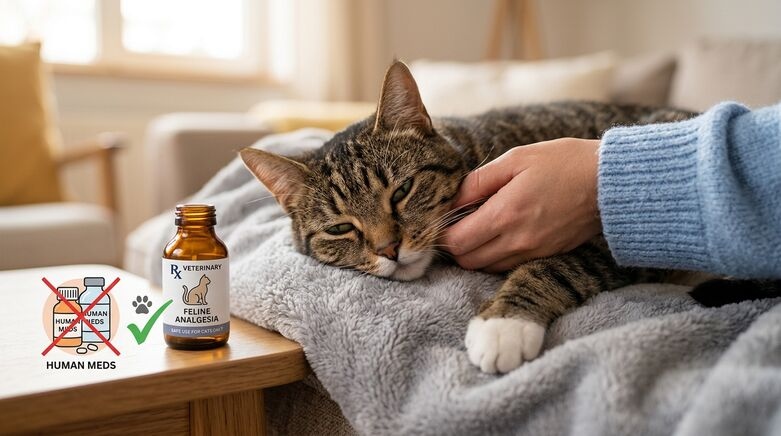
If your cat is hurting, you want to help fast. Pain relief for cats is not as simple as reaching into your medicine cabinet. Cats are not small humans or small dogs. Their bodies process drugs in a very different way. Something that helps you feel better can be deadly for your cat. The good news is there are many safe ways to ease your cat’s pain. This guide walks you through every option, from vet-prescribed medicine to gentle home care, so you can make the best choice for your feline friend.
Cats also hide pain very well. This is a survival instinct left over from their wild ancestors. In the wild, a sick or hurt cat is an easy target. So your cat may be suffering quietly right now without you knowing. That is why learning about safe feline pain management matters so much, even before your cat shows obvious sign
Quick Comparison: Common Cat Pain Relief Options
| Option | Best For | Vet Prescription Needed? | Safe for Long-Term Use? |
|---|---|---|---|
| Meloxicam (NSAID) | Surgery pain, arthritis | Yes | Only short-term or low-dose |
| Buprenorphine (opioid) | Moderate to severe pain | Yes | Short-term mostly |
| Gabapentin | Nerve pain, anxiety | Yes | Yes |
| Solensia (monthly shot) | Chronic arthritis pain | Yes | Yes |
| Joint supplements (omega-3, glucosamine) | Mild joint stiffness | No | Yes |
| Heat therapy | Muscle stiffness | No | Yes |
| Human painkillers (Tylenol, Advil) | Never use these | N/A | Never safe |
Why Cats Need Different Pain Care Than Humans or Dogs
Cats lack certain liver enzymes that humans and dogs have. These enzymes normally break down drugs safely. Without them, many common painkillers build up in a cat’s body instead of leaving it. This buildup turns a small dose into a dangerous one.
This is one reason why cat-safe pain medication is such a narrow list. Vets have to pick from a small group of drugs that cats can actually handle. It also means you should never guess. Always check with a vet first.
Can I Give My Cat Human Pain Medicine?
This is the most important section in this whole guide. Please read it closely.
Tylenol (Acetaminophen) Is Deadly for Cats
Just one regular Tylenol pill can kill a cat. Acetaminophen destroys a cat’s red blood cells and damages the liver. There is no safe dose. If your cat swallows any amount of Tylenol, call your vet or Animal Poison Control at 1-888-426-4435 right away. Do not wait to see if symptoms show up.
Advil, Motrin, and Aleve Are Also Dangerous
These drugs are NSAIDs made for humans. In cats, they can cause:
- Stomach ulcers
- Kidney failure
- Dangerous bleeding
Even a small amount can cause lasting harm.
Aspirin Is Risky Too
Some vets use tiny, carefully measured doses of aspirin for special cases, like blood clot risk. But this is rare and only done under close supervision. Never give aspirin on your own.
Bottom line: Keep your medicine cabinet closed. Human pain pills are one of the top causes of accidental poisoning in cats seen at emergency vet clinics across the US.
Vet-Prescribed Pain Relief Options for Cats
When your vet decides your cat needs medicine, they choose from a short list of options built specifically for feline bodies.
NSAIDs (Anti-Inflammatory Drugs)
Meloxicam (Metacam) is the most common choice. It is FDA-approved as a single injection before surgery. Some vets also prescribe a very low daily dose for cats with arthritis, but only with regular bloodwork to check kidney health.
Robenacoxib (Onsior) is approved for short bursts of pain relief, usually up to three days after surgery. It is sometimes used longer for chronic pain, but always under close watch.
Opioids for Stronger Pain
When pain is more serious, like after major surgery or an injury, vets may use opioids.
Buprenorphine is one of the safest and most-used opioid options for cats. It can be given as a shot at the clinic or rubbed gently t at home. Brand names include Simbadol (a 24-hour shot) and Zorbium (a skin patch that lasts four days).
Tramadol is used less often in cats because it tastes very bitter and the research on how well it works is limited. Vets sometimes mix it into a flavored liquid to make it easier to give.
Nerve Pain and Chronic Pain Medications
Gabapentin was first made for seizures. Now it is widely used for chronic pain, nerve pain, and even cat anxiety at the vet. Most cats tolerate it well, though some get sleepy.
Solensia (frunevetmab) is a newer monthly injection. It targets a pain signal called nerve growth factor. It is a top pick for cats with ongoing arthritis pain and needs no daily pills.
Amantadine and amitriptyline are two more drugs, originally made for other health problems, that vets sometimes add to a pain plan for extra relief.
Steroids: Used With Caution
Steroids like prednisolone reduce swelling and can ease pain that comes from inflammation. They are not usually a first choice for pain alone because long-term use can cause weight gain, diabetes risk, and other issues. Vets tend to save steroids for specific conditions like autoimmune disease or cancer.
Joint Supplements: Gentle Support for Achy Cats
For cats with mild stiffness or early arthritis, supplements can help without the risks of daily medicine.
- Glucosamine and chondroitin support joint cushioning and slow cartilage breakdown.
- Omega-3 fatty acids (fish oil) fight inflammation naturally.
- Green-lipped mussel and turmeric are added ingredients in some joint products with growing research support.
- Adequan is a prescription injectable that works like a stronger version of glucosamine.
Supplements work slowly. Give them weeks, not days, to show results.
Natural and At-Home Comfort Care
Medicine is not the only tool. Many small changes at home can make a big difference in your cat’s comfort.
Warm and Cozy Spaces
A heated cat bed or a warm (not hot) blanket can soothe sore joints, especially in cooler US climates during winter.
Easy Access to Everything
Cats in pain do not want to climb. Keep food, water, and a low-sided litter box on one floor. Add ramps or steps to their favorite window perch or bed.
Gentle Movement
Short, slow, vet-approved movement can help keep joints from getting stiffer. Never force a cat in pain to move.
Weight Management
Extra weight puts more stress on sore joints. A healthy weight, guided by your vet, can lower pain levels over time.
Calm, Quiet Time
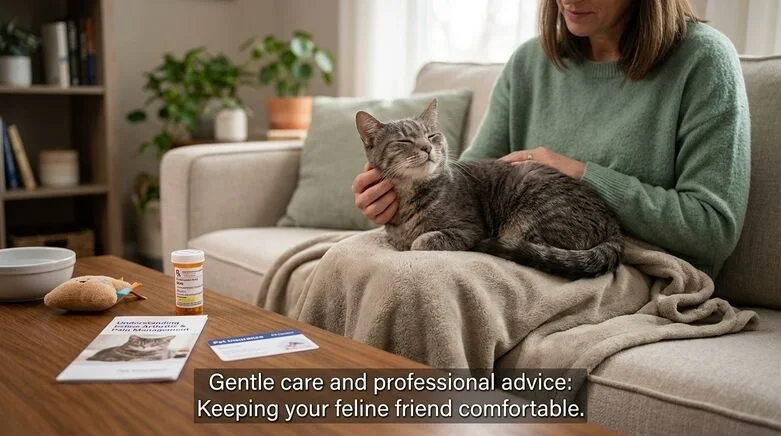
Pain can make cats anxious. A quiet room, a hiding spot, and gentle petting help your cat feel safe while healing.
Acupuncture and Laser Therapy
More US vet clinics now offer feline acupuncture and cold laser therapy. Both are drug-free and can reduce pain and swelling, especially for cats who cannot take daily medicine.
Signs Your Cat Is in Pain
Because cats hide pain so well, watch for these quieter clues:
- Hiding more than usual
- Not jumping onto furniture like before
- Skipping meals or eating less
- Grooming less (a messy, dull coat)
- Growling or hissing when touched in a certain spot
- Sleeping in odd positions
- Sudden crankiness in a normally sweet cat
If you notice two or more of these signs, it is time to call your vet.
When to See a Vet Right Away
Some situations cannot wait. Get emergency care immediately if your cat:
- Cries out or strains in the litter box
- Cannot stand or walk
- Has trouble breathing
- Has a swollen belly
- Bites or yowls when touched anywhere
- Has an open wound or visible injury
Most cities across the US have 24-hour emergency animal hospitals. Save the number for your closest one now, before you need it.
How Much Does Cat Pain Relief Cost in the US?
The cost of cat pain relief depends on several factors, including your cat’s condition, the type of medication prescribed, your location, and your veterinary clinic. Some treatments require a one-time prescription, while others may involve ongoing care or regular follow-up visits.
Building a Full Pain Plan With Your Vet
Most cats do best with a mixed plan, not just one pill. This is called multimodal pain management. A typical plan might combine a prescription medicine, a joint supplement, and a few home comfort changes. Your vet will build this plan around your cat’s age, weight, and health history.
Never stop or change a pain medicine without talking to your vet first, even if your cat seems better. Some drugs need to be lowered slowly.
Final Thoughts
Watching your cat hurt is hard. But you now know the safe path forward. Never use human pain pills. Lean on your vet for the right prescription. Add supplements and cozy home changes to round out the care. With the right plan, most cats bounce back and get back to their happy, playful selves.
FAQS
What is the safest pain relief for cats?
The safest pain relief for cats is medication prescribed by a veterinarian, such as meloxicam (for approved cases), robenacoxib, gabapentin, or Solensia for arthritis. Never give human painkillers like ibuprofen, acetaminophen (Tylenol), or naproxen because they are highly toxic to cats.
Can I give my cat over-the-counter pain medicine?
No. There are no safe over-the-counter (OTC) pain medications made for cats in the United States. Human OTC pain relievers can cause severe illness, organ failure, or death. Always consult your veterinarian before giving any medication.
What can I give my cat for pain at home without seeing a vet?
If your cat is in pain, keep them comfortable by providing a quiet, warm resting place, limiting movement, and ensuring access to fresh water and food. Do not give human medications. Contact a veterinarian as soon as possible for proper diagnosis and treatment.
What is the best pain relief for cats with arthritis?
Cats with arthritis often benefit from prescription treatments such as Solensia injections, NSAIDs approved for cats, gabapentin, weight management, joint supplements, and environmental changes like soft bedding and easy-access litter boxes. Your veterinarian can recommend the best treatment plan.
How can I tell if my cat is in pain?
Common signs include hiding, limping, decreased appetite, difficulty jumping, excessive sleeping, aggression when touched, reduced grooming, unusual vocalization, or changes in litter box habits. Any of these signs warrant a veterinary examination.
Can cats recover from pain without medication?
Minor soreness may improve with rest, but ongoing or severe pain usually requires veterinary treatment. Pain can indicate an underlying condition such as arthritis, injury, dental disease, or infection that should not be ignored.
Hi, I’m Sana Sajid!I’m the voice behind CatsCare.blog, sharing my 10+ years of hands-on cat care experience. With a diploma in animal care, I offer practical tips, trusted advice, and easy-to-follow guides to help keep your cats healthy and happy.
When I’m not writing, I spend time with my own cats or exploring the latest developments in feline health. Follow CatsCare.blog for expert insights and real cat stories!