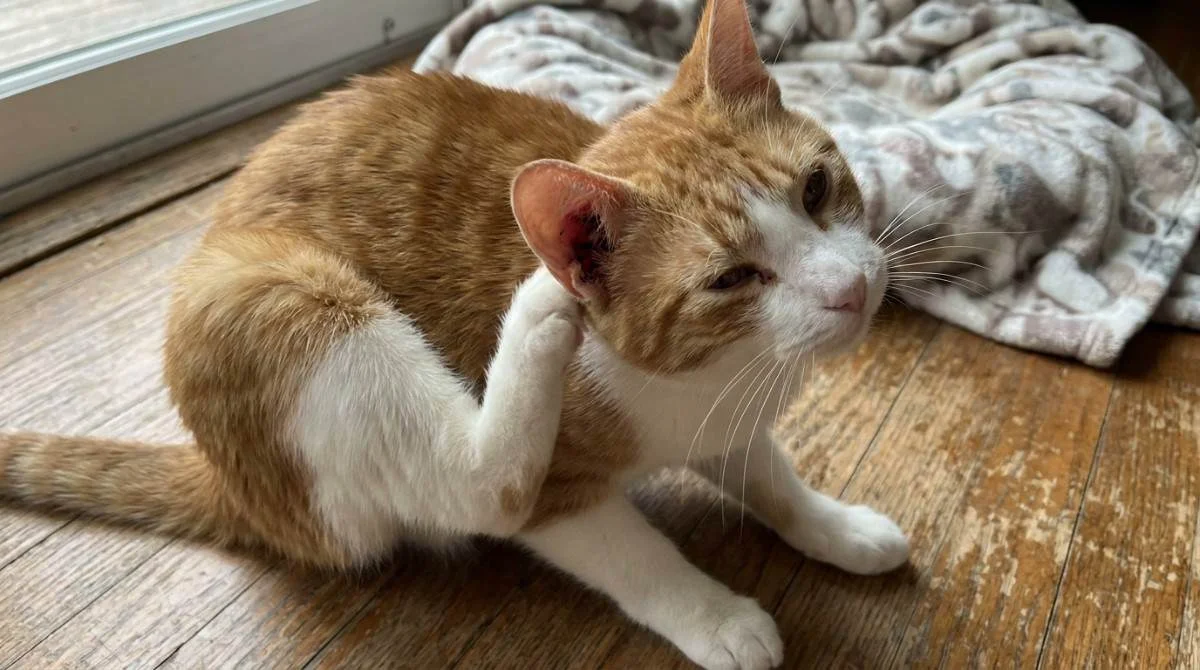
Worried about a cat ear infection? Learn the real signs, causes, and safe treatments plus when to rush to the vet.
Cat Ear Infection
If your cat keeps shaking their head or scratching at their ear, you might be dealing with a cat ear infection. This is a common problem that can make your cat feel itchy, sore, and cranky. The good news is that most ear infections in cats can be treated quickly once you know what to look for. In this guide, you’ll learn the early feline ear infection warning signs, what causes them, how vets in the US diagnose and treat them, and simple steps you can take at home to help your cat heal and stay comfortable.
Cats hide pain well. That’s why many pet parents don’t notice a problem until the ear canal inflammation has already caused real discomfort. Learning the signs early can help you catch trouble before it gets worse.
Cat Ear Infection at a Glance
Here’s a simple table to help you understand the three main types of ear problems in cats.
| Type | Common Cause | What You Might See | How Serious? |
|---|---|---|---|
| Ear Mites | Tiny bugs living in the ear | Dark, crumbly, coffee-ground-like debris | Mild but very itchy |
| Bacterial Infection | Bacteria growing out of control | Yellow or green discharge, bad smell | Moderate to serious |
| Yeast Infection | Yeast overgrowth in a moist ear | Brown, waxy buildup, musty smell | Moderate, often repeats |
What Is a Cat Ear Infection?
A cat ear infection, also called otitis externa by vets, happens when the skin inside your cat’s ear canal becomes red, swollen, and irritated. This swelling creates the perfect home for bacteria and yeast to grow out of control.
Cats have ears shaped a bit like a funnel. Sound travels down a long canal to reach the eardrum. This canal is warm, dark, and can trap moisture. That makes it an easy place for germs to build up if something upsets the natural balance inside the ear.
Most outer ear infections in cats are not emergencies. But if left untreated, they can spread deeper into the ear and cause more serious problems, including balance issues and hearing loss.
Signs Your Cat Might Have an Ear Infection
Cats are experts at hiding pain, so it helps to know the small clues. Watch for these common ear infection symptoms:
- Shaking the head often
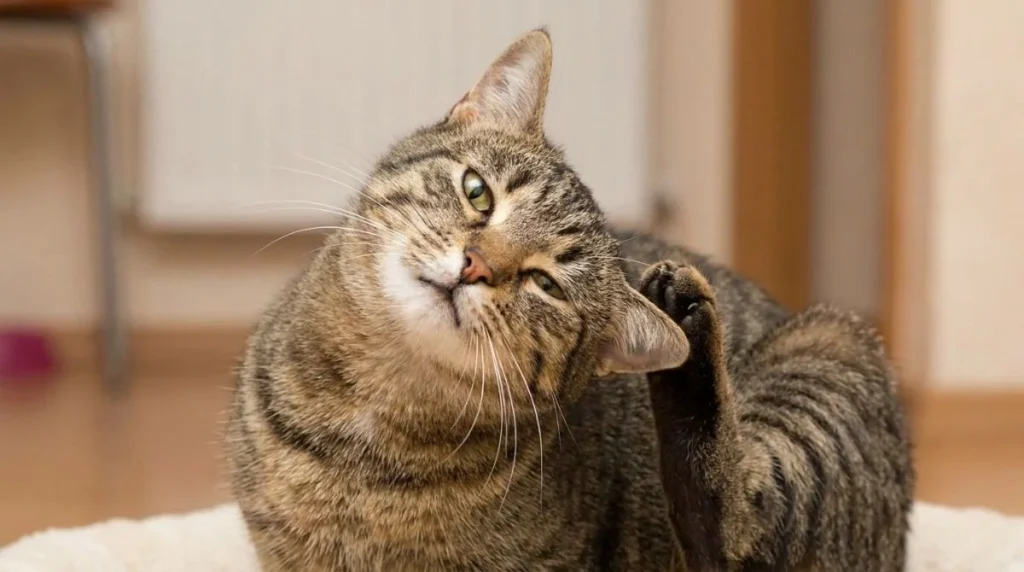
- Scratching or pawing at one or both ears
- Tilting the head to one side
- Dark, waxy, or smelly discharge
- Redness or swelling on the ear flap
- Rubbing the ear against furniture or the floor
- Avoiding being touched near the ears
- Loss of balance in severe cases
If you notice more than one of these signs, it’s time to book a vet visit. Waiting too long can turn a simple problem into a painful one.
What Healthy Cat Ears Look Like
It helps to know what “normal” looks like too. Healthy ears are usually:
- Pale pink on the inside
- Free of strong smell
- Free of dark buildup
- Not sensitive to gentle touching
If your cat’s ears look very different from this, an infection could be the reason.
What Causes Ear Infections in Cats?
Unlike dogs, cats don’t get ear infections as often. When they do, there’s almost always an underlying reason. Common causes include:
Ear Mites
Ear mites are the number one cause of ear problems in kittens and outdoor cats. These tiny parasites live inside the ear canal and cause intense itching. They leave behind a dark, crumbly discharge that looks like coffee grounds.
Allergies
Just like people, cats can have allergic reactions to food, pollen, dust, or mold. These allergies often cause skin irritation, and since the ear canal is lined with skin, it can become inflamed too.
Bacteria and Yeast Overgrowth
Cat ears naturally have small amounts of bacteria and yeast. But when the ear becomes irritated or too moist, these germs can multiply quickly. This is called a secondary infection because something else usually triggers it first.
Ear Shape and Genetics
Some cats, like Scottish Folds, have unusual ear shapes that trap more wax and moisture. This makes them more likely to develop repeated ear infections.
Foreign Objects
Outdoor cats sometimes get grass seeds, dirt, or small debris stuck in their ear canal. This causes irritation that can quickly turn into an infection.
Other Health Conditions
Polyps, tumors, thyroid problems, and immune system diseases can also lead to ear inflammation, though these are less common.
How Vets Diagnose Cat Ear Infections
A trip to the vet is the safest way to find out what’s really going on. Here’s what usually happens during a veterinary ear exam:
- Otoscope Exam — The vet uses a lighted tool called an otoscope to look deep inside the ear canal and check the eardrum.
- Ear Cytology — A cotton swab collects a small sample of debris. The vet looks at it under a microscope to spot mites, bacteria, or yeast.
- Culture Testing — For infections that keep coming back, a lab test can identify the exact type of bacteria so the right medicine is used.
- Imaging — In rare, severe cases, X-rays or a CT scan may be needed to check for growths or deep infection.
This step-by-step process helps your vet choose the safest and most effective treatment, instead of guessing.
Cat Ear Infection Treatment Options
Treatment depends on what’s causing the problem. Never guess and treat it yourself with random products, since the wrong choice can make things worse or hide symptoms without fixing them.
Medicated Ear Drops
Most infections are treated with prescription drops that combine an antibiotic, antifungal, and anti-inflammatory medicine. These are usually given once or twice a day for one to two weeks.
Ear Cleaning
Your vet may show you how to safely clean your cat’s ears at home using a pet-safe cleaner. This helps remove debris so the medicine can work better.
Oral Medication
In more serious or long-lasting cases, your cat may need pills or liquid medicine to fight infection or reduce swelling.
Treating the Root Cause
If allergies are the real problem, your vet may suggest a special diet or allergy testing. Treating the root cause is the only way to stop infections from coming back again and again.
Surgery
Surgery is rare and only used for severe, long-term cases, or when a tumor or growth is blocking the ear canal.
Cat Ear Infection Home Remedy: What’s Safe and What Isn’t
Many pet parents search for a home remedy, but vets strongly advise against treating ear infections without a proper diagnosis first.
Avoid these at home:
- Hydrogen peroxide
- Rubbing alcohol
- Cotton swabs pushed deep into the ear
- Essential oils
- Over-the-counter human ear drops
These can burn sensitive skin, hide symptoms, or even damage hearing.
What you can do safely:
- Use a vet-approved ear cleaner as directed
- Keep the outer ear gently wiped with a soft cloth
- Watch for changes and report them to your vet
- Follow the full course of prescribed medicine, even if your cat seems better early on
How Much Does Cat Ear Infection Treatment Involve?
The treatment needed for a cat ear infection depends on how severe the infection is and what is causing it. Mild cases are often treated with a veterinary examination, ear cleaning, and prescribed medicated ear drops. More serious or recurring infections may require additional diagnostic tests, such as ear cytology, culture testing, or imaging, to identify the underlying cause and guide treatment.
If you’re worried about affordability, many communities have low-cost veterinary clinics and animal welfare organizations that provide reduced-cost exams and treatment. Your local Humane Society chapter is a good place to start when looking for affordable veterinary care.
When to See a Vet Right Away
Most cat ear infections are not emergencies, but some signs mean you should seek care quickly:
- Sudden loss of balance or walking in circles
- Head tilt that won’t go away
- Bleeding from the ear
- Severe swelling of the ear flap
- Your cat seems to be in a lot of pain
- Vomiting along with ear symptoms
If your regular vet is closed, look for an emergency animal hospital or urgent care vet clinic near you. These signs can point to a deeper infection that needs faster treatment.
Can Cat Ear Infections Spread to Other Pets?
Ear mites are contagious and can spread between cats and dogs through close contact. If one pet in your home has ear mites, it’s smart to have all pets checked.
Bacterial and yeast infections, however, are not contagious. Your other pets are safe from these types, even if they share a bed or litter box.
How to Prevent Ear Infections in Cats
You can lower your cat’s risk of future ear problems with a few simple habits:
- Check your cat’s ears weekly for smell, redness, or buildup
- Clean ears only with a vet-approved cleaner, and only when needed
- Keep up with flea and parasite prevention
- Manage known allergies with your vet’s guidance
- Dry your cat’s ears gently after baths
- Schedule regular wellness checkups, especially for outdoor cats
Cats with allergies or unusual ear shapes may need more frequent ear checks, even when they seem healthy.
FAQS
What does a cat ear infection look like?
A cat ear infection usually looks like redness inside the ear, along with dark brown, black, or yellow discharge. The ear may also appear swollen, and you may notice a bad smell coming from it.
Can a cat ear infection go away on its own?
A very mild ear infection may improve with gentle cleaning, but most cat ear infections need prescription treatment from a vet. Without treatment, the infection often gets worse and can spread deeper into the ear.
How do I know if my cat has ear mites or an ear infection?
Ear mites usually cause dark, dry, crumbly discharge that looks like coffee grounds, along with intense itching. A bacterial or yeast infection often causes wetter discharge with a strong odor. A vet exam is the only way to know for sure.
Is a cat ear infection painful?
Ear mites usually cause dark, dry, crumbly discharge that looks like coffee grounds, along with intense itching. A bacterial or yeast infection often causes wetter discharge with a strong odor. A vet exam is the only way to know for sure.
Can I use human ear drops on my cat?
No, human ear drops are not safe for cats and should never be used without a vet’s approval. Some ingredients can be toxic to cats or damage the ear canal.
What happens if a cat’s ear infection is left untreated?
An untreated cat ear infection can spread from the outer ear to the middle and inner ear. This can lead to permanent hearing loss, balance problems, and ongoing pain for your cat.

Hi, I’m Sana Sajid!I’m the voice behind CatsCare.blog, sharing my 10+ years of hands-on cat care experience. With a diploma in animal care, I offer practical tips, trusted advice, and easy-to-follow guides to help keep your cats healthy and happy.
When I’m not writing, I spend time with my own cats or exploring the latest developments in feline health. Follow CatsCare.blog for expert insights and real cat stories!
![A fluffy silver tabby cat with long fur is sprawled out and relaxing on a light-colored sofa, looking towards the camera. [Why Are Cats So Lazy?]](https://catscare.blog/wp-content/uploads/2025/09/why-are-cats-so-lazy.jpg)

![Alt Text: A beautiful Bengal cat with distinct black and brown rosette markings sits alertly against a plain beige background, looking directly at the camera. [Why do bengal Cats have spots]](https://catscare.blog/wp-content/uploads/2025/11/Why-do-bengal-Cats-have-spots.jpg)
![A gray and white cat with striking golden eyes looks intently forward against a blurred background of vertical wooden planks. [Why are Cats called Pussycats]](https://catscare.blog/wp-content/uploads/2025/12/Why-are-Cats-called-Pussycats.jpg)