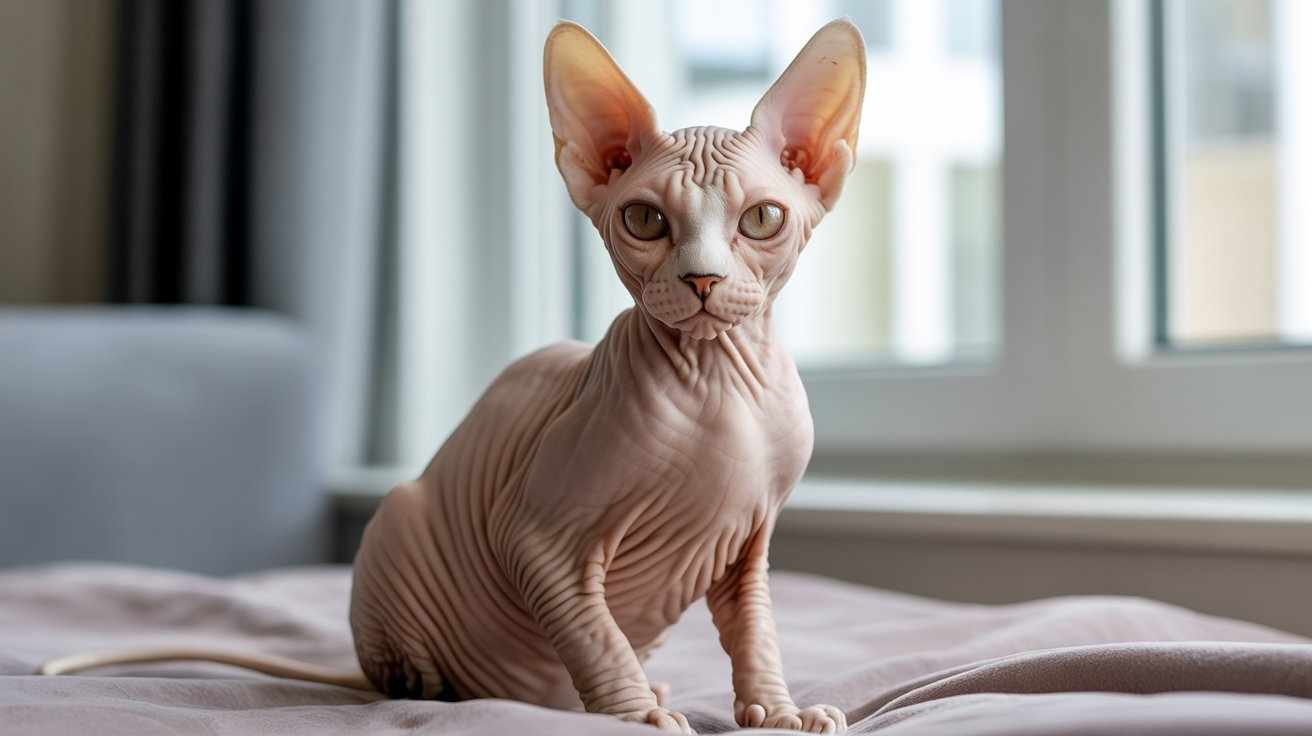
Sphynx Cats so Expensive: 1. Rare breed 2. High demand 3. Grooming needs 4. Health care costs 5. Breeder standards 6. Unique genetics 7. Registration fees.
Sphynx Cats so Expensive
Sphynx cats are instantly recognisable by their hairlessness, large ears, and wrinkled skin. Many people are surprised when they learn how much a Sphynx cat costs compared to other breeds.
The high price is not random. It reflects breeding difficulty, medical care, maintenance needs, and demand.
Below are the real reasons why Sphynx cats are among the most expensive cat breeds in the world.
Quick Overview: Why Sphynx Cats Cost More
| Factor | Why It Increases Cost |
|---|---|
| Rare genetics | Difficult to breed safely |
| Breeder expertise | Requires advanced knowledge |
| Health screening | Expensive medical testing |
| High maintenance | Daily care and hygiene |
| Limited supply | Fewer kittens available |
| Strong demand | Popular and unique breed |
| Ethical breeding costs | Higher standards and care |
1. Rare and Recessive Genetics
The hairless trait in Sphynx cats comes from a recessive genetic mutation. This means:
- Both parents must carry the gene
- Breeding must be carefully planned
- Many pairings do not produce hairless kittens
Responsible breeders invest time and money to ensure kittens are healthy and meet breed standards. Failed or limited litters increase the overall cost per kitten.
2. Complex and Costly Breeding Process
Breeding Sphynx cats is far more complicated than breeding most other cats. These cats are prone to:
- Pregnancy complications
- Smaller litter sizes
- Higher kitten mortality without expert care
Breeders often require veterinary supervision during pregnancy and delivery, which adds significantly to costs.
3. Extensive Health Testing
Sphynx cats are more likely to develop certain genetic conditions, especially hypertrophic cardiomyopathy (HCM). Ethical breeders perform:
- Heart ultrasounds
- Genetic screenings
- Regular veterinary exams
These tests are expensive but essential to produce healthy kittens. Poor breeders who skip testing may sell cheaper kittens, but those cats often develop serious health problems later.
4. High Daily Care and Maintenance
Although Sphynx cats do not need grooming for fur, they require more daily care than most cats.
They need:
- Weekly baths to remove oil buildup
- Frequent ear cleaning
- Nail and skin care
- Temperature control (they get cold easily)
This level of care increases the cost of raising kittens before they are sold.
5. Limited Availability and Small Litters
Sphynx cats are not mass-produced. Responsible breeders limit breeding to protect the cats’ health. As a result:
- There are fewer kittens available
- Waiting lists are common
- Prices rise due to scarcity
High demand and low availability naturally lead to higher prices.
6. Strong Demand and Unique Appearance
Sphynx cats are popular because they are:
- Hypoallergenic for some people
- Extremely affectionate and social
- Visually unique
Celebrities and social media exposure have also increased demand. High demand combined with low availability drives prices higher.
7. Ethical Breeding Standards
Reputable breeders invest heavily in:
- Clean facilities
- Proper nutrition
- Early socialization
- Lifetime support for buyers
They also avoid overbreeding and prioritise the cat’s welfare. Ethical breeding costs more, and that cost is reflected in the final price.
Cost Comparison: Sphynx vs Other Cats
| Breed Type | Average Price Range |
|---|---|
| Domestic shorthair | $50 – $150 |
| Bengal cat | $1,000 – $3,000 |
| Maine Coon | $800 – $2,500 |
| Sphynx cat | $1,500 – $5,000+ |
Prices vary by country, breeder reputation, and kitten quality.
Are Sphynx Cats Worth the Price?
Sphynx cats are ideal for people who:
- Want a highly social companion
- Are prepared for daily care
- Can afford ongoing vet visits
- Enjoy close human-pet bonding
They are not low-maintenance pets, but for the right owner, they are deeply rewarding.
Hidden Costs to Consider
Owning a Sphynx cat also includes:
- Higher heating costs
- Specialized diets
- Skin care products
- Regular veterinary monitoring
These ongoing costs are another reason the breed is considered expensive overall.
FAQs
Q1: Why are Sphynx cats more expensive than furry cats?
Because of rare genetics, medical testing, and high care needs.
Q2: Are cheaper Sphynx cats safe to buy?
Often no. Low prices usually mean poor breeding or missing health checks.
Q3: Do Sphynx cats have more health problems?
They are prone to certain conditions, which is why proper screening matters.
Q4: Are Sphynx cats good for allergies?
They produce less dander, but they are not completely hypoallergenic.
Q5: How long do Sphynx cats live?
With the right care, their lifespan can extend beyond 12–15 years.
Q6: Do Sphynx cats need special food?
Yes, they often need high-calorie, nutrient-rich diets.
Q7: Is adoption possible instead of buying?
Yes, but Sphynx cats are rare in shelters.
Hi, I’m Sana Sajid!I’m the voice behind CatsCare.blog, sharing my 10+ years of hands-on cat care experience. With a diploma in animal care, I offer practical tips, trusted advice, and easy-to-follow guides to help keep your cats healthy and happy.
When I’m not writing, I spend time with my own cats or exploring the latest developments in feline health. Follow CatsCare.blog for expert insights and real cat stories!
![A sleek black cat with bright gold eyes sits on a cobblestone floor in a medieval-looking archway, with shafts of light filtering in. [Why are black cats Dreaded]](https://catscare.blog/wp-content/uploads/2025/12/Why-are-black-cats-Dreaded.jpg)
![A street scene in a Greek village with traditional white and blue buildings, featuring several stray or feral cats, visually answering [Why are there so many Cats in Greece].](https://catscare.blog/wp-content/uploads/2025/12/Why-are-there-so-many-Cats-in-Greece.jpg)
![A tabby cat is captured mid-air, running across a living room rug at night, suggesting high energy, with the text "WHY DO CATS GET ZOOMIES AT NIGHT? 7 SURPRISING REASONS" superimposed. [Why do Cats Get Zoomies at Night]](https://catscare.blog/wp-content/uploads/2025/11/Why-do-Cats-Get-Zoomies-at-Night.jpg)