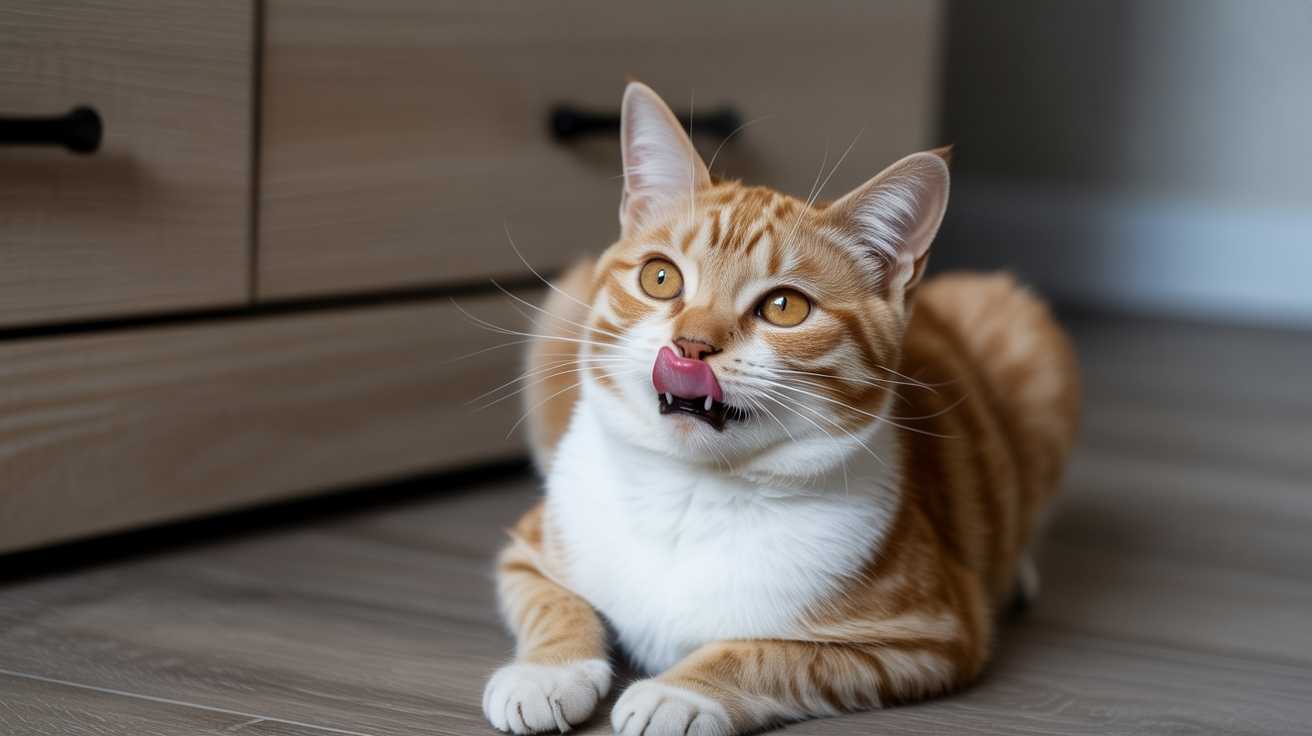
Why your cat Vomits after eating: 1. Eating too fast 2. Food intolerance 3. Hairballs 4. Sudden diet change 5. Gastrointestinal issues 6. Infections 7. Parasites know when to see a vet.
Why Your Cat Vomits After Eating
Watching your cat vomit after eating can be worrying. While occasional vomiting might be harmless, frequent episodes may indicate health issues or dietary problems.
Understanding the common reasons for vomiting helps you take the right steps to keep your cat healthy and happy.
Quick Overview Table
| Reason | What It Means |
|---|---|
| Eating too quickly | Swallowing air and food leads to regurgitation |
| Food intolerance | Sensitivity to certain ingredients or proteins |
| Hairballs | Accumulated hair irritates the stomach |
| Overeating | Stomach overload triggers vomiting |
| Gastrointestinal issues | Infections, inflammation, or parasites |
| Stress or anxiety | Emotional distress can upset digestion |
| Serious health conditions | Kidney, liver, or pancreatic problems |
1. Eating Too Quickly
Cats that eat too fast often swallow air along with food, which can cause vomiting shortly after meals.
Solution: Try using a slow-feed bowl or spreading food across multiple small portions.
2. Food Intolerance or Allergies
Some cats react to specific ingredients, like grains, dairy, or certain proteins. This can lead to stomach upset and vomiting.
Tip: Switch to a hypoallergenic or limited ingredient diet after consulting your vet.
3. Hairballs
Cats groom themselves constantly, ingesting hair that can form hairballs. When hair accumulates, it irritates the stomach and triggers vomiting.
Prevention: Regular brushing, especially for long-haired cats, reduces hair ingestion.
4. Overeating
Cats that overeat or eat too fast may vomit simply because their stomach is overloaded.
Solution: Feed smaller, more frequent meals rather than one large meal a day.
5. Gastrointestinal Issues
Vomiting can indicate GI problems, such as infections, parasites, or inflammation. Persistent vomiting or other symptoms like diarrhea require a veterinary checkup immediately.
![An infographic illustrating the reasons a cat might vomit after eating, featuring a ginger cat sitting next to its food bowl. The text points to "Eating too Fast," "Hairballs," and "Food Sensitivities" as common causes. [Why Your Cat Vomits After Eating]](https://catscare.blog/wp-content/uploads/2025/11/Why-Your-Cat-Vomits-After-Eating--1024x574.jpg)
6. Stress or Anxiety
Cats are sensitive to environmental changes. Moving homes, new pets, or loud noises can cause stress-induced vomiting.
Tip: Maintain a calm feeding environment and provide safe spaces for your cat.
7. Serious Health Conditions
Frequent vomiting may signal kidney, liver, or pancreatic issues, or even hyperthyroidism in older cats.
Action: Visit your veterinarian immediately for proper diagnosis and treatment.
How to Help Your Cat
- Feed smaller, more frequent meals.
- Use slow-feed bowls for cats that eat quickly.
- Regularly brush your cat to reduce hair ingestion.
- Switch foods gradually to identify intolerances.
- Ensure a calm, stress-free environment.
- Schedule regular vet checkups to monitor health.
FAQs
Q1: Is occasional vomiting normal in cats?
Yes, occasional vomiting can happen due to hairballs or eating too fast. Frequent vomiting needs vet attention.
Q2: Can changing cat food reduce vomiting?
Yes, switching to a sensitive stomach or hypoallergenic diet often helps.
Q3: How can I prevent hairball-related vomiting?
Daily brushing and feeding hairball control food can reduce hair ingestion.
Q4: When should I see a vet?
If vomiting occurs frequently, with blood, or is accompanied by lethargy, consult your vet immediately.
Q5: Does stress really cause vomiting in cats?
Yes, stress or sudden changes in the environment can upset a cat’s stomach.
Hi, I’m Sana Sajid!I’m the voice behind CatsCare.blog, sharing my 10+ years of hands-on cat care experience. With a diploma in animal care, I offer practical tips, trusted advice, and easy-to-follow guides to help keep your cats healthy and happy.
When I’m not writing, I spend time with my own cats or exploring the latest developments in feline health. Follow CatsCare.blog for expert insights and real cat stories!