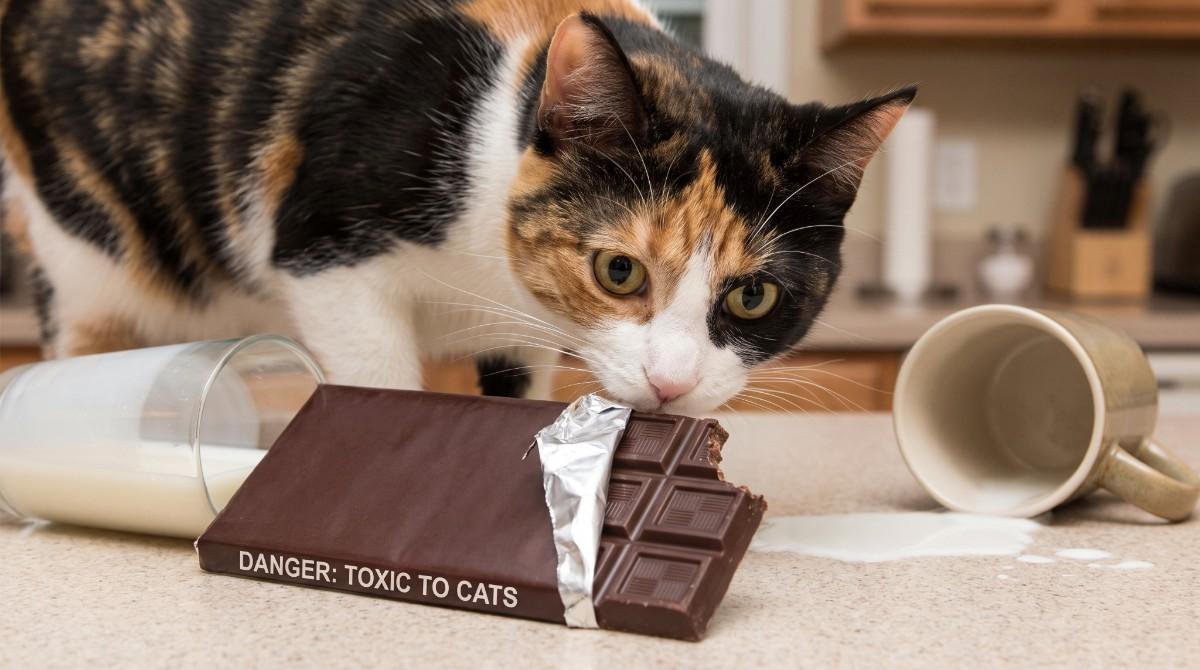
Can cats have chocolate? No it’s toxic, even in small bites. Learn the real risks, symptoms, and what US pet owners must do right now.
Can Cats Have Chocolate?
Your cat just grabbed a piece of chocolate off the counter. Your heart is racing. You’re typing fast: can cats have chocolate? The short answer is no. Chocolate is toxic to cats, and even a small amount can make them very sick. This isn’t just an old pet myth — it’s backed by real science, and vets across the United States see chocolate poisoning cases every year, especially around holidays like Halloween, Christmas, and Valentine’s Day. In this guide, you’ll learn exactly why chocolate is dangerous for cats, how much can hurt them, what symptoms to watch for, and what to do right now if your cat ate chocolate.
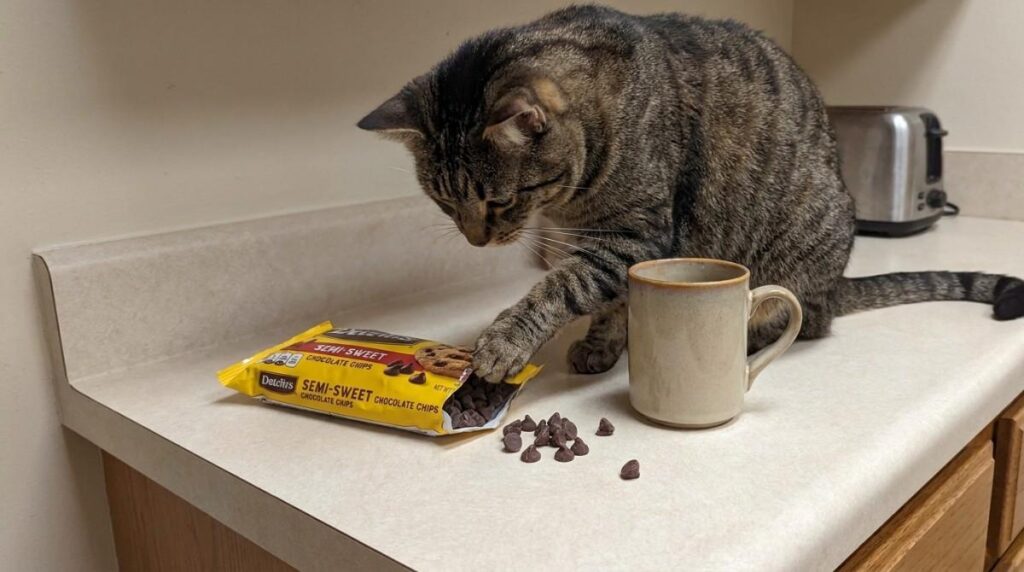
Cats are naturally curious. They sniff, they lick, they nibble. Most cats don’t crave sweets the way dogs do, since cats can’t taste sweetness at all. But some cats are drawn to the smell of milk fat in chocolate, or they knock things off counters just to play. Either way, it only takes a small bite for chocolate toxicity in cats to become an emergency.
Quick Comparison: How Dangerous Is Each Type of Chocolate?
Not all chocolate is equally risky. The darker and more bitter the chocolate, the more theobromine it holds — and theobromine is the main toxic compound that harms cats. Here’s a simple breakdown to help you understand the danger level at a glance.
| Chocolate Type | Danger Level for Cats | Why |
|---|---|---|
| Cocoa powder / baking chocolate | Extreme | Highest amount of theobromine |
| Dark chocolate | High | Very concentrated cocoa |
| Semisweet chocolate | High | Still cocoa-heavy |
| Milk chocolate | Moderate | Less cocoa, but still unsafe |
| White chocolate | Low (but not safe) | Very little theobromine, but high sugar and fat can upset the stomach |
Even the “low danger” option isn’t a green light. No chocolate is truly safe for cats, so the goal is always prevention, not portion control.
Why Is Chocolate Toxic to Cats?
Chocolate comes from cacao beans, and cacao naturally contains two stimulant compounds: theobromine and caffeine. Both belong to a chemical group called methyl xanthines. Humans break these down easily in the liver. Cats cannot.
A cat’s body processes theobromine and caffeine very slowly. Instead of leaving the body, these chemicals build up. That buildup overworks the heart, the nervous system, and the digestive system. This is why even a small amount of chocolate can lead to chocolate poisoning in cats, especially in small or young cats whose bodies are more sensitive.
Why Size Matters
A tiny 6-pound cat needs far less chocolate to reach a dangerous dose than a 15-pound dog. This is one reason chocolate poisoning can look more severe in cats than people expect. Weight, age, and overall health all affect how a cat’s body handles the toxin. Kittens and senior cats tend to be more sensitive, since their organs process toxins more slowly than a healthy adult cat’s.
Do Cats Actually Like the Taste of Chocolate?
Here’s something surprising: cats can’t taste sweetness at all. They’re missing the taste receptor that lets humans and dogs enjoy sugary food. So most cats aren’t drawn to chocolate because it’s “sweet.” Instead, they may be curious about the smell of milk fat, butter, or cream in certain chocolate treats. This is actually good news, since it means most cats won’t go looking for chocolate on purpose. The real danger usually comes from accidents — a dropped candy, an open box of holiday chocolates, or a cat exploring a grocery bag left on the counter.
How Much Chocolate Is Dangerous for a Cat?
There’s no truly “safe” amount, but toxicity does depend on the type and amount eaten. As a general rule:
- A few crumbs of milk chocolate may cause mild stomach upset.
- A small square of dark chocolate or baking chocolate can be enough to cause serious poisoning in an average-sized cat.
- Cocoa powder is the most concentrated and dangerous form, since a small pinch contains a large dose of theobromine.
Because it’s nearly impossible to guess the exact risk at home, any chocolate ingestion should be treated as a reason to call your vet not something to “wait and see.”
Symptoms of Chocolate Poisoning in Cats
Symptoms usually appear within 6 to 12 hours after your cat eats chocolate, though severe signs can take longer to show up. Watch for these warning signs.
Mild Symptoms
- Restlessness or pacing
- Increased thirst
- Mild vomiting or diarrhea
Moderate Symptoms
- Rapid breathing
- Fast or irregular heartbeat
- Muscle tremors
- Excessive drooling
Severe Symptoms
- Seizures
- High body temperature
- Loss of coordination
- Collapse
If your cat shows any moderate or severe symptoms, this is an emergency. Don’t wait to see if it gets better on its own.
What to Do If Your Cat Ate Chocolate
Follow these steps calmly and quickly:
- Stay calm and act fast. Time matters with chocolate toxicity.
- Figure out what and how much they ate. Check the wrapper or packaging if you can. This helps your vet judge the risk.
- Call your vet right away. If it’s after hours, contact an emergency animal hospital.
- Call a poison control hotline if needed. Two trusted national resources for US pet owners are:
- ASPCA Animal Poison Control Center: (888) 426-4435
- Pet Poison Helpline: (855) 764-7661
- Do not try to make your cat vomit at home. This can be unsafe without professional guidance and the right tools.
- Watch your cat closely for the next 24 hours, even if symptoms haven’t appeared yet.
Common Myths About Cats and Chocolate
There’s a lot of confusing advice online. Let’s clear up a few myths.
“A tiny taste won’t hurt.”
Truth: Even small amounts can cause an upset stomach, and larger amounts of dark or baking chocolate can be dangerous even in small cats.
“White chocolate is totally safe.”
Truth: White chocolate has very little theobromine, but it’s still high in fat and sugar. It can cause vomiting, diarrhea, or even pancreas problems in cats who eat a lot of it.
“If my cat seems fine right away, it’s fine.”
Truth: Symptoms can take several hours to appear. A cat that seems normal one hour after eating chocolate can still develop serious symptoms later that same day.
“Only dogs get chocolate poisoning.”
Truth: Cats are actually more sensitive to theobromine per pound of body weight than dogs, even though chocolate poisoning is reported less often in cats simply because cats eat it less.
Chocolate vs. Other Toxic Foods for Cats
Chocolate isn’t the only kitchen item that’s dangerous for cats. Here’s how it compares to a few other common toxic foods:
- Chocolate — toxic due to theobromine and caffeine; darker chocolate is more dangerous
- Onions and garlic — damage red blood cells, even in small cooked amounts
- Grapes and raisins — linked to kidney damage in some pets
- Xylitol (found in sugar-free gum and candy) — causes a dangerous drop in blood sugar
- Alcohol — even small amounts can affect a cat’s brain and liver quickly
Keeping all of these stored safely, not just chocolate, helps protect your cat from accidental poisoning.
Recovery and Outlook
Most cats who receive prompt veterinary care recover fully from chocolate poisoning, often within 24 to 72 hours. The biggest factor in a good outcome is speed — the sooner a cat is treated, the less time the toxins have to build up in the body. Cats with mild symptoms who are treated early may only need supportive care and monitoring. Cats with severe symptoms, like seizures or an irregular heartbeat, need more intensive hospital care but still have a good chance of a full recovery with fast treatment.
How Vets Treat Chocolate Poisoning in Cats
Once at the clinic, a vet may:
- Induce vomiting safely, if it’s still early enough after ingestion
- Give activated charcoal to help absorb leftover toxins
- Provide IV fluids to support the heart and kidneys
- Monitor heart rhythm and manage tremors or seizures with medication
Most cats treated early make a full recovery. That’s why acting fast matters so much.
How to Prevent Chocolate Poisoning at Home
Prevention is simpler than treatment. A few easy habits go a long way:
- Store chocolate in closed cabinets, not on open counters
- Keep baking chocolate and cocoa powder well out of reach, since they’re the most concentrated
- Be extra cautious during holidays like Halloween, Christmas, Easter, and Valentine’s Day, when chocolate is everywhere in the house
- Ask guests to keep purses, bags, or gift boxes with candy off the floor and out of paw’s reach
- Consider a cat-proof pantry lock if your cat is a skilled counter-jumper
High-Risk Times of Year
Chocolate poisoning cases in cats tend to spike during certain times of year in the US:
- Halloween — candy bowls and trick-or-treat bags left within reach
- Thanksgiving and Christmas — baking chocolate, cocoa, and dessert ingredients out on counters
- Valentine’s Day — boxed chocolates, often left unattended as gifts
- Easter — chocolate bunnies and eggs hidden at cat-level height
Marking these dates on your calendar as “extra pet-proofing” days can help you stay one step ahead.
How Vets Diagnose Chocolate Poisoning
If you bring your cat in after a suspected chocolate ingestion, your vet will usually:
- Ask about the type, amount, and timing of what your cat ate
- Check your cat’s heart rate, breathing, and temperature
- Run bloodwork to check organ function if needed
- Watch for the specific pattern of symptoms tied to theobromine and caffeine exposure
Bringing the chocolate wrapper or packaging with you can make this process faster and more accurate, since it tells the vet exactly what type of chocolate was involved.
Safe Treat Alternatives for Cats
Your cat doesn’t need chocolate to feel spoiled. Try these cat-safe snack options instead:
- Small pieces of cooked, plain chicken
- A tiny bit of plain cooked salmon
- Store-bought cat treats made for feline nutrition
- Cat grass or catnip for a fun, safe reward
- Interactive treat toys that turn snack time into playtime
These options satisfy your cat’s curiosity without any of the risk.
Why Can’t Cats Handle Chocolate the Way We Do?
Humans have an enzyme in the liver that breaks down theobromine fairly quickly, usually within a few hours. Cats have very little of this enzyme. Instead of clearing the toxin out, a cat’s body holds onto it far longer sometimes for a full day or more. That’s the core reason a food that’s a harmless treat for us can be a genuine medical emergency for a cat. It’s the same basic idea behind why cats can’t have onions, grapes, or xylitol either: their bodies are simply built to process food differently than ours.
A Simple Chocolate Safety Checklist
Keep this quick checklist handy, especially around holidays:
- ☐ Store all chocolate in a closed cabinet, never on an open counter
- ☐ Keep cocoa powder and baking chocolate on a high shelf
- ☐ Ask family and guests not to leave candy bowls within cat’s reach
- ☐ Save the ASPCA and Pet Poison Helpline numbers in your phone
- ☐ Know your nearest 24-hour emergency vet clinic
- ☐ Watch cats closely during Halloween, Christmas, Valentine’s Day, and Easter
Final Thoughts
So, can cats have chocolate? No not any type, not any amount that’s truly “safe.” Chocolate contains theobromine and caffeine, compounds a cat’s body simply can’t break down quickly enough. The darker the chocolate, the bigger the danger. If your cat ever eats chocolate, don’t guess call your vet or a national poison hotline right away. With fast action, most cats recover fully. With good prevention habits, you may never have to deal with this scare at all.
Can cats have chocolate at all, even in tiny amounts?
No. Even a small amount of chocolate can be harmful to a cat, especially dark chocolate or baking chocolate. There is no truly safe amount, so chocolate should never be given to cats on purpose.
Can cats eat chocolate ice cream or chocolate milk?
A small lick of chocolate-flavored ice cream or milk usually contains less cocoa than solid chocolate, so it’s less likely to cause poisoning. Still, most cats don’t handle dairy well, so it can easily cause an upset stomach.
How long after eating chocolate do symptoms show in cats?
Most cats show symptoms within 6 to 12 hours of eating chocolate. Mild signs like restlessness or vomiting often appear first, while more serious symptoms can take longer to develop.
What type of chocolate is most dangerous for cats?
Baking chocolate and cocoa powder are the most dangerous because they contain the highest amount of theobromine. Dark chocolate is also high-risk, while milk chocolate and white chocolate are somewhat less concentrated but still unsafe.
Should I make my cat vomit if it ate chocolate?
No. Do not try to induce vomiting at home without guidance from a vet or poison control expert. It can be done incorrectly and may cause more harm. Call your vet or a poison hotline first.
Can a small cat die from eating chocolate?
Yes, in severe cases. Because cats process theobromine so slowly, a large enough dose relative to their body weight can lead to seizures, heart problems, or worse. Quick veterinary treatment greatly improves the outcome.
No. Even a small amount of chocolate can be harmful to a cat, especially dark chocolate or baking chocolate. There is no truly safe amount, so chocolate should never be given to cats on purpose.
A small lick of chocolate-flavored ice cream or milk usually contains less cocoa than solid chocolate, so it’s less likely to cause poisoning. Still, most cats don’t handle dairy well, so it can easily cause an upset stomach.
Most cats show symptoms within 6 to 12 hours of eating chocolate. Mild signs like restlessness or vomiting often appear first, while more serious symptoms can take longer to develop.
Baking chocolate and cocoa powder are the most dangerous because they contain the highest amount of theobromine. Dark chocolate is also high-risk, while milk chocolate and white chocolate are somewhat less concentrated but still unsafe.
No. Do not try to induce vomiting at home without guidance from a vet or poison control expert. It can be done incorrectly and may cause more harm. Call your vet or a poison hotline first.
Yes, in severe cases. Because cats process theobromine so slowly, a large enough dose relative to their body weight can lead to seizures, heart problems, or worse. Quick veterinary treatment greatly improves the outcome.

Hi, I’m Sana Sajid!I’m the voice behind CatsCare.blog, sharing my 10+ years of hands-on cat care experience. With a diploma in animal care, I offer practical tips, trusted advice, and easy-to-follow guides to help keep your cats healthy and happy.
When I’m not writing, I spend time with my own cats or exploring the latest developments in feline health. Follow CatsCare.blog for expert insights and real cat stories!
![Alt Text: A beautiful Bengal cat with distinct black and brown rosette markings sits alertly against a plain beige background, looking directly at the camera. [Why do bengal Cats have spots]](https://catscare.blog/wp-content/uploads/2025/11/Why-do-bengal-Cats-have-spots.jpg)