
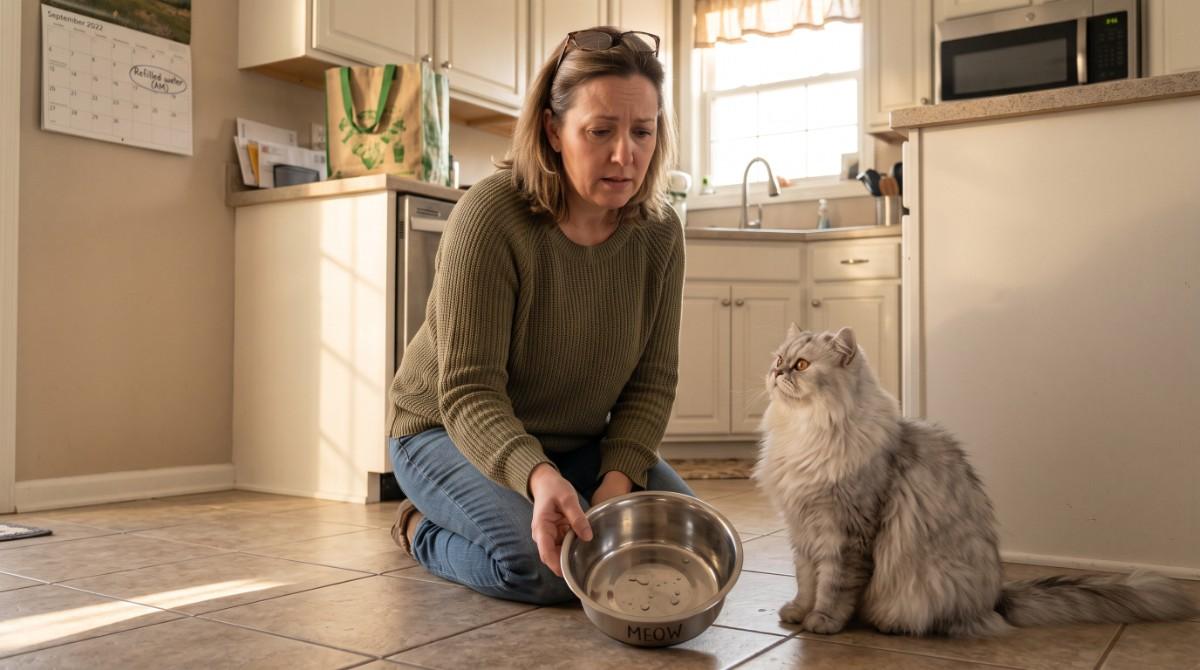
Why is my cat drinking to much water? Learn the normal reasons vs the warning signs, plus when to call your vet fast.
Cat Drinking To Much Water
Have you noticed your cat visiting the water bowl more than usual? If you’re asking yourself why is my cat drinking too much water, you’re not alone. Many cat owners in the United States notice this change and start to worry. Sometimes it’s nothing serious, like a hot day or a new food. Other times, it can be an early sign that your cat needs to see a vet. This guide will help you tell the difference in simple, clear steps.
Cats are quiet drinkers by nature. So when your cat suddenly seems glued to the water bowl, sneaks sips from the sink, or empties their bowl faster than normal, it’s worth paying attention. This kind of change is called increased thirst, or in medical terms, polydipsia. Below, we’ll walk through what’s normal, what’s not, and what to do next.
Normal vs Concerning: Quick Comparison
Use this table to get a fast idea of what you’re dealing with. If you see anything in the “concerning” column, plan a vet visit soon.
| Sign | Usually Normal | Worth a Vet Visit |
|---|---|---|
| Water intake | Slight increase in summer or after play | Sudden, steady increase over days or weeks |
| Litter box | Normal-sized clumps, same frequency | Bigger clumps, more frequent trips, accidents |
| Appetite | Stays about the same | Eating a lot but losing weight, or eating less |
| Energy | Normal playfulness | Tired, hiding, or acting “off” |
| Weight | Stable | Dropping without a diet change |
| Duration | A few days, then back to normal | Lasts more than a week or keeps getting worse |
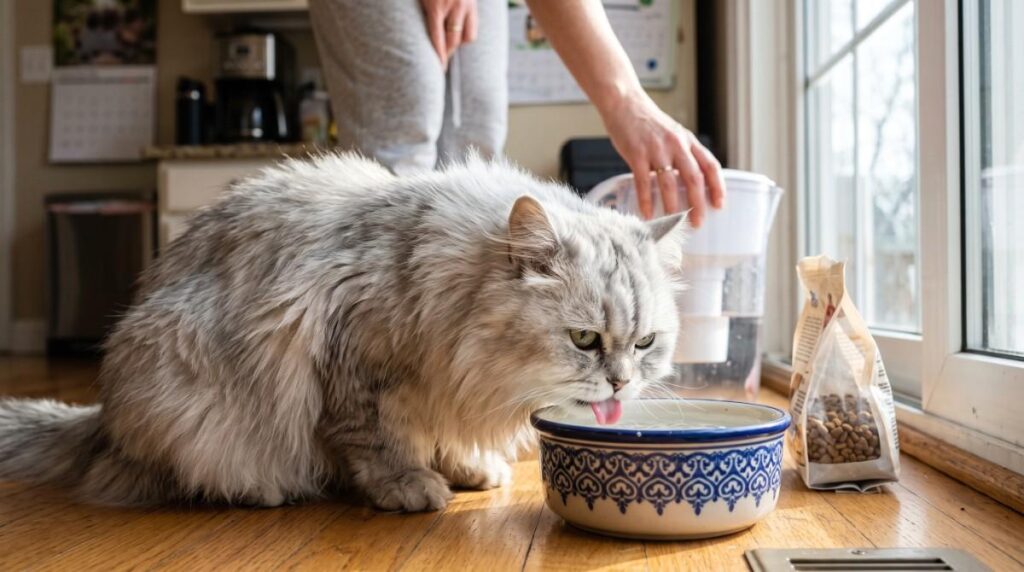
How Much Water Should a Cat Drink Each Day?
Most healthy cats drink about 4 ounces of water for every 5 pounds of body weight each day. That means a 10-pound cat usually drinks around 1 cup of water a day. This number can shift a little based on diet, activity, and the weather.
Cats who eat wet food often drink less water. That’s because canned food already has a lot of moisture in it, sometimes 70 to 80 percent water. Cats who eat only dry kibble tend to drink more, since dry food has just 10 percent moisture or less. Neither is wrong, but it helps to know which type your cat eats when you’re judging their water habits.
A Simple Way to Track Water Intake
You don’t need fancy tools to check your cat’s water intake. Try this:
- Use one bowl and fill it with a measured amount of water each morning.
- The next morning, measure what’s left.
- Subtract to see how much your cat drank.
Do this for three or four days to get a fair average. If you have more than one pet, this step matters even more, since it’s easy to lose track of who’s drinking what.
Common Reasons Cats Drink More Water
Not every case of extra drinking means something is wrong. Here are the everyday reasons your cat’s thirst might go up.
Hot Weather or Indoor Heat
Just like people, cats drink more when it’s warm. Summer heat, or even dry indoor air from heaters in winter, can raise your cat’s thirst. This kind of increase usually fades once the temperature evens out.
A Recent Food Change
Switching from wet food to dry food is one of the most common reasons for a thirstier cat. Even a new brand of kibble or salty treats can nudge your cat’s water intake up. If you changed your cat’s food recently, this may simply explain it.
More Playtime or Activity
An active cat burns more energy and loses more moisture through breathing and grooming. A burst of zoomies or a new toy that gets your cat moving more can lead to extra trips to the water bowl.
Stress or a New Routine
Moving to a new home, adding a new pet, or even rearranging furniture can stress a cat out. Stress sometimes shows up as changes in drinking and litter box habits. A calm, steady routine can help settle this down.
Medical Reasons Your Cat May Be Drinking Too Much Water
If the increase in thirst sticks around for more than a few days, or comes with other changes, it may point to a health condition. Here are the most common medical causes.
Kidney Disease
Kidney disease is one of the top reasons older cats drink more water. The kidneys filter waste from the blood and control how concentrated urine is. As cats age, kidney function can slowly decline. This makes the body flush out more water, so your cat drinks more to keep up. Watch for weight loss, a smaller appetite, or a dull coat alongside the extra thirst.
Diabetes Mellitus
Diabetes happens when a cat’s body can’t manage blood sugar properly. Extra sugar spills into the urine and pulls water along with it, making your cat both thirsty and prone to peeing more. Cats with diabetes often eat well but still lose weight. This condition is more common in overweight, middle-aged cats, especially those on a dry food diet.
Hyperthyroidism
Hyperthyroidism is common in older cats and happens when the thyroid gland makes too much hormone. This speeds up metabolism, drives up thirst and appetite, and often causes weight loss even though the cat is eating more. You might also notice restlessness or more vocal behavior.
Urinary Tract Infections (UTIs)
A UTI can make a cat drink more while also making it painful or urgent to urinate. Cats with a UTI often make frequent trips to the litter box but pass only small amounts each time. This is more common in female cats, but any cat can get one. A straining male cat needs urgent care, since blockages can be life-threatening.
Liver Disease
Liver problems can also cause a cat to drink more water. Watch for yellowing of the eyes, gums, or skin, called jaundice, along with vomiting or a lower appetite. Liver disease can come from infections, toxins, or ongoing inflammation.
Medication Side Effects
Some medicines, including steroids and certain diuretics, can make a cat thirstier as a side effect. If your cat started a new medication recently, ask your vet whether increased thirst is expected. This kind of thirst usually goes back to normal once the medication is finished.
Signs That Mean You Should Call the Vet
Watch for these signs along with the extra drinking:
- Weight loss, even with a normal or bigger appetite
- Tiredness or low energy
- Bigger or more frequent litter box clumps
- Straining to urinate, especially in male cats (this needs urgent care)
- Vomiting or a smaller appetite
- Yellowing of the eyes or gums
- A dull, greasy, or messy-looking coat
If your cat shows any of these signs, don’t wait it out. A same-day or next-day vet visit is the safest choice, especially for a straining male cat, which can be a true emergency.
How Vets Find the Cause
Your vet will start with a physical exam and ask about your cat’s eating, drinking, and litter box habits. From there, they usually run a few simple tests:
- Bloodwork: Checks kidney and liver values, blood sugar, and thyroid levels.
- Urinalysis: Looks for infection, crystals, blood, or how concentrated the urine is.
- Blood pressure check: Common in older cats, since high blood pressure often goes hand in hand with kidney disease.
- X-rays or ultrasound: Used if the vet needs a closer look at the kidneys, bladder, or other organs.
Bringing a fresh urine sample to your appointment, if you can collect one, often speeds up the process.
What Does It Cost to Get This Checked?
Costs vary by clinic and region, but here’s a general idea for the United States:
- A basic vet exam typically runs $50 to $100.
- Bloodwork and urinalysis together often add $150 to $300.
- X-rays or ultrasound, if needed, can add another $200 to $500.
Ongoing care for conditions like diabetes or kidney disease adds monthly costs for food, medication, or monitoring. Pet insurance or a wellness plan can help soften these costs if your cat needs long-term treatment. It’s worth calling your local clinic ahead of time to ask about exam fees, since prices differ by state and city.
How to Help Your Cat Stay Hydrated and Healthy
- Keep bowls clean and full. Refill water daily and wash bowls often, since cats are picky about fresh water.
- Add more than one water spot. Cats often prefer a few options around the house.
- Try a fountain. Many cats drink more from moving water than a still bowl.
- Mix in wet food. Canned food adds moisture that dry kibble doesn’t have.
- Watch the weather. On hot days, place extra water bowls in shaded, cool spots.
- Keep a steady routine. A calm home helps lower stress-related drinking changes.
The Bottom Line
A little extra thirst now and then is often nothing to worry about. Hot weather, a food change, or more playtime can all explain it. But when the increase sticks around, or shows up with weight loss, tiredness, or litter box changes, it’s time to loop in your vet. Cats are experts at hiding illness, so trust your gut. You know your cat’s normal better than anyone, and catching a problem early almost always leads to a better outcome.
Suggested Images for This Article
- Hero image: a cat calmly drinking from a bowl or fountain
- The Normal vs Concerning comparison table, rendered as a clean graphic
- An infographic showing “4 oz water per 5 lbs of body weight” with a visual scale
- A step-by-step graphic for the “track your cat’s water intake” method
- A symptom checklist graphic listing the vet-visit warning signs
- A simple diagram of the vet diagnosis process (exam, bloodwork, urinalysis, imaging)
- A photo of a cat water fountain or multiple water bowl setup
- A friendly closing image of a healthy, hydrated cat relaxing
FAQs
Q1. Is it normal for a cat to drink a lot of water?
A small increase in hot weather or after exercise is usually normal. It becomes a concern if the increase lasts more than a few days or comes with weight loss, tiredness, or litter box changes.
Q2. How much water should a healthy cat drink per day?
Most cats drink about 4 ounces of water for every 5 pounds of body weight. A 10-pound cat typically drinks around 1 cup, or 8 ounces, per day.
Q3. What disease makes cats drink a lot of water?
The most common causes are kidney disease, diabetes, hyperthyroidism, and urinary tract infections. All four can cause a noticeable rise in thirst, often along with other symptoms like weight loss or changes in appetite.
Q4. When should I take my cat to the vet for drinking too much water?
See a vet if the increased thirst lasts more than a few days, or if your cat also shows weight loss, low energy, vomiting, or bigger litter box clumps. A straining male cat needs urgent same-day care.
Q5. Can stress cause a cat to drink more water?
Yes. Moving homes, adding a new pet, or changing routines can raise a cat’s stress level, which sometimes shows up as increased drinking. A calm, steady environment usually helps this settle down within a few days.
Hi, I’m Sana Sajid!I’m the voice behind CatsCare.blog, sharing my 10+ years of hands-on cat care experience. With a diploma in animal care, I offer practical tips, trusted advice, and easy-to-follow guides to help keep your cats healthy and happy.
When I’m not writing, I spend time with my own cats or exploring the latest developments in feline health. Follow CatsCare.blog for expert insights and real cat stories!
![A person's hand is using a slicker brush to groom a short-haired gray cat lying on a wooden floor, with a large pile of shed fur next to the cat. [Why is my Cat shedding in winter]](https://catscare.blog/wp-content/uploads/2025/11/Why-Is-My-Cat-Shedding-in-Winter-.jpg)

![Alt Text: A beautiful Bengal cat with distinct black and brown rosette markings sits alertly against a plain beige background, looking directly at the camera. [Why do bengal Cats have spots]](https://catscare.blog/wp-content/uploads/2025/11/Why-do-bengal-Cats-have-spots.jpg)