
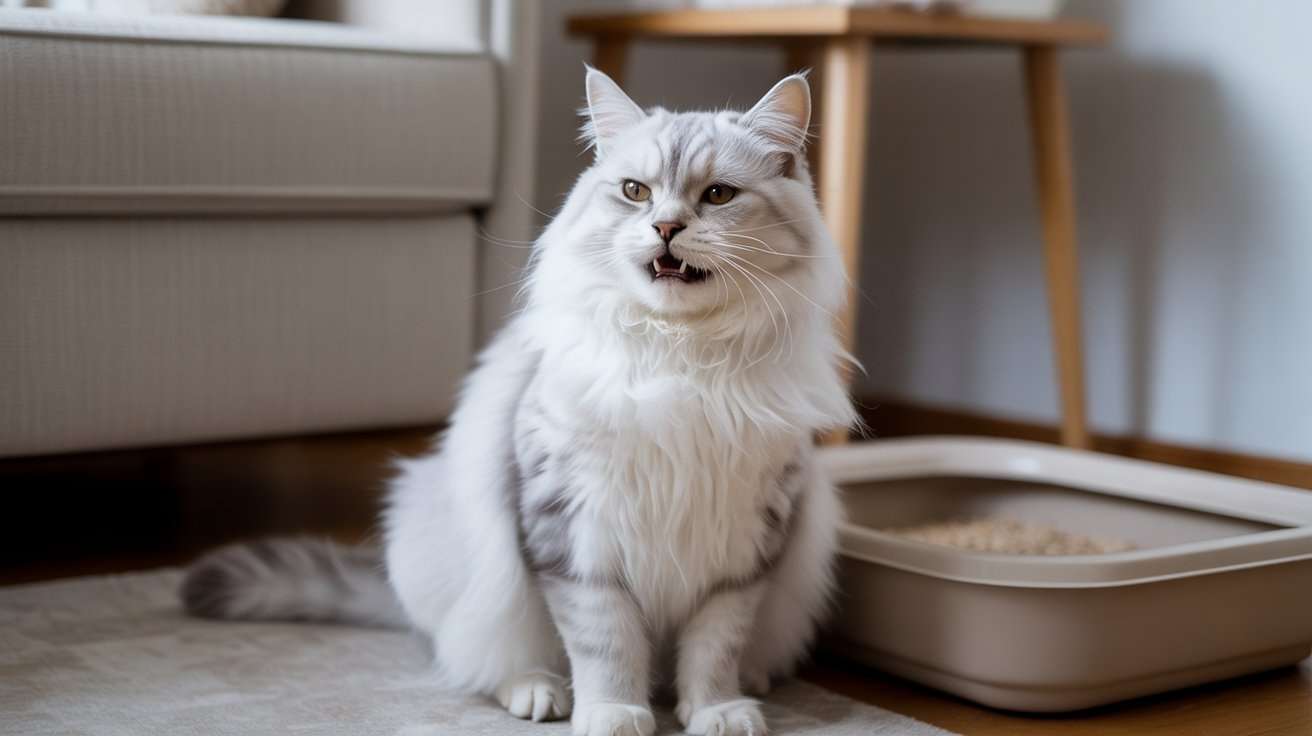
Why Cats Meow After They Poop: 1. Relief 2. Discomfort 3. Territory 4. Attention 5. Litter issue 6. Anxiety 7. Celebration meow moment.
Why Cats Meow After They Poop
If your cat suddenly starts meowing after using the litter box, you’re not alone. Many cat owners notice this unusual behavior and wonder what it means.
While it might seem strange, there are actually several common — and sometimes surprising — reasons why cats do this.
Let’s explore 7 possible reasons why your cat meows after pooping and what you can do about it.
Quick Overview: Why Cats Meow After They Poop
| Reason | What It Means | What You Can Do |
|---|---|---|
| Relief or Satisfaction | Cat feels relaxed after eliminating waste | Normal — no action needed |
| Discomfort or Pain | Possible constipation or stomach issue | Check stool; consult vet if frequent |
| Marking Territory | Instinctive way to claim the area | Keep litter box clean and quiet |
| Seeking Attention | Wants reassurance or praise | Respond gently or offer brief petting |
| Litter Box Issues | Doesn’t like box size, smell, or location | Clean daily; ensure privacy |
| Age-Related Behavior | Confusion or anxiety in older cats | Schedule senior check-up |
| Medical Problems | UTIs, IBD, or anal gland issues | Visit vet immediately if persistent |
1. Relief or Satisfaction
Sometimes, your cat simply feels good after finishing in the litter box.
A quick meow or chirp may be a sign of satisfaction or relief — similar to a content sigh. This behavior is harmless and quite normal.
Tip: If your cat looks relaxed and walks away normally, there’s no reason for concern.
2. Discomfort or Pain
If your cat meows loudly or cries after pooping, it could indicate discomfort.
Common causes include constipation, diarrhea, or intestinal inflammation. Watch for hard, dry stools or straining during defecation.
What to do:
- Ensure your cat stays hydrated
- Add fiber to their diet (with vet approval)
- Visit a vet if the behavior repeats often
3. Marking Territory
Cats are naturally territorial. After using the litter box, they may meow to signal ownership of that space.
In multi-cat households, this behaviour helps establish boundaries without direct conflict.
Tip: Keep multiple litter boxes — one per cat, plus one extra — to reduce territorial stress.
4. Seeking Attention
Some cats meow after pooping simply because they want a reaction.
If you usually respond to the sound — talking to them, cleaning the box immediately, or giving attention — they may associate their meow with your response.
What to do:
- Offer calm acknowledgment or soft praise
- Avoid overreacting, so the habit doesn’t become constant
5. Litter Box Issues
A dirty or uncomfortable litter box can lead to vocal protests. Cats are very clean animals and may meow in frustration after using a box that feels unsuitable.
Common issues include:
- Box too small or shallow
- Strongly scented litter
- Noisy or high-traffic placement
Solution: Scoop daily, use unscented litter, and place the box in a quiet, low-stress location.

6. Age-Related Behaviour
Older cats sometimes develop cognitive dysfunction syndrome (CDS) — similar to dementia.
They may become confused about where they are or what they’ve done, leading to unusual vocalizations after using the litter box.
Tip:
- Keep routines consistent
- Provide extra comfort and reassurance
- Consult a vet for supplements or care plans that support aging cats
7. Medical Problems
If your cat meows, strains, or cries after defecating — and especially if it’s sudden — there may be an underlying medical issue.
Common causes include:
- Urinary tract infections (UTIs)
- Inflammatory bowel disease (IBD)
- Anal gland infections
- Parasites or digestive inflammation
Action: Seek veterinary help promptly. Early diagnosis can prevent severe complications and pain.
How to Help Your Cat
- Keep the litter box clean and private
- Monitor stool consistency and frequency
- Reduce stress in your cat’s environment
- Provide adequate hydration and fiber
- Schedule regular vet check-ups, especially for senior cats
FAQs
Q1: Is it normal for cats to meow after pooping?
Yes, it’s normal if your cat seems happy and healthy.
Q2: Why does my cat cry loudly after pooping?
It could mean pain or constipation — check stool and see a vet if needed.
Q3: Can the litter box location cause this?
Yes. A noisy or bright area can stress cats — choose a quiet spot.
Q4: Do older cats do this more?
Yes. Senior cats often meow due to confusion or discomfort.
Q5: How can I stop it?
Keep the litter box clean, offer calm reassurance, and visit a vet if it continues.
Hi, I’m Sana Sajid!I’m the voice behind CatsCare.blog, sharing my 10+ years of hands-on cat care experience. With a diploma in animal care, I offer practical tips, trusted advice, and easy-to-follow guides to help keep your cats healthy and happy.
When I’m not writing, I spend time with my own cats or exploring the latest developments in feline health. Follow CatsCare.blog for expert insights and real cat stories!
![A tabby cat sits on a patterned rug next to a litter box, looking at a small pile of spilled litter and a wet spot on the wooden floor. [Why cats pee on rugs]](https://catscare.blog/wp-content/uploads/2025/11/Why-cats-pee-on-rugs-.jpg)
This article really helped me understand my cat’s behavior. I didn’t realize that meowing could be a sign of discomfort or even territory marking. Definitely going to monitor her more closely!