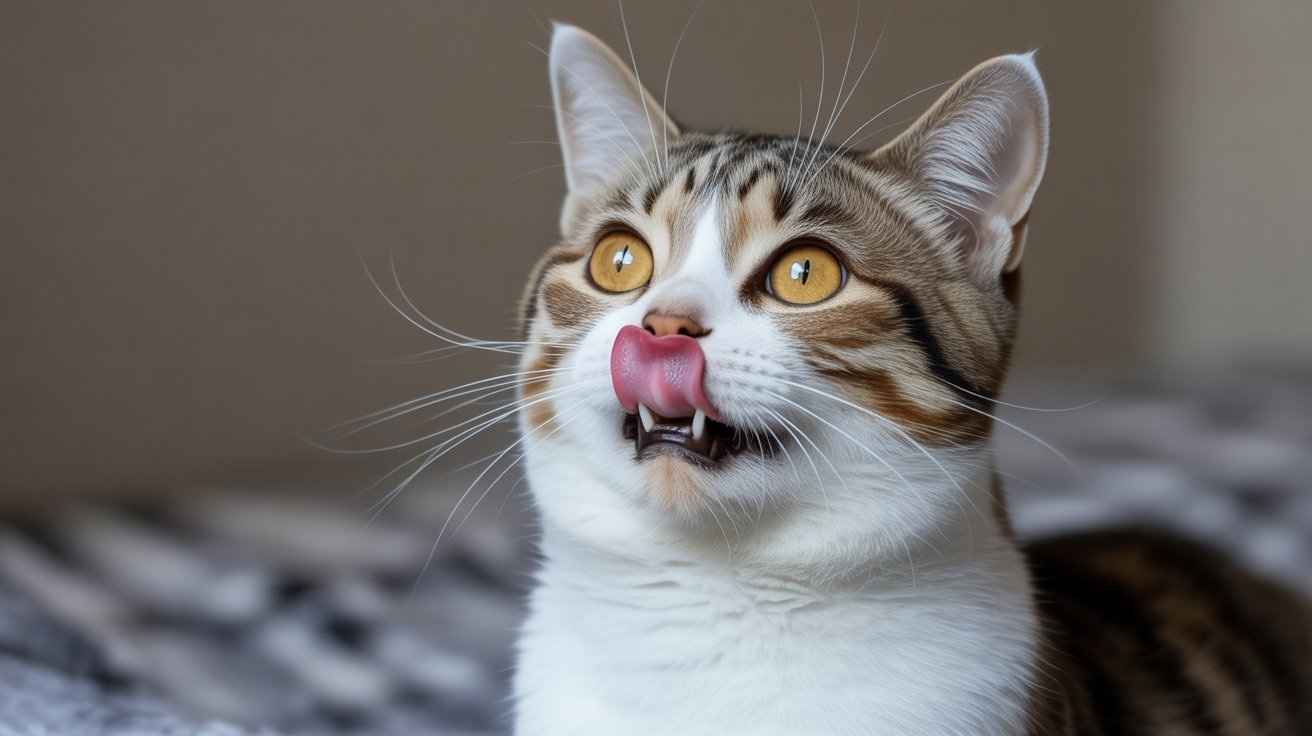
![A side profile of a grey tabby cat with amber eyes, used to illustrate common medical reasons why [My Cat lose his Voice].](https://catscare.blog/wp-content/uploads/2026/01/My-Cat-lose-his-Voice.jpg)
Why My Cat lose his Voice: 1. Upper respiratory infection 2. Laryngitis 3. Excessive meowing 4. Allergies 5. Dehydration or throat irritation.
Why Did my Cat lose his Voice?
If your cat suddenly sounds hoarse or raspy, is very quiet, or stops meowing completely, it can be worrying.
A cat losing its voice usually means something is affecting the throat, vocal cords, or overall health.
Sometimes the cause is mild and temporary, but in other cases, it can signal a problem that needs medical attention.
Understanding the reasons behind voice loss helps you decide when to wait and when to see a vet.
Quick Overview: Common Causes of Voice Loss in Cats
| Cause | What Happens | Serious Level |
|---|---|---|
| Overuse of voice | Vocal cords become strained | Low |
| Upper respiratory infection | Throat becomes inflamed | Medium |
| Laryngitis | Vocal cords swell | Medium |
| Dehydration | Throat dries out | Medium |
| Underlying medical issue | Nerves or throat affected | High |
1. Overuse of the Voice
One of the most common reasons a cat loses its voice is meowing too much. Cats may vocalize excessively due to:
- Stress
- Separation anxiety
- Hunger
- Mating behavior
Constant meowing strains the vocal cords, leading to temporary hoarseness or silence. In most cases, the voice returns after a day or two of rest.
2. Upper Respiratory Infections
Upper respiratory infections are very common in cats and often cause voice changes. These infections inflame the nose, throat, and vocal cords, making meowing painful or difficult.
Signs often include:
- Sneezing
- Runny nose
- Watery eyes
- Low appetite
Cats may try to meow but produce little or no sound. Veterinary treatment is often needed.
3. Laryngitis
Laryngitis is inflammation of the larynx (voice box). It can be caused by:
- Infection
- Irritation from smoke or dust
- Allergies
With laryngitis, the cat’s voice may sound raspy, weak, or completely gone. This condition usually improves once the underlying cause is treated.
4. Dehydration
When a cat is dehydrated, the throat and vocal cords can become dry and irritated, making it hard to produce sound.
Signs of dehydration include:
- Dry gums
- Lethargy
- Reduced appetite
Cats that eat mostly dry food or are ill are more likely to become dehydrated.
5. Underlying Medical Conditions
In some cases, voice loss may be linked to more serious issues, such as:
- Throat tumors
- Nerve damage
- Chronic inflammation
- Dental disease affecting the jaw and throat
If your cat’s voice loss lasts more than a few days or worsens, medical testing may be needed.
Temporary vs Serious Voice Loss
| Sign | Temporary Issue | Serious Issue |
|---|---|---|
| Duration | 1–2 days | More than 3–4 days |
| Appetite | Normal | Reduced |
| Breathing | Normal | Labored or noisy |
| Energy | Normal | Lethargic |
| Other symptoms | None | Sneezing, drooling, pain |
How You Can Help at Home
- Make sure fresh water is always available
- Reduce stress and loud environments
- Avoid smoke, strong scents, or dust
- Encourage rest
Never give human medications to your cat.
When to See the Vet
You should contact a veterinarian if:
- The voice loss lasts longer than 2–3 days
- Your cat stops eating
- Breathing sounds unusual
- Other symptoms appear
Early treatment prevents complications.
FAQs
Q1: Is it normal for cats to lose their voice?
Yes, temporary voice loss can happen, especially after excessive meowing.
Q2: Can stress cause my cat to lose his voice?
Yes, stress can lead to excessive vocalizing and strain.
Q3: Will my cat’s voice come back on its own?
In mild cases, yes. Persistent cases need vet care.
Q4: Can dehydration affect my cat’s voice?
Yes, dehydration can dry and irritate the vocal cords.
Q5: Should I be worried if my cat can’t meow at all?
If it lasts more than a few days or comes with other symptoms, see a vet.

Hi, I’m Sana Sajid!I’m the voice behind CatsCare.blog, sharing my 10+ years of hands-on cat care experience. With a diploma in animal care, I offer practical tips, trusted advice, and easy-to-follow guides to help keep your cats healthy and happy.
When I’m not writing, I spend time with my own cats or exploring the latest developments in feline health. Follow CatsCare.blog for expert insights and real cat stories!

![A gray and white cat with striking golden eyes looks intently forward against a blurred background of vertical wooden planks. [Why are Cats called Pussycats]](https://catscare.blog/wp-content/uploads/2025/12/Why-are-Cats-called-Pussycats.jpg)