![A beautiful tabby cat with amber eyes sitting with its paw up, used to illustrate content discussing the reasons for feline salivation and answering [Why do Cats Drool].](https://catscare.blog/wp-content/uploads/2025/12/Why-do-Cats-Drool.jpg)
Why do Cats Drool? 1. Dental pain 2. Mouth infection 3. Stress or fear 4. Heatstroke 5. Nausea 6. Foreign object 7. Poison exposure.
Why do Cats Drool?
Cats normally do not drool much, so when you suddenly see saliva dripping from your cat’s mouth, it can look worrying. Some issues aren’t serious, but others should be checked quickly.
Understanding why your cat is drooling can help you decide when to relax and when to call the vet. Below are the 7 most common and shocking reasons why cats drool and what each one means.
Do Cats Drool
| Reason | What You’ll Notice | What It Means | What To Do |
|---|---|---|---|
| Relaxation | Soft purring, eyes half closed | Cat is calm and comfortable | Normal behavior |
| Nausea | Drooling + refusing food | Stomach upset or hairball | Watch 24 hrs, vet if continues |
| Dental Pain | Bad breath, pawing mouth | Gum disease or bad tooth | Dental vet check |
| Something Stuck | Pawing mouth, distress | Object irritating mouth | Immediate vet |
| Heat Overload | Panting + drooling | Cat is too hot | Cool cat, vet if no improvement |
| Poisoning | Heavy drool + tremors | Toxic substance eaten | Emergency vet |
| Respiratory Infection | Sneezing + mouth breathing | Nose blocked, hard to breathe | Vet treatment |
1. Happiness & Relaxation
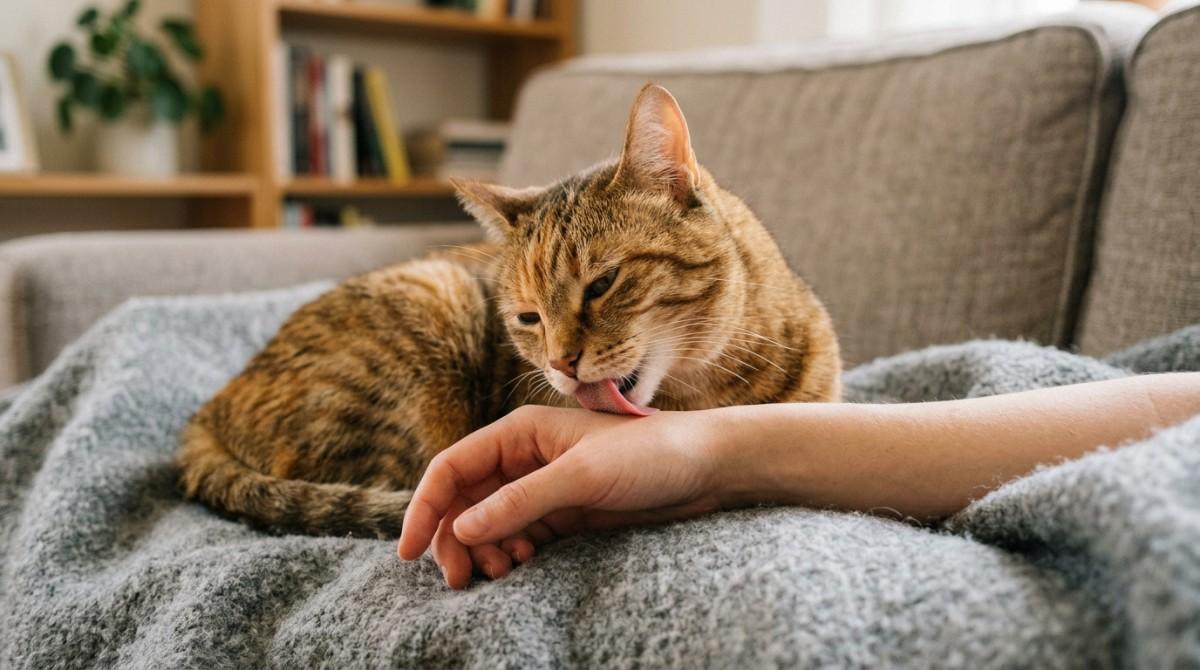
Some cats drool when they are extremely relaxed, safe, or comfortable. This happens because they produce more saliva during deep pleasure moments, especially when:
- Purring
- Kneading
- Sitting on your lap
- Being petted
This type of drooling is harmless. It stops once the cat calms down.
2. Nausea or Stomach Upset
Nausea is one of the most common medical reasons for drooling. Cats may drool because stomach acid rises, making them uncomfortable.
Common causes of nausea include:
- Eating something unusual
- Switching food too fast
- Motion sickness
- Hairballs
If nausea continues for more than 24 hours, a vet check is necessary.
3. Dental Disease (Gum Infection / Bad Teeth)
Dental problems are a major cause of drooling in cats. Issues like gingivitis, tooth infection, broken teeth, or abscesses make the mouth painful and force extra saliva to escape.
Warning signs:
- Bad breath
- Bleeding gums
- Visible tartar
- Difficulty chewing
Untreated dental disease can lead to tooth loss and serious infections.
4. Something Stuck in the Mouth
Strings, bones, grass blades, food pieces, threads, or small toys can get stuck in a cat’s mouth or under the tongue. This irritates the mouth and triggers sudden drooling.
Signs include:
- Pawing at the mouth
- Sudden refusal to eat
- Crying or meowing in pain
If you suspect something is stuck, do not try to pull it out yourself—this can cause injury. A vet must remove it safely.
5. Heatstroke
Cats do not tolerate extreme heat very well. When they overheat, they may pant and drool to cool themselves down.
Heatstroke signs:
- Excessive panting
- Drooling
- Weakness
- Red gums
- Collapse
Move your cat into a cooler spot immediately and get veterinary help.
6. Poisoning or Toxic Plants
Some toxic substances cause instant and heavy drooling. These may include:
- Toxic plants (lilies, aloe, poinsettia)
- Cleaning chemicals
- Human medications
- Insecticides
- Unsafe essential oils
Toxins irritate the mouth and stomach, causing drooling along with vomiting, shaking, or diarrhea. This is always an emergency.
7. Upper Respiratory Infection
Flu-like infections in cats can make them breathe through their mouth because their nose is blocked. Mouth breathing often leads to drooling.
Symptoms:
- Sneezing
- Coughing
- Discharge from eyes/nose
- Fever
- Loss of appetite
Infections need vet treatment such as antibiotics, steam therapy, or supportive care.
When Is Drooling an Emergency?
Seek urgent vet care if drooling is paired with:
- Vomiting
- Bleeding gums
- Trouble breathing
- Sudden weakness
- Foaming at the mouth
- Exposure to toxic plants
- Mouth injuries
These signs indicate a serious condition.
How to Prevent Excess Drooling
- Brush your cat’s teeth regularly
- Avoid toxic plants at home
- Maintain cool temperatures
- Feed high-quality, safe food
- Schedule yearly dental checkups
- Do not let the cat chew plastic, strings, or bones
FAQs
Q1: Is it normal for cats to drool?
Yes, but only when they are relaxed or purring. Continuous drooling is not normal.
Q2: Why does my cat drool when I pet him?
This is usually a sign of comfort and happiness.
Q3: Should I worry if my cat suddenly starts drooling?
Yes. Sudden drooling can mean dental pain, nausea, poisoning, or something stuck in the mouth.
Q4: Can stress cause drooling?
Yes. Anxiety or fear can trigger temporary drooling in some cats.
Q5: When should I take my cat to the vet for drooling?
If drooling is heavy, sudden, persistent, or comes with vomiting, breathing issues, or refusal to eat.
Hi, I’m Sana Sajid!I’m the voice behind CatsCare.blog, sharing my 10+ years of hands-on cat care experience. With a diploma in animal care, I offer practical tips, trusted advice, and easy-to-follow guides to help keep your cats healthy and happy.
When I’m not writing, I spend time with my own cats or exploring the latest developments in feline health. Follow CatsCare.blog for expert insights and real cat stories!