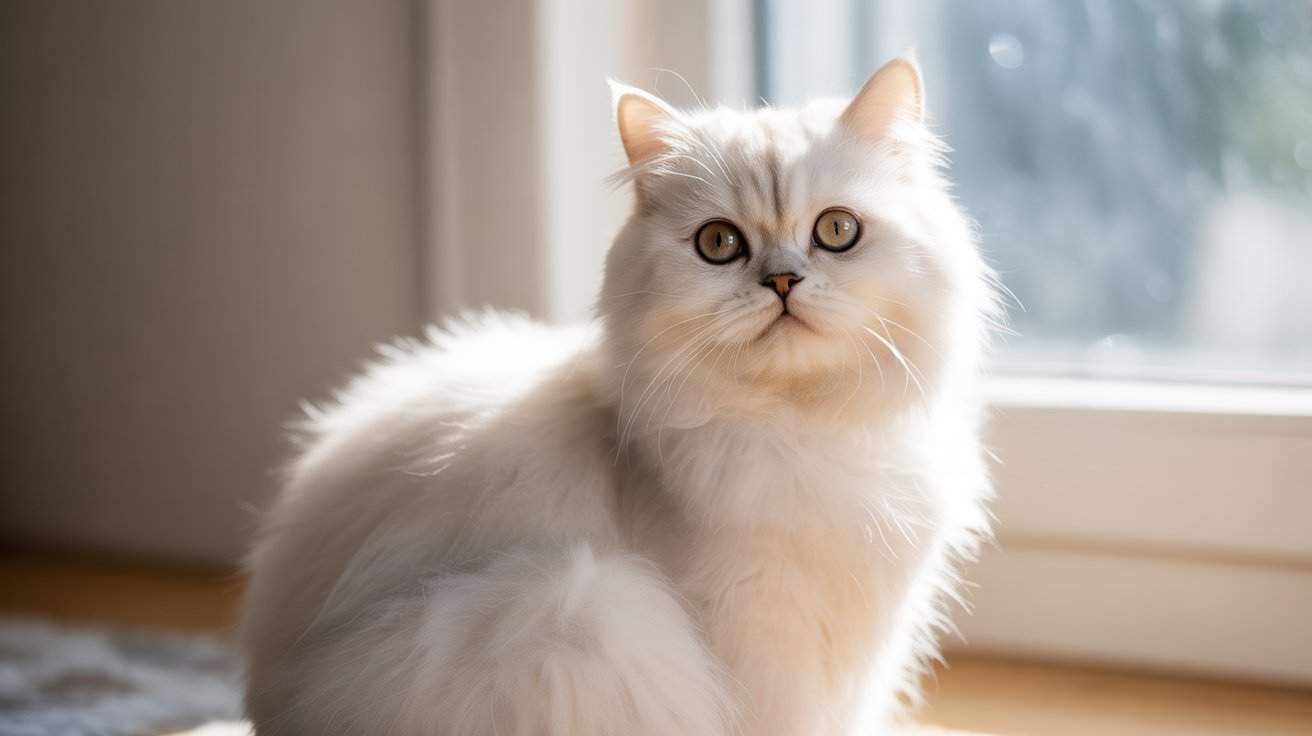
Why cat eye boogers are black: 1. Dust or dirt buildup 2. Tear duct blockage 3. Eye infection 4. Allergies 5. Feline conjunctivitis.
Why Cat Eye Boogers Are Black:
If you’ve noticed black or dark crust around your cat’s eyes, you’re not alone. Many cat owners worry when their pet’s eye discharge appears dirty or dark. While a little debris can be normal, black eye boogers in cats can sometimes signal a deeper issue that shouldn’t be ignored.
This guide explains why cat eye boogers turn black, what’s normal, what’s not, and when to call your vet to keep your cat’s eyes clean and healthy.
What Do Cat Eye Boogers Mean?
| Type of Discharge | Color | Possible Cause |
|---|---|---|
| Clear or watery | Transparent | Allergies or mild irritation |
| Yellow or green | Cloudy or thick | Bacterial or viral infection |
| Brown or black | Dark crust | Dried tears, dirt, or tear duct blockage |
1. Natural Tear Stains and Dried Debris
The most common reason for black eye boogers is simply dried tears. Cat tears contain a natural pigment called porphyrin, which turns dark brown or black when exposed to air.
Over time, this pigment mixes with dust, fur oils, and dirt, forming thick dark crusts near the eyes.
Note: Flat-faced cats (like Persians or Himalayans) often have poor tear drainage, making them more prone to dark tear stains and buildup.
2. Blocked Tear Ducts (Epiphora)
If your cat’s eyes constantly look wet or have dark stains below them, blocked tear ducts might be the cause. When tears can’t drain properly, they spill over and dry on the fur, leaving sticky, black crusts.
Common signs include:
- Constant wetness under the eyes
- Sticky crust or gunk buildup
- Dark or reddish staining on the fur
A vet can flush your cat’s tear ducts to clear the blockage and prevent secondary infections.
3. Eye Infections or Conjunctivitis
If the black discharge looks thick, gooey, or smelly, it may be an infection like conjunctivitis (pink eye). Infections cause inflammation, leading to excessive, darkened discharge when dried.
Symptoms to watch for:
- Swollen, red, or irritated eyes
- Frequent blinking or squinting
- Thick, sticky discharge around one or both eyes
Tip: Always wipe gently using a soft, damp cloth. Avoid rubbing, and if the discharge continues for more than two days, contact your vet immediately.
4. Allergies and Environmental Irritants
Cats can also develop dark eye discharge from allergies triggered by dust, cleaning sprays, pollen, or smoke. The irritation causes excessive tear production, which dries and forms black crusts.
If you suspect allergies:
- Keep your home dust-free and well-ventilated
- Avoid perfumed or chemical-based cleaning products
- Close windows during high-pollen seasons
- Switch to hypoallergenic litter if needed
Reducing irritants can dramatically lessen tear staining and black discharge.
5. Upper Respiratory Infections (URIs)
Viral infections like feline herpesvirus or calicivirus can cause watery eyes, sneezing, and nasal discharge. As the watery discharge dries, it turns black or dark brown around the eyes.
Other symptoms may include:
- Sneezing or nasal congestion
- Lethargy or low appetite
- Watery or crusty eyes
Treatment: Vets may prescribe antiviral medications, eye drops, or antibiotics, depending on the infection. Keeping your cat hydrated, warm, and clean supports faster recovery.
Normal vs. Abnormal Eye Boogers
| Condition | Description | Action Needed |
|---|---|---|
| Light crust in the morning | Normal tear drying | Clean gently with a damp cloth |
| Black crust daily with stains | Tear duct blockage or allergies | Vet check-up recommended |
| Thick, smelly discharge | Infection (Conjunctivitis or URI) | Immediate veterinary attention |
| Constant wet fur under eyes | Poor tear drainage | Medical evaluation needed |
Home Care Tips to Keep Your Cat’s Eyes Clean
- Clean the area daily with a soft, damp cotton pad.
- Use vet-approved wipes for cats with frequent tear stains.
- Never use human eye drops or rough tissue paper.
- Trim long fur near the eyes to prevent buildup.
When to See a Vet Immediately
You should contact your vet if you notice:
- Persistent or excessive black discharge
- Swelling, redness, or visible pain
- Your cat is pawing or rubbing its eyes often
- Crusts are returning even after daily cleaning
Early veterinary care can prevent a minor issue from turning into a painful infection.
FAQs
Q1: Are black eye boogers normal in cats?
A small amount of dark crust is normal, especially after sleep. But if buildup is constant or heavy, a vet visit is best.
Q2: Can diet affect eye discharge?
Yes. Poor nutrition can weaken your cat’s immune system, increasing its risk of infections and eye irritation.
Q3: How should I clean my cat’s eyes?
Use a damp, soft cloth or pet-safe wipes. Wipe outward gently from the inner corner — never rub harshly.
Q4: Why are black boogers more visible on white cats?
Dark tear pigments stand out more on light fur, so even normal discharge is more noticeable.

Hi, I’m Sana Sajid!I’m the voice behind CatsCare.blog, sharing my 10+ years of hands-on cat care experience. With a diploma in animal care, I offer practical tips, trusted advice, and easy-to-follow guides to help keep your cats healthy and happy.
When I’m not writing, I spend time with my own cats or exploring the latest developments in feline health. Follow CatsCare.blog for expert insights and real cat stories!

![A close-up profile of a brown and gray tabby cat with a white chest, highlighting the slit (Henry's pocket) on the outer edge of its ear. [Why Cats Have Slits in Their Ears]](https://catscare.blog/wp-content/uploads/2025/10/why-cats-have-slits-in-their-ears-cats.jpg)


One thought on “5 Concerning Reasons Why Cat Eye Boogers Are Black”