
Why does my cat cough? There are 5 concerning reasons: 1. Hairballs 2. Asthma 3. Allergies 4. Respiratory infection 5. Heart disease.
Why does my cat cough?
If you’ve ever heard your cat coughing, you know how worrying it sounds. Cats don’t usually cough unless something is seriously affecting their lungs or throat.
The cause can be as simple as a hairball or as profound as asthma, infection, or heart disease. Each condition exhibits distinct signs and requires tailored care.
Knowing why your cat coughs helps you act quickly and keep your pet healthy. In this guide, you’ll learn about the five major reasons behind cat coughing and how to help.
Common Reasons Why Cats Cough
| Cause | Main Sign | What to Do |
|---|---|---|
| Hairballs | Hacking or gagging sounds | Daily brushing & hairball remedy |
| Asthma | Wheezing or hard breathing | Vet check & clean air at home |
| Respiratory Infection | Sneezing, nasal discharge | Vet care & rest indoors |
| Heartworm/Lung Parasites | Dry cough, fatigue | Monthly preventives & vet testing |
| Heart Disease | Deep wet cough, weakness | Immediate vet visit & medication |
1. Hairballs – The Most Common but Often Ignored Cause
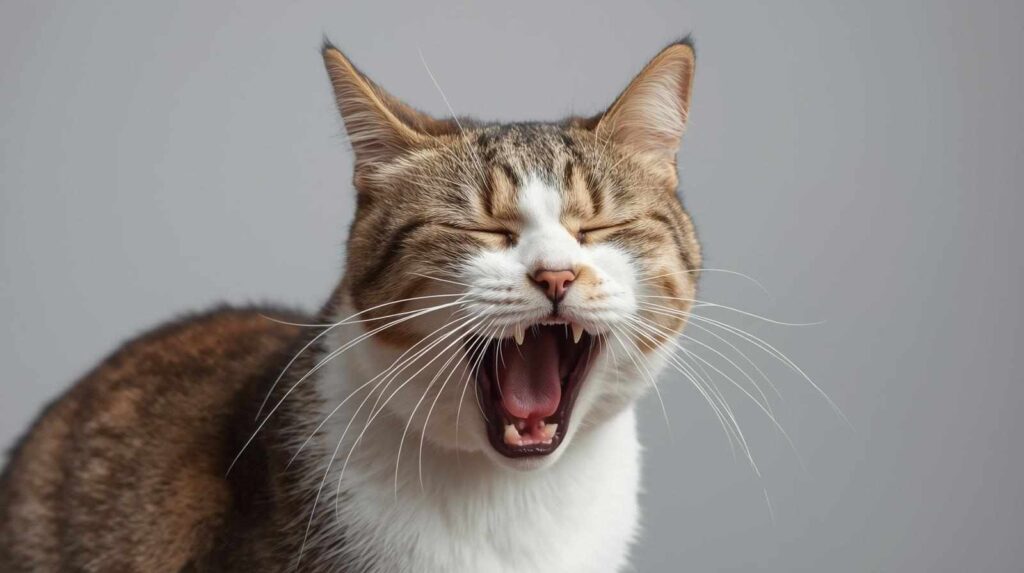
Cats spend hours grooming, and while doing so, they swallow loose fur. That fur can accumulate inside the stomach and irritate the throat, leading to hacking coughs or gagging sounds.
Occasional hairballs are normal, but if your cat is coughing frequently or daily, it may indicate the fur isn’t passing properly through the digestive system.
What to Do:
- Brush your cat every day, especially during shedding season.
- Offer hairball-control food or treats.
- Make sure your cat drinks plenty of water to aid digestion.
- Add a fibre supplement (consult your vet first).
2. Cat Asthma – When Breathing Becomes a Struggle
Feline asthma affects about 1–5% of cats and can cause chronic coughing, wheezing, and laboured breathing.
It’s triggered by dust, smoke, pollen, or scented sprays, which inflame the lungs and narrow airways. You may also notice your cat crouching with its neck extended while coughing.
What to Do:
- Keep the environment smoke-free and clean.
- Avoid perfumed air fresheners or cleaning sprays.
- Use an air purifier to remove allergens.
- See your vet for an inhaler or steroid treatment if symptoms persist.
- Track attacks — note frequency and duration to share with your vet.
3. Respiratory Infections – The Hidden Enemy
Upper respiratory infections in cats can come from viruses (like herpesvirus) or bacteria (like Bordetella).
These infections irritate the throat and lungs, leading to symptoms such as coughing, sneezing, nasal discharge, watery eyes, and fever.
While mild infections may resolve on their own, severe ones can lead to pneumonia if left untreated.
What to Do:
- Keep your cat indoors and warm while recovering.
- Offer soft food and plenty of water.
- If your cat isn’t better after two days, visit the vet.
- Ask your vet about antibiotics, antivirals, or steam therapy for congestion relief.
4. Heartworm or Lung Parasites – Silent Yet Dangerous
Even indoor cats can contract heartworms or lungworms, typically through mosquito bites or exposure to contaminated environments.
These parasites can live in your cat’s lungs and arteries, leading to persistent coughing, difficulty breathing, and fatigue.
What to Do:
- Request annual heartworm testing from your vet.
- Use monthly preventive medications (they’re safe and effective).
- Avoid exposure to mosquito-prone areas.
- If diagnosed, follow your vet’s deworming and lung treatment plan carefully.

5. Heart Disease – When the Heart Affects the Lungs
In cats with heart disease, the heart cannot pump blood effectively, causing fluid buildup in the lungs (called pulmonary oedema). This fluid pressure causes a deep, wet cough, lethargy, and shortness of breath.
It often occurs in older cats or breeds like Maine Coons, Ragdolls, and Persians.
What to Do:
- See a veterinarian immediately if your cat’s breathing is laboured.
- Your vet may perform X-rays or echocardiograms.
- Follow a low-sodium diet and prescribed heart medications.
- Keep activity light — avoid stress or overexertion.
When to See the Vet Immediately
| Warning Sign | Possible Cause | Recommended Action |
|---|---|---|
| Continuous coughing for 24+ hours | Asthma, infection | Schedule a vet visit |
| Open-mouth or rapid breathing | Asthma, fluid in lungs | Emergency visit |
| Coughing during rest or sleep | Heart disease | Urgent examination |
| Blue gums or lips | Oxygen shortage | Emergency vet care |
| Violent coughing or choking | Foreign object | Rush to vet |
Prevention Tips to Keep Your Cat’s Lungs Healthy
- Maintain clean air: Keep your home dust-free and avoid smoking indoors.
- Use air purifiers: They help remove allergens like pollen and mould.
- Feed a balanced diet, which strengthens immunity against infections.
- Regular grooming: Prevents hairballs and fur ingestion.
- Vet visits twice a year: Early detection saves lives.
- Deworming and heartworm prevention: Simple steps that prevent severe lung problems.
- Monitor breathing: If your cat breathes heavily after rest, it’s time for a checkup.
FAQs
1. Is a cat’s cough always severe?
Not always. Occasional hairball coughs are normal. But if it happens often or sounds harsh, it’s time for a vet visit.
2. How can I tell if it’s asthma or hairballs?
Asthma causes wheezing and open-mouth breathing, while hairball coughs are shorter and end with gagging or vomiting fur.
3. My cat coughs after playing — why?
That could be exercise-induced asthma or early heart issues. Keep notes and tell your vet.
4. Can stress cause coughing?
Indirectly, yes. Stress weakens your cat’s immune system, making them more prone to respiratory infections.
5. Should I use a humidifier?
Yes — it keeps the air moist, reducing throat irritation and coughing frequency.

Hi, I’m Sana Sajid!I’m the voice behind CatsCare.blog, sharing my 10+ years of hands-on cat care experience. With a diploma in animal care, I offer practical tips, trusted advice, and easy-to-follow guides to help keep your cats healthy and happy.
When I’m not writing, I spend time with my own cats or exploring the latest developments in feline health. Follow CatsCare.blog for expert insights and real cat stories!



online weed delivery service offering fast and discreet shipping