
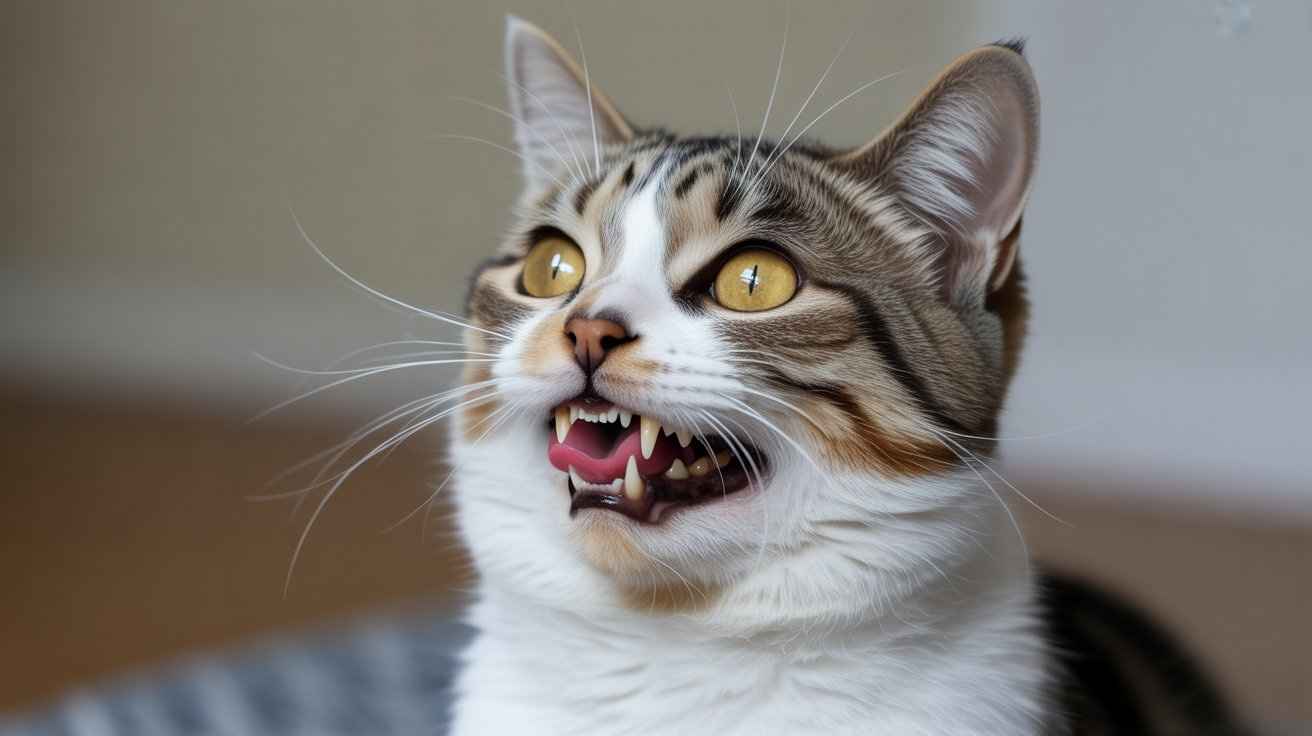
Why are my cat’s teeth yellow? 4 alarming reasons: 1. Plaque 2. Tartar buildup 3. Poor diet 4. Dental disease.
Why are my cat’s teeth yellow?
Your cat’s oral health is a window into their overall well-being. While most owners focus on diet and play, dental care is often overlooked.
If you notice your cat’s teeth turning yellow, it can be a sign of more than just poor hygiene—it may indicate severe dental disease or hidden health issues.
Healthy cats should have white, clean teeth and pink gums. Yellow teeth suggest plaque buildup, tartar, gum infections, or even organ disease.
Left untreated, dental issues can cause chronic pain, tooth loss, infections, and complications in vital organs like the kidneys, heart, and liver.
Quick Overview of Causes of Yellow Teeth in Cats
| Cause | What Happens | Why It Matters | Risk Level |
|---|---|---|---|
| Plaque & Tartar | Food + bacteria stick to teeth | Causes yellowing & gum irritation | Moderate–Severe |
| Poor Diet & Habits | Sticky food, dry kibble, no brushing | Increases buildup & staining | Moderate |
| Gum Disease (Gingivitis) | Bacteria infect gums, turn teeth darker | Leads to tooth loss & pain | Severe |
| Underlying Illness (Systemic) | Kidney, liver disease, or infections | Discoloration + serious health risks | Severe–Critical |
1. Plaque & Tartar Buildup
Cause:
Cats develop plaque within hours of eating. If not brushed away, it hardens into tartar, which looks yellow or brown. Unlike plaque, tartar cannot be removed at home—it requires a professional dental cleaning.
Risks:
- Gum irritation → gingivitis
- Tooth root exposure → tooth loss
- Bacteria spreading to organs → kidney/heart disease
Signs to Watch:

- Yellow/brown coating near the gum line
- Strong bad breath
- Difficulty chewing or dropping food
Solution:
- Daily or weekly brushing with cat-safe toothpaste
- Dental treats & toys that help scrub teeth naturally
- Annual veterinary dental cleanings under anaesthesia
2. Diet & Food Habits
Cause:
Diet has a direct impact on dental health. Cats mainly fed soft, wet, or sticky food are prone to dental plaque buildup. While dry kibble can help scrape teeth, it does not prevent plaque alone.
Risks:
- Food particles ferment, feeding bacteria in the mouth
- Leads to faster tartar buildup and tooth decay
- Unbalanced diets worsen yellowing and bad breath
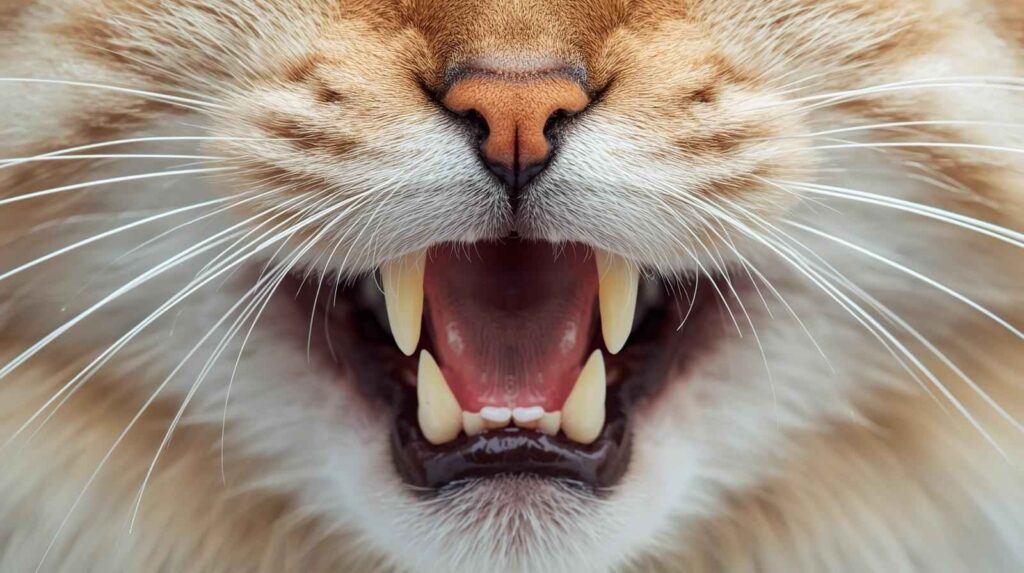
Signs to Watch:
- Yellow teeth, despite being otherwise healthy
- Food stuck between teeth
- Mild gum redness after meals
Solution:
- Balance diet with wet + dry food (wet for hydration, dry for chewing)
- Offer raw bones (vet-approved) for natural cleaning
- Use dental diets recommended by vets for plaque control
3. Gum Disease (Gingivitis & Periodontitis)
Cause:
When plaque and tartar remain, gums become inflamed (gingivitis). If untreated, it progresses to periodontitis, which attacks the tooth roots and jawbone. This is the most common cause of tooth loss in cats.
Risks:
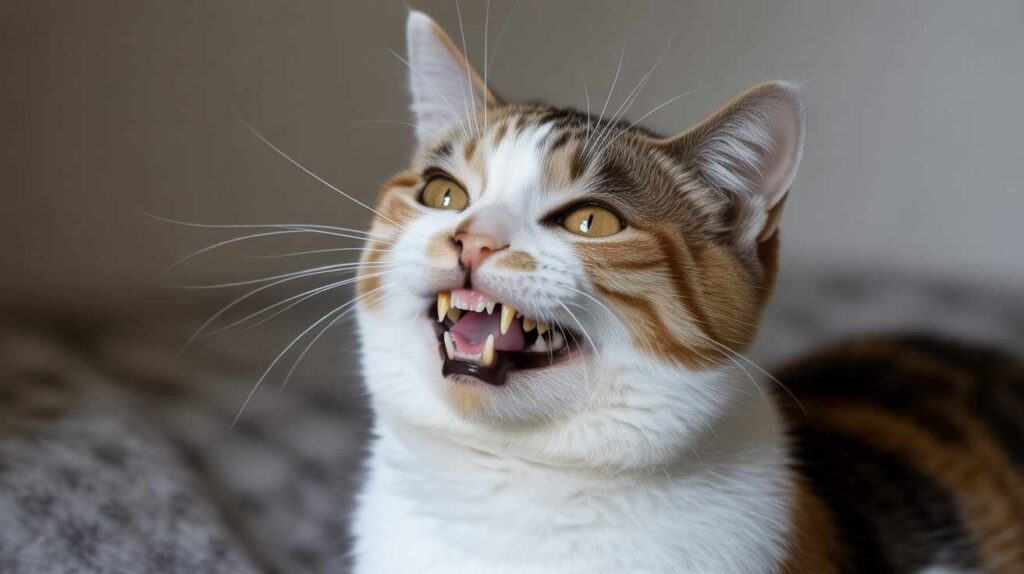
- Painful chewing, reduced appetite
- Infection spreads → heart, kidney, and liver complications
- Can cause abscesses and facial swelling
Signs to Watch:
- Bleeding gums when chewing
- Yellow teeth turning dark brown or black
- Excessive drooling or pawing at the mouth
Solution:
- Veterinary dental cleaning under anaesthesia
- Antibiotics or antiseptic rinses for infections
- Long-term prevention: brushing + dental care products
4. Underlying Illness (Kidney or Liver Disease)
Cause:
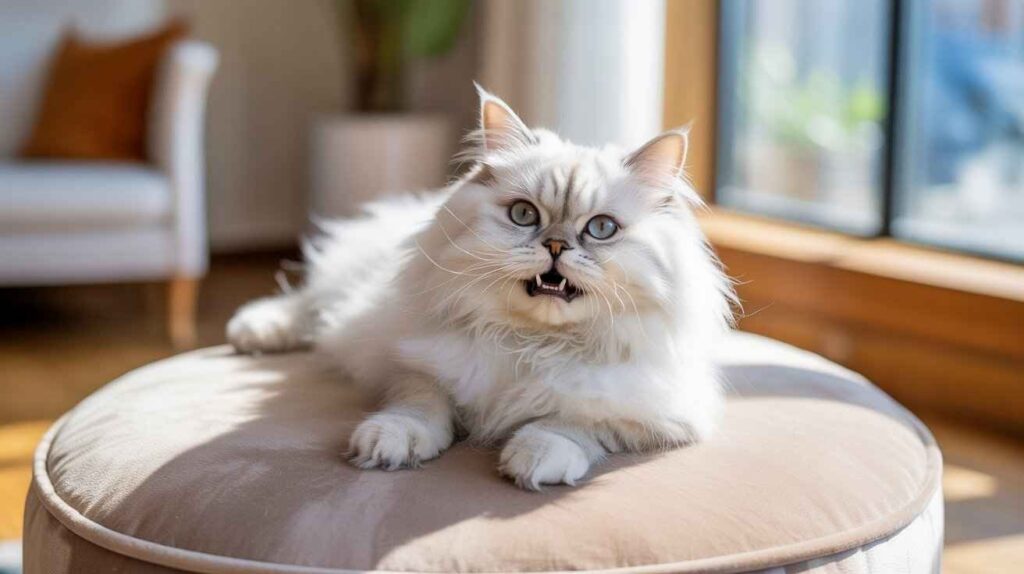
Not all yellow teeth are from poor dental care. Cats with chronic kidney disease, liver disease, or diabetes often show oral changes. Toxins that typically leave the body build up, altering saliva, bacterial growth, and tooth colour.
Risks:
- Ammonia-smelling breath from kidney issues
- Persistent yellow/brown discoloration even with cleaning
- Can mask as “just dirty teeth” when it’s actually a systemic illness
Signs to Watch:
- Weight loss, vomiting, lethargy, and yellow teeth
- Loss of interest in food or grooming
- Gums pale or yellowish (jaundice)
Solution:
- Seek immediate veterinary check-up with blood/urine tests
- Manage underlying illness with medications and diet changes
- Regular dental cleaning + supportive care
Symptoms & Possible Treatments
| Symptom | Likely Cause | What To Do |
|---|---|---|
| Yellow coating near the gums | Plaque/tartar | Brush teeth, vet cleaning, dental chews |
| Red or bleeding gums | Gingivitis/periodontitis | Vet treatment, antibiotics, dental scaling |
| Persistent bad breath (fishy) | Plaque buildup | Brushing, vet exam, cleaning |
| Ammonia-smelling breath | Kidney disease | Blood/urine tests, kidney diet & meds |
| Yellow teeth + weight loss | Liver or systemic illness | Immediate vet care, supportive treatment |
FAQs
Q1. Why are my cat’s teeth yellow at a young age?
This usually means poor dental hygiene or a diet that encourages plaque buildup. It is not normal even for kittens.
Q2. Can yellow cat teeth be cleaned at home?
You can slow plaque with brushing and chews, but tartar must be removed by a vet.
Q3. How often should I brush my cat’s teeth?
Ideally, daily, but even brushing a few times a week makes a big difference.
Q4. Do cats really need dental checkups?
Yes. Most cats over 3 years old develop some form of dental disease without professional care.
Q5. When should I worry about yellow teeth?
If your pet’s yellow teeth are accompanied by bad breath, gum bleeding, weight loss, or changes in appetite, consult a vet immediately.
Hi, I’m Sana Sajid!I’m the voice behind CatsCare.blog, sharing my 10+ years of hands-on cat care experience. With a diploma in animal care, I offer practical tips, trusted advice, and easy-to-follow guides to help keep your cats healthy and happy.
When I’m not writing, I spend time with my own cats or exploring the latest developments in feline health. Follow CatsCare.blog for expert insights and real cat stories!
![A sleek black cat with bright yellow eyes and a white chest patch is lying down in front of a blurred bookshelf filled with books. [Why Black Cats Have Yellow Eyes]](https://catscare.blog/wp-content/uploads/2025/10/Why-Black-Cats-Have-Yellow-Eyes.jpg)

Looking for something new? I gave 22vip1 a try and wasn’t disappointed. Pretty solid setup! Check ’em out for real. 22vip1