
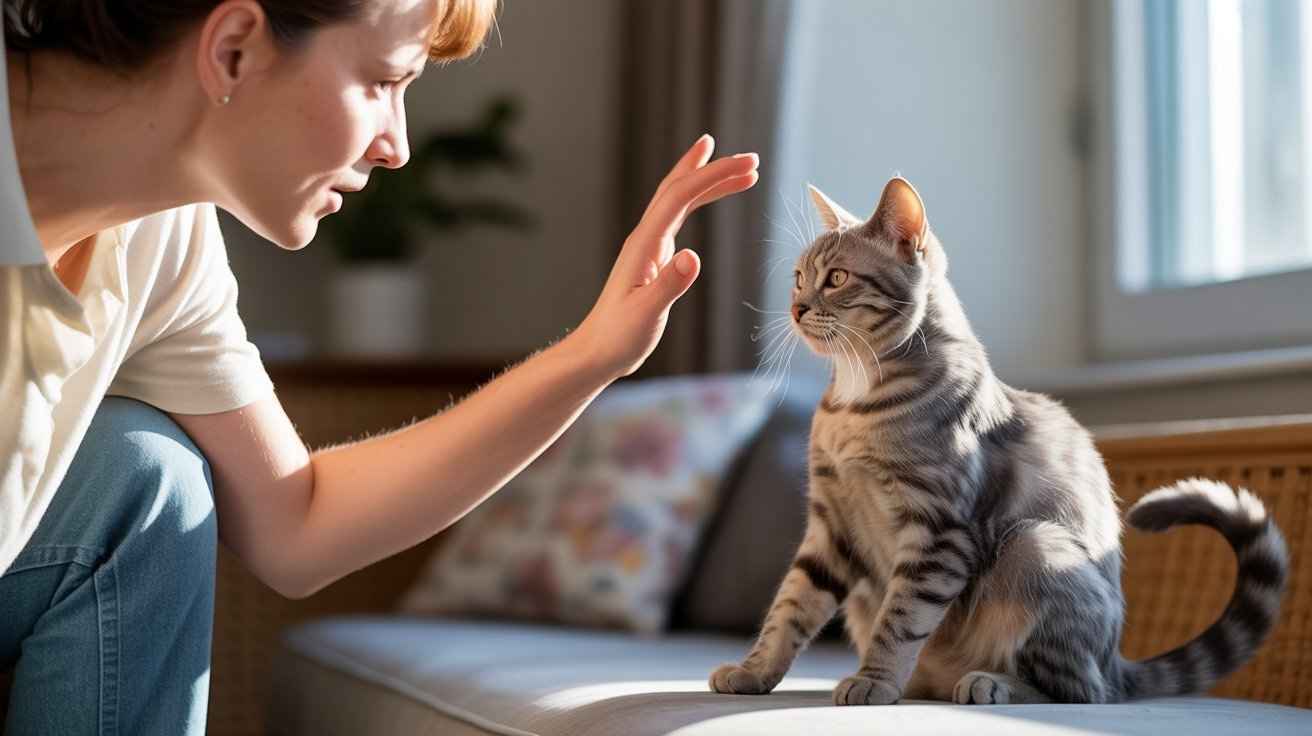
Why Do Cats Hate People: 1. Fear 2. Lack of trust 3. Past trauma 4. Stress 5. Loud noise 6. Mishandling 7. Territory issues.
Why Do Cats Hate People
Many cat owners believe their furry friend “hates” them — avoiding cuddles, running away, or even scratching for no reason.
But the truth is, cats rarely hate people. Instead, they show fear, confusion, or discomfort in ways that humans often misread.
Let’s explore the 7 real reasons why cats seem to hate people and how you can turn that tension into trust.
Why Cats Act Like They Hate People
| Reason | What’s Really Happening | Simple Fix |
|---|---|---|
| Fear or Anxiety | Loud sounds or fast movements scare them | Stay calm and give them space |
| Lack of Trust | Bad past experiences | Rebuild trust with gentle care |
| Overstimulation | Too much touching or petting | Stop when your cat seems irritated |
| Territorial Behavior | Cat feels their space is invaded | Provide private zones |
| Change in Environment | New place or people cause stress | Keep routine steady |
| Wrong Handling | Rough holding or sudden lifting | Handle softly and carefully |
| Health Issues | Pain or illness makes them act out | Visit a vet for a full checkup |
1. Fear and Anxiety
Cats are naturally cautious animals. Sudden noises, fast movements, or strangers can make them anxious.
When scared, they may hide, hiss, or run — not out of hate, but self-protection.
How to help:
Move slowly, speak softly, and avoid chasing or forcing attention. Let your cat come to you when they’re ready.
2. Lack of Trust
A cat that has been scolded, hit, or handled roughly may lose trust in people. Even one bad experience can take time to overcome.
How to rebuild trust:
Spend quiet time in the same room. Offer treats, play gently, and avoid sudden movements.
Over time, your cat will feel safe again.
3. Overstimulation
Cats enjoy gentle petting — but there’s a limit. Too much touching, especially around the tail or belly, can make them irritated.
Signs include tail flicking, twitching skin, or sudden bites after petting.
How to fix it:
Stop petting when your cat shows these signals. Give your cat space to control the amount of affection they receive.
4. Territorial Behavior
Cats value their personal space. If someone enters their sleeping spot or touches their toys, they may feel their territory is being invaded.
How to help:
Give your cat safe, quiet areas where they can rest and eat without disturbance. Respect their private zones.
5. Change in Environment
Cats love routine.
Even small changes like moving furniture, new smells, or a new person in the house can cause stress.
You may notice hiding, reduced appetite, or distant behavior.
How to calm your cat:
Keep the feeding schedule and litter box location the same.
Use familiar toys or blankets that smell like home.
Give your cat time to adjust slowly to new surroundings.
6. Wrong Handling
Many people accidentally make cats uncomfortable by picking them up the wrong way or holding them too tightly.
Cats hate feeling trapped — it makes them panic or lash out.
How to handle properly:
Always support their body from below, lift slowly, and avoid squeezing.
If your cat struggles, let it go. Respecting its freedom builds long-term trust.
7. Health Issues
Sometimes, a cat acts aggressive or distant because it is in pain.
Dental pain, arthritis, skin irritation, or internal illness can make them grumpy or defensive.
What to do:
If your cat suddenly changes behavior, stops eating, or hides more often, visit a veterinarian.
Once treated, your cat’s mood will often improve quickly.
How to Make Your Cat Like You Again
- Speak softly and move slowly around them.
- Avoid forcing hugs or touch — let your cat choose.
- Keep daily routines stable (feeding, playtime, sleep).
- Offer treats during calm interactions.
- Create safe hiding spots and high places to rest.
- Spend time near your cat quietly, so it learns you’re not a threat.
FAQs
Q1: Do cats really hate people?
No, cats don’t hate humans. They react to fear, stress, or discomfort — not emotions like hate.
Q2: Why does my cat dislike certain people?
Cats prefer calm, gentle people who move slowly. Loud voices or sudden gestures can scare them.
Q3: Can cats forgive people?
Yes. With time, patience, and gentle behavior, most cats learn to trust again.
Q4: What should I do if my cat suddenly acts aggressive?
First, rule out pain or illness with a vet check. Then rebuild trust slowly using calm, kind behavior.
Q5: How can I show my cat love without scaring it?
Use a soft tone, slow blinking, and small treats. Sit near your cat quietly and let it approach you.
Hi, I’m Sana Sajid!I’m the voice behind CatsCare.blog, sharing my 10+ years of hands-on cat care experience. With a diploma in animal care, I offer practical tips, trusted advice, and easy-to-follow guides to help keep your cats healthy and happy.
When I’m not writing, I spend time with my own cats or exploring the latest developments in feline health. Follow CatsCare.blog for expert insights and real cat stories!
![A woman sits on the floor of a sunny living room, smiling and petting an orange cat on her lap while two other cats, one gray and white and one gray, sit nearby. [Why are cats attracted to you]](https://catscare.blog/wp-content/uploads/2025/11/Why-are-cats-attracted-to-you.jpg)
5 thoughts on “7 Real Reasons Why Do Cats Hate People”