
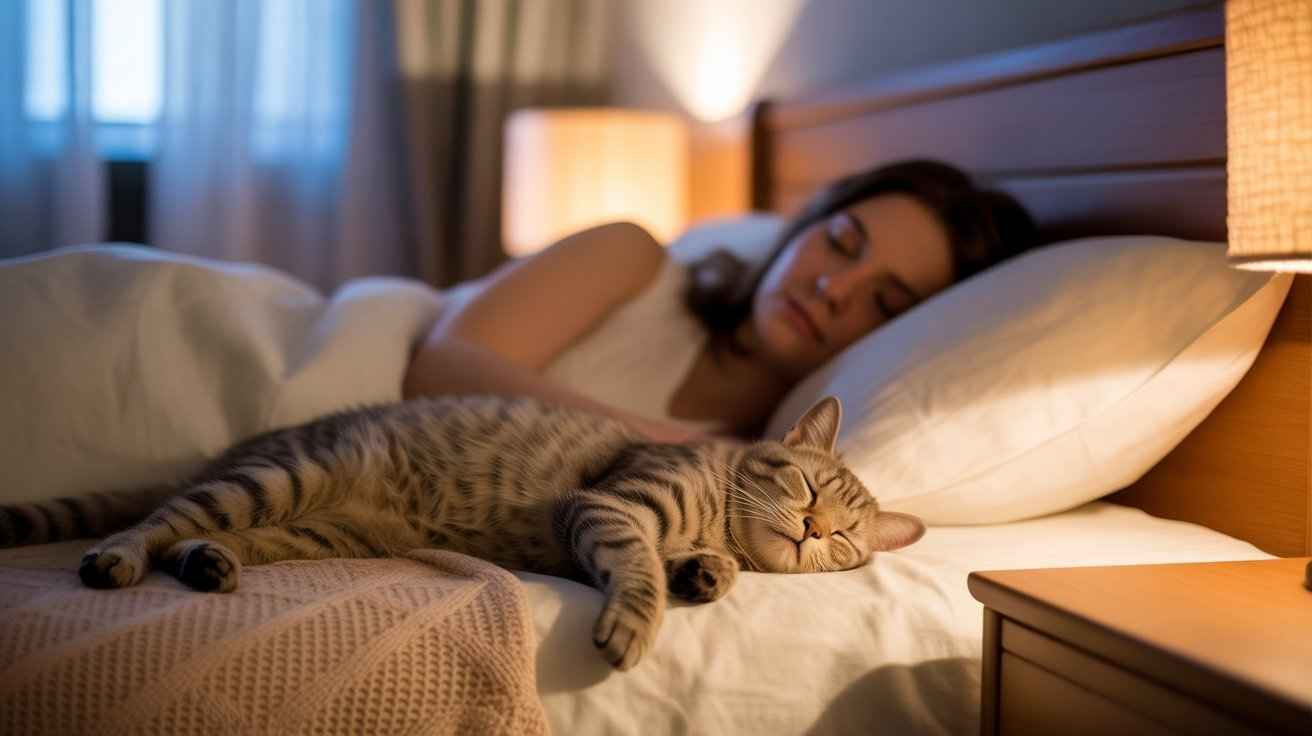
Why did my cat stop sleeping with me: 1. Stress 2. Illness 3. Temperature change 4. Noise 5. New pet 6. Seeking independence.
Why Did My Cat Stop Sleeping With Me
If your cat once curled up next to you every night but now prefers another spot, it can feel confusing or even a little hurtful.
Don’t worry — this doesn’t mean your cat loves you less. Cats are highly sensitive and independent animals, and small changes in comfort, environment, or routine can make them switch sleeping places.
Below, we’ll explain the six most common reasons your cat may have stopped sleeping with you — and how to rebuild that cozy bedtime bond.
Quick Overview Table
| Cause Type | Common Trigger | Simple Solution |
|---|---|---|
| Temperature | Too hot or cold | Adjust room temperature or use a soft blanket |
| Personal Space | Disturbance or noise | Give your cat a quiet bed near yours |
| Health Issues | Pain or arthritis | Schedule a vet visit |
| Stress | Environmental change | Keep a calm, consistent routine |
| Territory | New scent or furniture | Reintroduce familiar smells |
| Comfort | Found new cozy spot | Make your bed more appealing |
1. Temperature Changes Affect Comfort
Cats are experts at seeking warmth and comfort. A change in temperature can easily make them switch sleeping spots.
- During winter, they may prefer blankets, heating pads, or radiator tops.
- In summer, they seek cooler tiles or shaded areas.
If your bedroom becomes too cold, too hot, or too drafty, your cat will naturally move to a more comfortable spot.
How to Fix It:
Keep your room at a comfortable temperature, add a cozy blanket near your bed, or let your cat choose a warm corner beside you instead of on you.
2. Your Cat Needs Personal Space
Cats love companionship but also value independence. Even the most affectionate cat sometimes wants quiet, uninterrupted rest.
Your cat might move away if:
- You toss and turn a lot at night.
- You snore or move your arms while sleeping.
- There’s bright light or noise from a phone or TV.
What You Can Do:
Offer your cat a separate but nearby bed or soft cushion close to yours. This way, they feel connected but can rest peacefully.
3. Health or Pain Issues
A sudden change in where your cat sleeps could signal discomfort.
Conditions like arthritis, joint pain, or muscle strain can make jumping onto a bed painful.
Watch for Signs:
- Limping or stiffness
- Less grooming or hiding
- Reduced appetite or playfulness
If you notice any of these symptoms, schedule a vet visit. Once your cat feels better, they may return to their usual sleeping spot.

Common Causes and Fixes
| Reason | Possible Cause | What You Can Do |
|---|---|---|
| Temperature Change | Room too hot or cold | Adjust temperature, offer a blanket |
| Movement/Noise | You move or snore | Provide a quiet sleeping space |
| Health Problems | Pain or stiffness | Visit the vet |
| Emotional Distance | Stress or anxiety | Spend calm bonding time |
| Territory Change | New pet or detergent scent | Wash bedding, add familiar smells |
4. Stress or Environmental Changes
Cats are very sensitive to changes in their surroundings. Even small adjustments can affect their comfort and behaviour.
Possible Stress Triggers:
- A new pet or family member
- Rearranged furniture or new bedding
- Strange smells or sounds
- Change in your schedule
When cats feel insecure, they look for a place that feels safe. Sometimes that means moving away from your bed.
Solution:
Stick to a consistent routine for feeding and bedtime. Use calming pheromone sprays like Feliway to reduce anxiety and rebuild trust. Spending quiet time together before bed also helps.
5. Change in Territory or Bedding Smell
Cats identify their safe spaces through scent. If you’ve changed detergent, perfume, or sheets recently, your bed might smell unfamiliar — and to a cat, that can be unsettling.
Try This:
- Wash bedding with a mild, unscented detergent.
- Gently rub a soft cloth on your cat’s fur, then place it on your bed.
This transfers your cat’s scent back onto your bedding, helping them recognize it as part of their safe territory again.
6. Your Cat Found a Better Spot
Sometimes the reason is simple — your cat just found a new favorite spot. It could be warmer, quieter, darker, or more private.
Cats rotate sleeping spots as part of their natural instinct to stay secure and comfortable.
If your cat still seeks affection, plays with you, and shows no signs of illness, there’s no need to worry. This behavior is perfectly normal.
What You Can Do:
Notice where your cat likes to nap now. You can make that spot more comfortable — or make your bed more appealing by adding one of their favorite blankets or toys.
How to Encourage Your Cat to Sleep With You Again
If you miss having your cat by your side, you can gently encourage the habit to return:
- Make your bed cosy and warm.
- Avoid sudden movements or loud noises at night.
- Keep your sleeping area calm and familiar.
- Offer treats or gentle pets when they rest near you.
Over time, your cat will associate your bed with comfort and safety again.
FAQs
Q1: Does this mean my cat doesn’t love me anymore?
No. Cats often change sleeping spots for comfort or environmental reasons, not because of affection loss.
Q2: How can I get my cat to sleep with me again?
Reduce noise, adjust lighting, and place a soft blanket or your cat’s favourite bed near you.
Q3: Is it normal for cats to change sleeping places often?
Yes. Cats naturally rotate sleeping spots to feel secure and regulate body temperature.
Q4: My cat suddenly stopped sleeping with me — should I worry?
Only if this change comes with other signs like hiding, limping, or eating less. Otherwise, it’s normal.
Q5: How long until my cat returns to my bed?
Once your cat feels safe, healthy, and comfortable, it may take a few days to a few weeks to return.
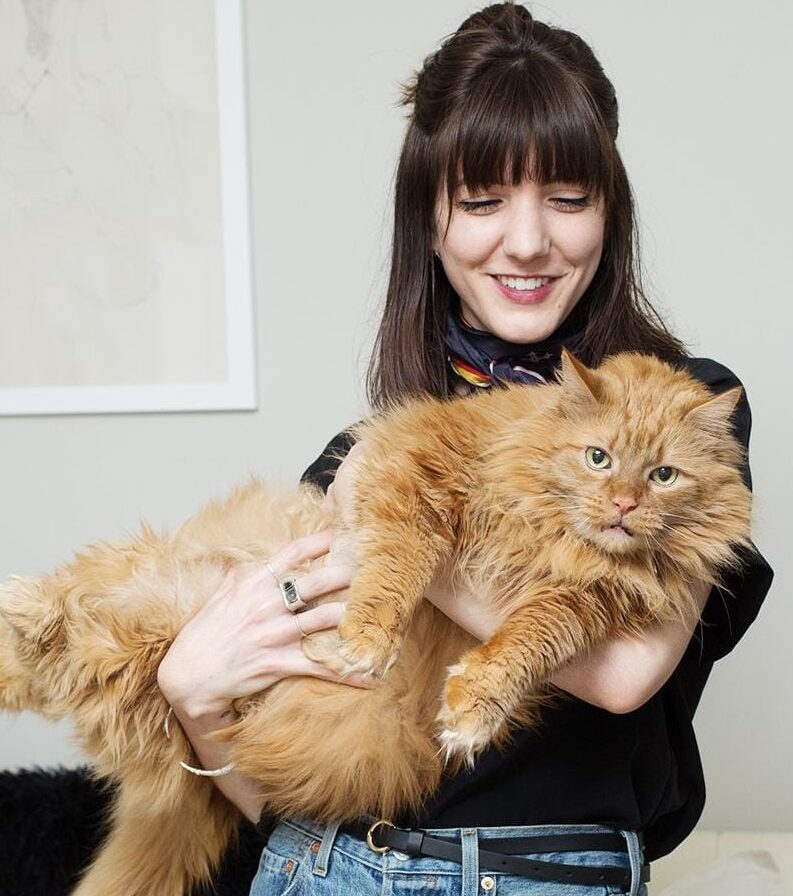
Hi, I’m Sana Sajid!I’m the voice behind CatsCare.blog, sharing my 10+ years of hands-on cat care experience. With a diploma in animal care, I offer practical tips, trusted advice, and easy-to-follow guides to help keep your cats healthy and happy.
When I’m not writing, I spend time with my own cats or exploring the latest developments in feline health. Follow CatsCare.blog for expert insights and real cat stories!


![A woman sits on the floor of a sunny living room, smiling and petting an orange cat on her lap while two other cats, one gray and white and one gray, sit nearby. [Why are cats attracted to you]](https://catscare.blog/wp-content/uploads/2025/11/Why-are-cats-attracted-to-you.jpg)
4 thoughts on “6 Sad Reasons Why Did My Cat Stop Sleeping With Me”