

Why Do Cats Foam at the Mouth: 1. Poison ingestion 2. Dental disease 3. Stress or fear 4. Seizures 5. Bitter medication reaction.
Why Do Cats Foam at the Mouth
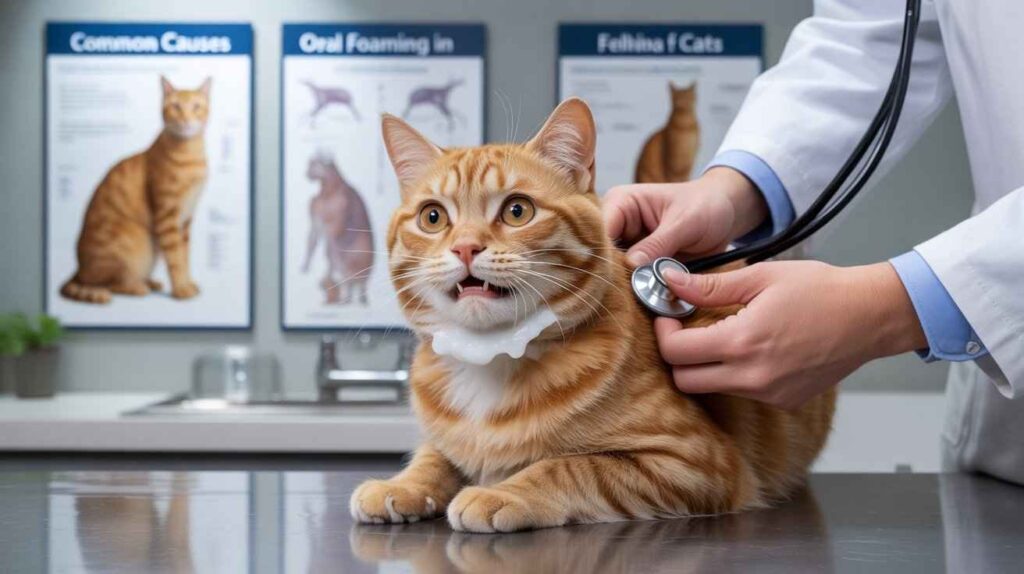
Seeing your cat foam at the mouth can be shocking — especially when you don’t know what’s causing it.
Sometimes, it’s harmless and short-term, like from stress or a bitter taste, but in other cases, it may signal a serious health issue, such as poisoning or oral disease.
Understanding why cats foam at the mouth, recognizing the signs to watch for, and knowing when to see the vet can help you protect your pet and act quickly when needed.
What Foaming at the Mouth Can Mean
| Possible Cause | Severity Level | What You Might Notice | What You Should Do |
|---|---|---|---|
| Stress or Fear | Mild | Foaming during vet visit, loud noises, or car ride | Calm your cat and keep it in a quiet place |
| Bitter Medication | Mild to Moderate | Foaming after medicine or topical treatment | Rinse mouth gently and consult your vet if it continues |
| Dental Problems | Moderate | Drooling, foul smell, swollen gums | Schedule a dental checkup |
| Poisoning | Serious | Vomiting, weakness, drooling, shaking | Call your vet or emergency clinic immediately |
| Seizures or Rabies | Critical | Tremors, confusion, uncontrolled movements | Seek urgent veterinary help |
1. Stress or Fear Reaction (Mild and Temporary)
Cats often foam at the mouth when they experience extreme fear or anxiety. This can happen during:
- Car rides
- Vet visits
- Bathing or medication
The foaming results from excess saliva produced by stress. Once your cat relaxes, the foaming usually stops on its own.
Tip: Keep your cat calm by creating a quiet environment and using gentle reassurance.
2. Bitter Medications or Bad Taste
One of the most common causes of foaming is a reaction to bitter-tasting medicine. Cats are very sensitive to taste, and even small doses of unpleasant medication can make them drool and foam.
Solution:
- Only use vet-prescribed medicines.
- Apply topical treatments where your cat cannot lick.
- If foaming persists, contact your vet for alternatives.
3. Oral Health Issues (Dental or Gum Problems)
Foaming may also point to mouth pain or infection. Cats suffering from gingivitis, ulcers, or tooth decay produce more saliva, which can turn into foam.
Signs include:
- Bad breath
- Difficulty chewing
- Swollen or bleeding gums
What to do:
Take your cat for a dental examination and maintain good oral hygiene through regular brushing and dental treats.
4. Nausea or Poisoning (Serious Cause)
If your cat ingests something toxic, foaming can be a sign of poisoning. Dangerous substances include:
- Household cleaners
- Human medications
- Toxic plants like lilies and azaleas
Symptoms:
- Vomiting
- Weakness
- Tremors
Action:
Seek emergency veterinary help immediately. Do not induce vomiting unless told by a vet.
5. Seizures or Neurological Disorders
Seizures can cause foaming at the mouth due to muscle spasms and heavy drooling. Conditions like epilepsy, brain injury, or rabies can trigger these episodes.
Warning signs:
- Convulsions
- Disorientation
- Sudden collapse
Solution:
Keep your cat safe, avoid touching its mouth, and rush to the vet immediately.
When to See the Vet Immediately
Take your cat for urgent care if:
- Foaming occurs frequently or suddenly
- There are signs of vomiting or seizures
- Your cat seems weak or unresponsive
- You suspect poisoning
Prompt treatment can prevent serious complications.
Prevention Tips to Keep Your Cat Safe
| Preventive Measure | Benefit for Your Cat |
|---|---|
| Store chemicals safely | Avoids accidental poisoning |
| Maintain dental hygiene | Prevents mouth pain and infections |
| Use approved medications | Reduces reaction-based foaming |
| Limit stress triggers | Keeps your cat calm and healthy |
| Observe changes early | Helps catch illness before it worsens |
FAQs
Q1: Is foaming at the mouth always a sign of disease?
Not always. It can simply mean your cat is stressed or dislikes a taste, but if it’s recurring or paired with other symptoms, consult a vet right away.
Q2: Can flea treatment make cats foam?
Yes. If your cat licks topical flea products, the bitter taste can cause temporary foaming. Apply treatments on the back of the neck.
Q3: What if my cat foams after taking medicine?
Give clean water and watch closely. If foaming or discomfort continues, call your vet for an alternative form.
Q4: Can dehydration or overheating cause foaming?
Rarely, yes. Thick saliva from dehydration or heat can appear foamy. Always keep your cat hydrated and cool.
Hi, I’m Sana Sajid!I’m the voice behind CatsCare.blog, sharing my 10+ years of hands-on cat care experience. With a diploma in animal care, I offer practical tips, trusted advice, and easy-to-follow guides to help keep your cats healthy and happy.
When I’m not writing, I spend time with my own cats or exploring the latest developments in feline health. Follow CatsCare.blog for expert insights and real cat stories!
![A fluffy silver tabby cat with long fur is sprawled out and relaxing on a light-colored sofa, looking towards the camera. [Why Are Cats So Lazy?]](https://catscare.blog/wp-content/uploads/2025/09/why-are-cats-so-lazy.jpg)
![A tabby cat with its mouth wide open, exposing its teeth and tongue, used to illustrate dental problems and answer the question [Why are my Cat’s Teeth Falling out?].](https://catscare.blog/wp-content/uploads/2025/12/Cats-Teeth-Falling-out.jpg)
2 thoughts on “5 Scary Reasons Why Do Cats Foam at the Mouth”