

Why do black cats turn brown? 5 Interesting reasons: 1. Sunlight 2. Diet 3. Aging 4. Genetics 5. Health issues.
Why Do Black Cats Turn Brown?
Have you ever noticed your black cat’s fur turning brown and wondered why? This surprising change can happen for several natural or health-related reasons.
A cat’s coat color depends on melanin, the same pigment that affects human hair and skin tone. When melanin levels drop due to sunlight, nutrition, or aging, your cat’s deep black shade may start to fade into brown or reddish tones.
Understanding the causes behind this transformation helps ensure your feline’s health, diet, and environment stay perfectly balanced.
Quick Look: Why Your Black Cat’s Fur Might Turn Brown
| Reason | Main Cause | Is It Serious? |
|---|---|---|
| Sunlight Exposure | UV rays fading pigment | No |
| Poor Nutrition | Lack of tyrosine or copper | Yes |
| Aging | Natural pigment loss | No |
| Genetics | Born with brownish-black genes | No |
| Health Issues | Hormonal or liver problems | Yes |
1. Sunlight Exposure
If your cat loves sitting by the window or lying in the sun, the UV rays can fade the pigment in its fur. This is known as sun bleaching or “rusting.” The black fur may turn brown or reddish, especially on the back or ears.
This type of color change is harmless. Once your cat spends less time in direct sunlight, the color often darkens again. You can reduce fading by giving your cat shaded spots to rest in during the day.
2. Poor Nutrition
A lack of nutrients, especially tyrosine, can make a black cat’s fur turn brown. Tyrosine helps the body produce melanin, which keeps fur dark. If your cat’s food lacks this amino acid, the black color begins to fade.
Other nutrients, such as copper and protein, also play an essential role.
Signs your cat might need better nutrition include:
- For turning brown or reddish
- Dull or dry coat
- Shedding or hair loss
Solution: Feed your cat a high-quality protein diet (chicken, fish, or beef). If the fur doesn’t improve, talk to your vet about supplements or blood tests to check for deficiencies.
3. Aging
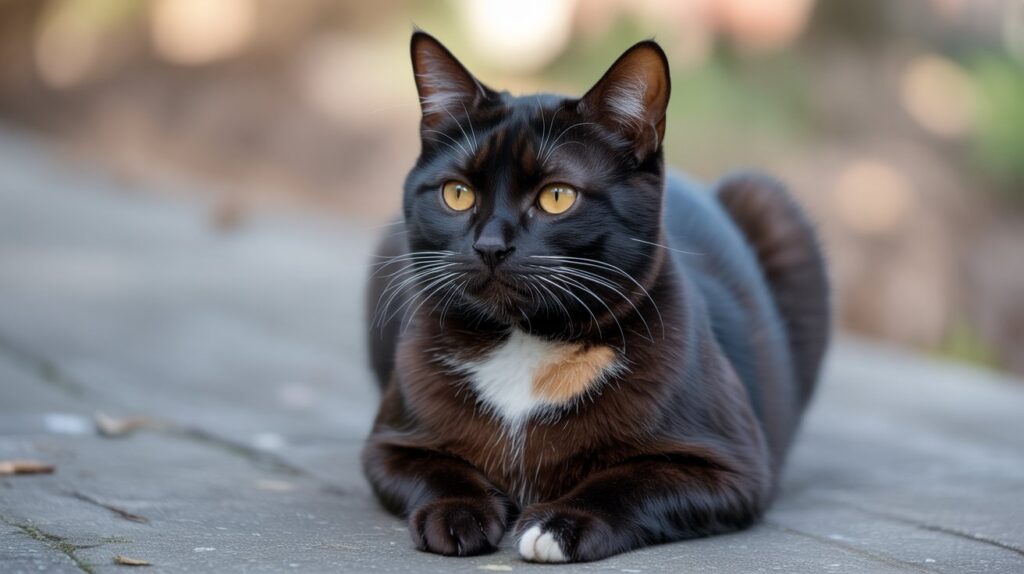
As cats get older, it’s normal for their fur to lose pigment. Older cats often develop gray or brown streaks in their black coat, especially around the face or paws.
This happens because melanin production slows down with age.
This color change is entirely natural and nothing to worry about. It’s just part of your cat growing older gracefully.
4. Genetics
Some cats that look black are actually very dark brown due to genetics. Their fur may look black indoors, but it shows a brown tint in sunlight. This depends on their coat color genes — specifically the B gene (black vs. brown) and D gene (dilution).
So if your cat’s fur has always had a brown glow, it’s likely genetic, not caused by health issues. This is completely normal and adds to your cat’s unique look.
5. Health Issues
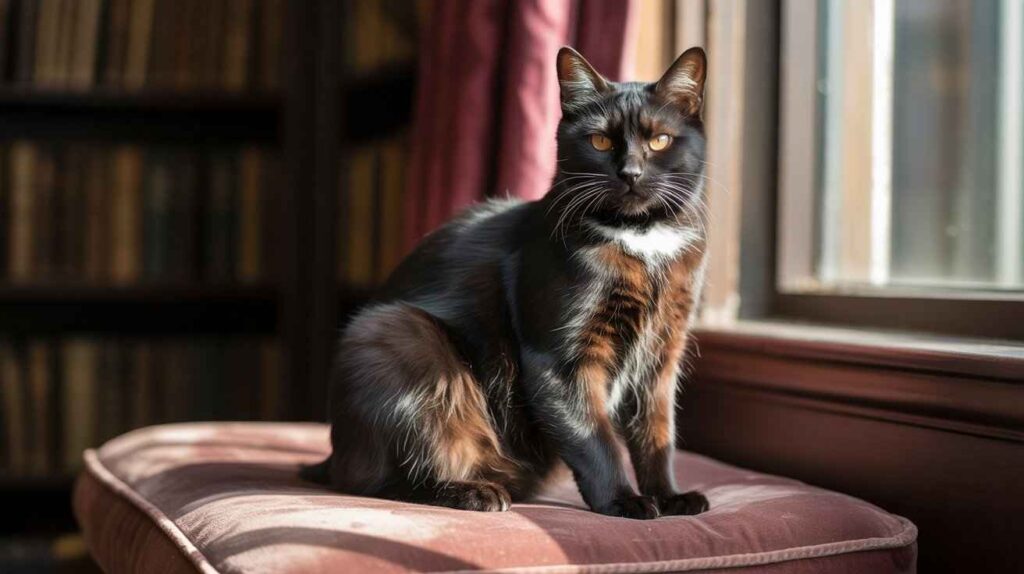
If your cat’s fur changes color suddenly and you notice these symptoms, see a veterinarian:
- Patchy fur or bald spots
- Dandruff or flaky skin
- Low energy or loss of appetite
Getting a quick vet checkup can rule out serious issues early and keep your cat healthy.
Normal vs. Concerning Color Changes
| Type of Change | Likely Cause | What to Do |
|---|---|---|
| Slow fading after sun exposure | Sunlight | Normal |
| Dull reddish fur and shedding | Poor diet | Vet visit |
| Gray streaks in older cats | Aging | Normal |
| Uneven or patchy color | Health problem | See vet |
| Brown tint since kittenhood | Genetics | Normal |
Final Tip
Most of the time, a black cat turning brown is nothing to worry about. It’s usually caused by sunlight, genetics, or normal aging. However, if your cat’s coat dulls quickly or you notice other health changes, a simple diet check or vet visit can make a big difference.
FAQs
Q1. Is it normal for black cats to look brown in the sun?
Yes, sunlight can cause a temporary brown tint. It’s a normal effect of UV light on fur pigment.
Q2. Can diet cause my black cat’s fur to change color?
Yes. A diet low in protein or tyrosine can cause black fur to fade. High-quality food helps restore shine and color.
Q3. Does age affect fur color?
Yes. Older cats often get lighter or brownish fur as their pigment naturally decreases.
Q4. How can I prevent my cat’s fur from turning brown?
While you can’t always prevent it, keeping your cat healthy, well-fed, and out of harsh sunlight can help.
Q5. When should I see a vet?
If your cat’s color changes suddenly or if it seems tired, itchy, or is losing hair, it’s time for a vet visit.
Hi, I’m Sana Sajid!I’m the voice behind CatsCare.blog, sharing my 10+ years of hands-on cat care experience. With a diploma in animal care, I offer practical tips, trusted advice, and easy-to-follow guides to help keep your cats healthy and happy.
When I’m not writing, I spend time with my own cats or exploring the latest developments in feline health. Follow CatsCare.blog for expert insights and real cat stories!
![A gray and white cat with striking golden eyes looks intently forward against a blurred background of vertical wooden planks. [Why are Cats called Pussycats]](https://catscare.blog/wp-content/uploads/2025/12/Why-are-Cats-called-Pussycats.jpg)
Heard some buzz about gleewincasino and decided to give it a whirl. Not gonna lie, the bonuses were pretty sweet. The interface is clean and easy to use, too. You can see it yourself here: gleewincasino