

Why Do Cats Attack Birds 5 instinctive reasons: 1. Hunting instinct 2. Play behaviour 3. Territorial nature 4. Boredom 5. Natural predator drive.
Why Do Cats Attack Birds
Cats are adorable companions, but behind their gentle purrs lies a mighty hunter’s heart.
Even the sweetest, most pampered house cat has an ancient instinct to chase and capture moving prey—especially birds.
Whether your cat lives indoors or outdoors, the urge to stalk a flying creature is part of its natural behaviour.
Understanding why cats attack birds not only helps you protect wildlife but also keeps your cat safe and happy.
Let’s explore what drives this hunting instinct and how you can manage it responsibly.
At a Glance: Why Cats Attack Birds
| Reason | Description |
|---|---|
| Natural Hunting Instinct | Cats are born predators that instinctively stalk and catch prey. |
| Playful Curiosity | Cats often chase birds for fun or excitement. |
| Territorial Defense | Birds are seen as invaders in a cat’s space. |
| Boredom | Lack of activity makes cats look for stimulation. |
| Learned Behavior | Cats repeat actions that feel rewarding. |
1. Natural Hunting Instinct
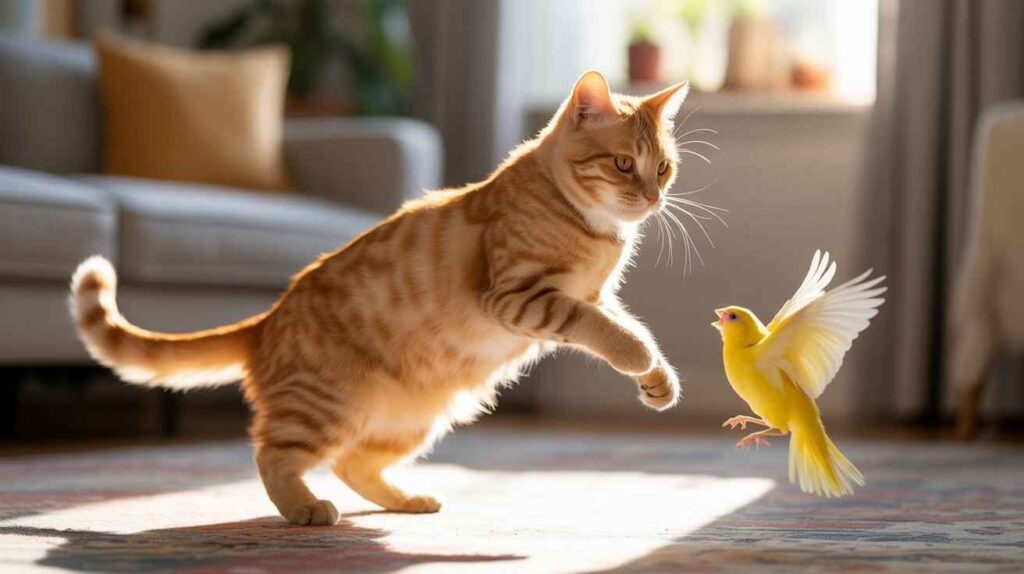
The main reason cats attack birds is their strong hunting instinct.
Cats are natural predators — their ancestors relied on small prey, like birds and mice, to survive.
Even though domestic cats no longer need to hunt for food, the instinct to stalk and pounce remains deeply ingrained.
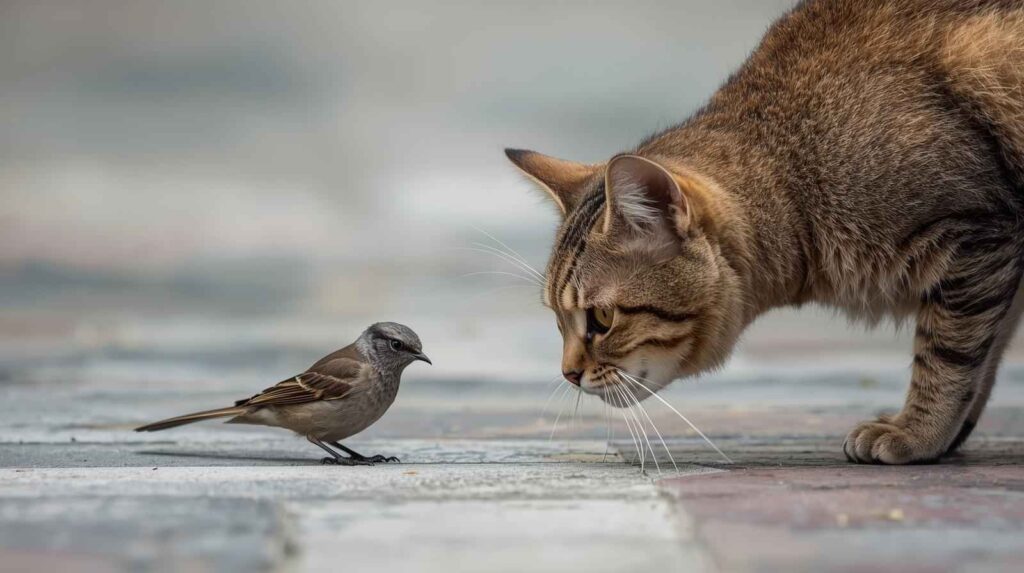
When your cat spots a fluttering bird, it automatically enters “hunt mode” — eyes wide, muscles tense, and tail twitching.
This isn’t aggression; it’s instinct. To your cat, the bird’s movement triggers a natural urge to chase and catch.
2. Play and Curiosity
Cats are naturally curious and playful. Birds move quickly, flap their wings, and make fascinating sounds — all of which attract a cat’s attention.
Young cats or kittens, in particular, often pounce out of curiosity rather than hunger.
Unfortunately, a playful swat can turn harmful if the bird gets caught.
To satisfy this instinct safely, it’s best to give your cat interactive toys, such as feather wands or moving laser lights.
3. Territorial Behaviour
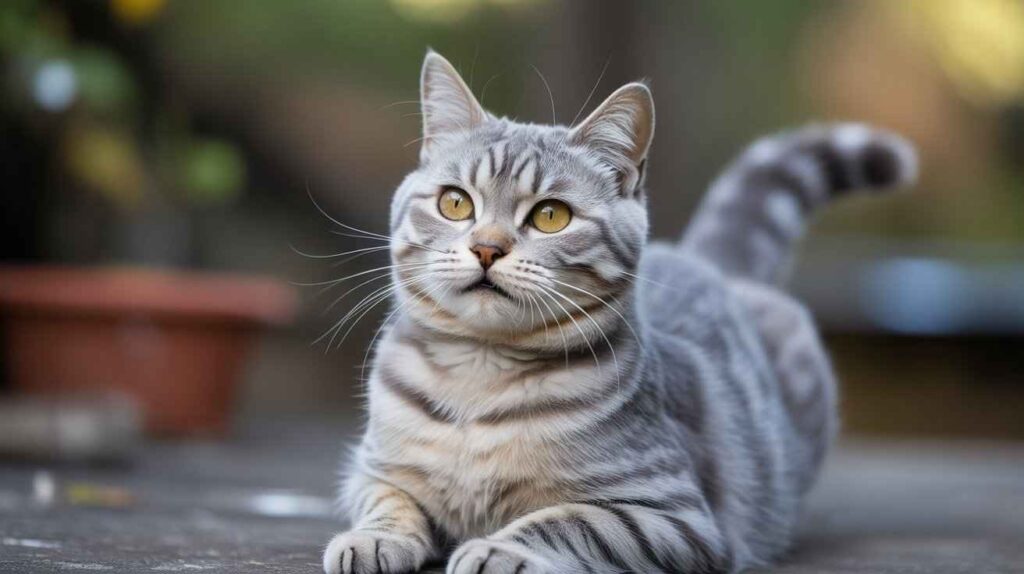
Cats are highly territorial animals. Whether it’s your garden, balcony, or even a window ledge, your cat sees this as its territory.
When a bird lands nearby, the cat may react by chasing or attacking it to defend its space.
Male and unneutered cats tend to show this behaviour more often, as they feel a stronger need to mark and protect their area.
4. Boredom and Lack of Stimulation
A bored cat can become a hunter. Without enough playtime, exercise, or mental activity, your cat may look for excitement in the wrong places — like chasing birds. This is especially common in indoor cats with limited stimulation.
To prevent this, ensure your cat has:
- Climbing posts or cat trees
- Puzzle feeders and toys
- At least 15–20 minutes of active play daily
Keeping your cat engaged and active can significantly reduce its hunting urges.
5. Learned or Reinforced Behaviour
Cats learn through experience and repetition. If your cat has successfully caught a bird before, it may remember the thrill and want to do it again.
Outdoor cats often develop this habit quickly, especially if they spend long hours unsupervised.
Once this pattern forms, it can be difficult to break — but not impossible. Providing alternatives like indoor hunting games or leash walks can help redirect their instincts.
Helpful Comparison Table
| Solution | How It Helps Your Cat and Birds |
|---|---|
| Keep Cat Indoors | Prevents direct contact with birds and protects your cat from outdoor dangers. |
| Use Cat Harness/Leash | Allows safe outdoor time without harming wildlife. |
| Provide Toys and Puzzles | Keeps your cat entertained and reduces hunting behavior. |
| Install Bird-Proof Feeders | Protects birds from being easy targets. |
| Regular Play Sessions | Satisfies your cat’s hunting instincts safely. |
How to Stop Your Cat from Attacking Birds
- Keep your cat indoors – This is the most effective way to protect birds and keep your pet safe from traffic and predators.
- Use supervised outdoor time – Try a cat harness or build an enclosed cat patio (catio).
- Add more playtime – Use wand toys, rolling balls, or food puzzles to mimic hunting behaviour.
- Make your yard bird-safe – Place feeders high or in areas cats can’t reach.
- Provide enrichment – Scratching posts, tunnels, and window perches help reduce boredom.
FAQs
1. Do cats kill birds for fun?
Yes, many cats hunt for stimulation, not hunger. The chase itself gives them excitement and satisfaction.
2. Are cats a danger to bird populations?
Yes. Studies show outdoor cats kill billions of birds each year, making them one of the biggest threats to small wildlife.
3. How can I protect birds in my yard?
Place feeders high off the ground, install motion sensors, and keep your cat indoors during early morning or evening hours when birds are most active.
4. Can I train my cat to stop hunting birds?
You can’t remove the instinct entirely, but positive training, playtime, and indoor enrichment can reduce the behaviour.
5. Why does my cat just watch birds but not attack them?
This is known as “cat TV.” Your cat enjoys the movement and sounds of birds — it’s mental stimulation without the danger.
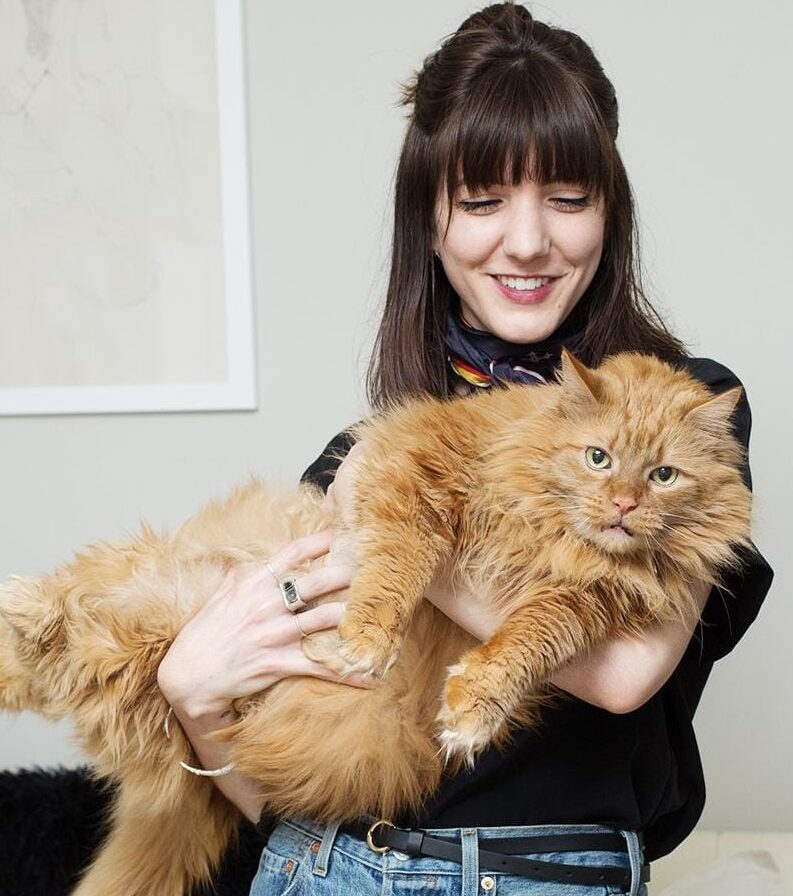
Hi, I’m Sana Sajid!I’m the voice behind CatsCare.blog, sharing my 10+ years of hands-on cat care experience. With a diploma in animal care, I offer practical tips, trusted advice, and easy-to-follow guides to help keep your cats healthy and happy.
When I’m not writing, I spend time with my own cats or exploring the latest developments in feline health. Follow CatsCare.blog for expert insights and real cat stories!
![A close-up portrait of a calico cat (black, white, and orange markings) looking upwards with its mouth slightly open, showing its teeth and some dark pigmentation on its gums and lips. [Why are my Cat’s Gums Black]](https://catscare.blog/wp-content/uploads/2025/11/Why-are-my-Cats-Gums-Black.jpg)


4 thoughts on “5 Instinctive Reasons Why Do Cats Attack Birds”