

Why are my cat’s ears cold? 5 concerning reasons: 1. Poor circulation 2. Temperature drop 3. Stress 4. Illness 5. Low body heat.
Why are my cat’s ears cold?
Many cat owners ask, “Why are my cat’s ears cold?” and instantly fear something’s wrong. The truth is, cold cat ears can be completely normal — or a sign of a health concern, depending on the situation.
A cat’s ears play a significant role in body temperature regulation, so they can sometimes feel cool to the touch even when your cat is healthy.
However, in some instances, cold ears may point to issues like poor circulation, stress, or hypothermia.
In this article, you’ll learn the five most concerning reasons why your cat’s ears are cold, what’s normal, and when it’s time to contact your vet.
Normal vs. Abnormal Cat Ear Temperature
| Ear Condition | Possible Reason | Normal or Not? | Recommended Action |
|---|---|---|---|
| Slightly cool | Normal body regulation | Normal | No concern |
| Very cold | Cold surroundings | Mild concern | Warm your cat gently |
| Cold with pale gums | Circulation issue | Concerning | Vet visit recommended |
| Hot or red | Fever or infection | Serious | See a vet immediately |
1. Natural Temperature Regulation
One of the most common answers to “Why are my cat’s ears cold?” lies in natural temperature control.
Cats have many blood vessels in their ears that help regulate their body temperature by releasing or retaining heat. When it’s cool, those vessels narrow to preserve warmth, making their ears feel cold to you.
If your cat is active, eating well, and behaving normally, cold ears are wholly natural and no treatment is needed.
2. Cold Environment
A calm environment is another normal reason why your cat’s ears feel cold. Because ears have thin skin and little fur, they lose heat quickly.
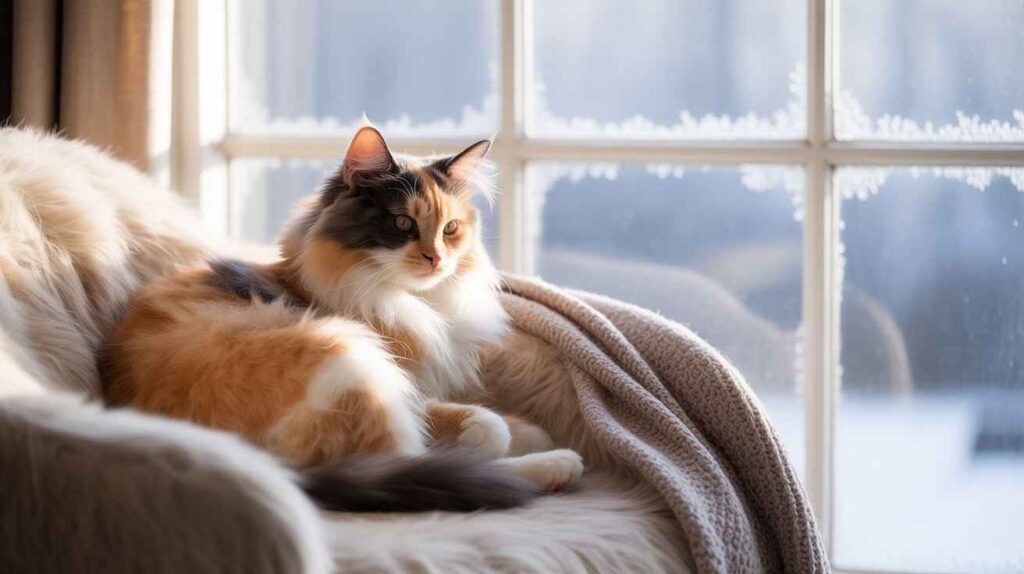
If your cat rests near windows, tile floors, or fans, their ears might cool down fast.
What to do:
- Move your cat to a warmer area.
- Provide a soft blanket or heated cat bed.
- Keep rooms between 70–75°F (21–24°C) in the winter months.
Once warm, your cat’s ears should return to normal temperature within minutes.
3. Poor Blood Circulation
Sometimes, the answer to why your cat’s ears are cold is reduced blood circulation.
When blood doesn’t flow properly to the extremities, areas like ears, paws, and tails can feel cold. This may occur from anemia, heart disease, or dehydration.
Warning signs:

- Pale gums or nose
- Cold paws
- Fatigue or weakness
If these symptoms appear along with cold ears, your cat should see a veterinarian for blood and heart checks.
4. Hypothermia (Low Body Temperature)
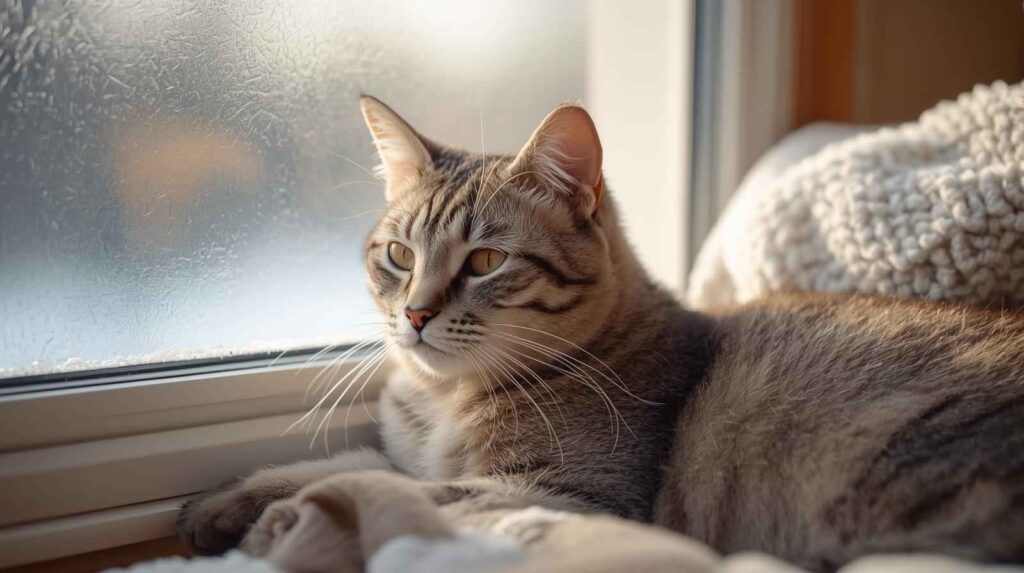
If your cat’s body temperature drops below 99°F (37°C), they may be experiencing hypothermia — one of the most serious reasons why your cat’s ears are cold.
Cats exposed to cold, wet, or windy environments for long periods are at higher risk.
Symptoms include:
- Cold ears, paws, and tail
- Shivering
- Lethargy or slow breathing
- Stiffness
Immediate care:
Wrap your cat in a warm towel, move them to a dry, heated space, and call your vet right away. Never use direct heat — gradual warmth prevents shock.
5. Stress or Shock
Another overlooked reason why your cat’s ears are cold is stress or sudden shock.
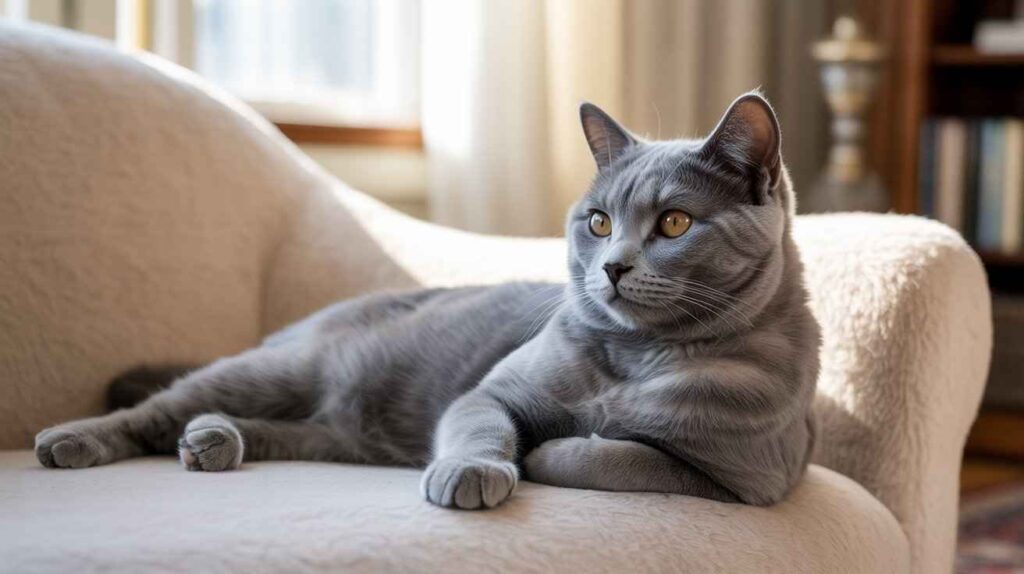
When a cat feels scared or anxious, blood flow is redirected from the skin to vital organs, causing cooler extremities like ears and paws.
This can happen after:
- A loud noise
- A vet visit
- A sudden fright
Once your cat relaxes, blood circulation normalizes, and the ears will warm up naturally.
To help reduce stress:
- Offer a quiet resting area
- Use pheromone diffusers or sprays
- Keep a consistent daily routine
Causes, Symptoms, and Quick Solutions
| Cause | Common Signs | Home Care Tips | When to Call a Vet |
|---|---|---|---|
| Cold environment | Cool ears only | Warm blanket, cozy bed | Only if it persists |
| Poor circulation | Pale gums, tiredness | Encourage hydration | If symptoms last |
| Hypothermia | Shivering, low energy | Gradual warming | Immediately |
| Stress | Cold ears after fright | Calm environment | If frequent |
| Normal regulation | Active, healthy behavior | None needed | No concern |
FAQs
Q1. Is it normal if my cat’s ears are cold?
Yes. If your cat is behaving normally and only the ears are cool, it’s usually a sign of natural temperature regulation, not illness.
Q2. Why are my cat’s ears cold, but they seem fine?
That’s typically normal. Cats often have cooler ears when resting, grooming, or staying in an air-conditioned space.
Q3. Can cold ears mean my cat is sick?
Sometimes. If you experience cold ears accompanied by pale gums, low energy, or shaking, it may indicate circulation or temperature issues. Seek vet advice.
Q4. How can I keep my cat warm in winter?
Provide soft blankets, heated beds, and keep them away from drafts or damp spots to help maintain a healthy cat ear temperature.
Q5. Do cold ears mean my cat has a fever?
No — fever causes warm ears, not cold ones. Cold ears usually indicate cool environments or reduced blood flow, not high temperature.

Hi, I’m Sana Sajid!I’m the voice behind CatsCare.blog, sharing my 10+ years of hands-on cat care experience. With a diploma in animal care, I offer practical tips, trusted advice, and easy-to-follow guides to help keep your cats healthy and happy.
When I’m not writing, I spend time with my own cats or exploring the latest developments in feline health. Follow CatsCare.blog for expert insights and real cat stories!
![A side profile of a grey tabby cat with amber eyes, used to illustrate common medical reasons why [My Cat lose his Voice].](https://catscare.blog/wp-content/uploads/2026/01/My-Cat-lose-his-Voice.jpg)
![A mother orange and white tabby cat sitting with her four kittens (two gray, two orange) in front of a wooden shelf, related to information on when or why a [Cat move her Kittens].](https://catscare.blog/wp-content/uploads/2025/12/Cat-move-her-Kittens.jpg)
4 thoughts on “5 Concerning Reasons Why are my cat’s ears cold?”