
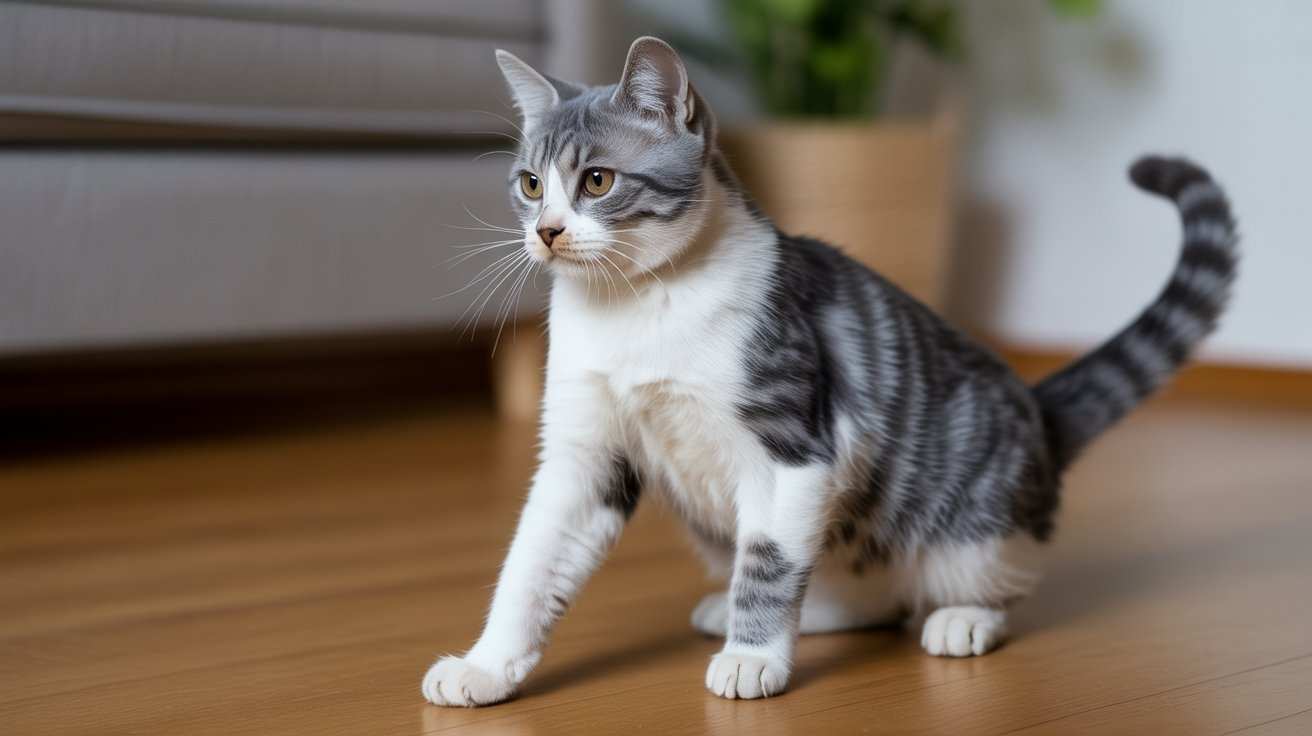
Why can’t my cat walk? 5 alarming reasons: 1. Injury 2. Arthritis 3. Nerve damage 4. Weak muscles 5. Serious illness.
Why can’t my cat walk?
Seeing your cat suddenly struggle to walk can be alarming. Cats are usually graceful and agile, so when they lose control of their movements, it almost always points to a health problem.
Sometimes the cause is minor and treatable, but in other cases it may signal a serious medical condition that requires urgent care.
In this article, we’ll explore the five primary reasons cats can’t walk properly, explain the symptoms to watch for, and share solutions to help your cat recover safely.
Quick Overview of Why Cats Can’t Walk
| Reason | Main Cause | Severity |
|---|---|---|
| Injury/Trauma | Fractures, falls, accidents | Moderate–Severe |
| Neurological Problems | Spinal cord injury, brain disease | Severe |
| Arthritis & Joint Issues | Age-related stiffness, hip dysplasia | Mild–Moderate |
| Muscle Weakness/Paralysis | Nutrient deficiency, poisoning, spinal damage | Moderate–Severe |
| Serious Health Conditions | Blood clot, kidney failure, infections | Life-Threatening |
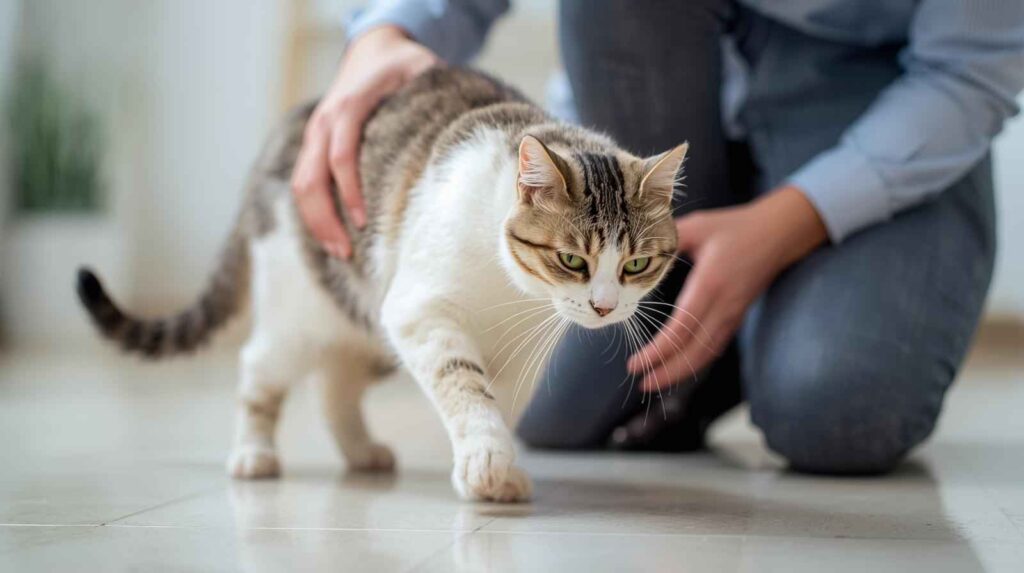
1. Injury or Trauma
Cause:
Cats often injure themselves through falls, car accidents, fights, or rough jumps. These accidents can result in fractures, sprains, or dislocations, which immediately affect mobility.
Symptoms:
- Showing a limp or avoiding pressure on one leg
- Swelling or visible wounds
- Crying or meowing when touched
Solution:
- Keep your cat calm and confined to prevent more injury.
- Do not try to massage or adjust the leg yourself.
- Seek immediate veterinary care—X-rays may be needed to check for fractures.
- Pain medication, splints, or even surgery may be required depending on severity.
2. Neurological Problems
Cause:
The brain, spinal cord, and nerves control balance and coordination. Problems such as spinal injuries, brain infections, or strokes can cause sudden walking difficulties.
Symptoms:
- Wobbling or staggering
- Head tilting or walking in circles
- Dragging legs or collapsing

Solution:
- Get a neurological exam at the vet.
- Treatment may include anti-inflammatory drugs, surgery, or physiotherapy, depending on the cause.
- Infections need antibiotics or antiviral medications.
- Early treatment is critical to prevent permanent damage.
3. Arthritis and Joint Disorders
Cause:
Older cats often develop arthritis, which causes pain, stiffness, and inflammation. Other joint conditions, such as hip dysplasia or a slipping kneecap, can also reduce mobility.
Symptoms:

- Difficulty climbing or jumping
- Walking slowly or stiffly
- Reduced play or activity
Solution:
- Provide soft bedding, ramps, and warm resting spots.
- Ask your vet about joint supplements (glucosamine, chondroitin).
- Pain relief medication can improve comfort.
- Maintain a healthy weight to reduce strain on joints.
4. Muscle Weakness or Paralysis
Cause:
Cats may become weak due to vitamin/mineral deficiencies, muscle disease, poisoning, or spinal damage. This reduces their ability to support their body.
Symptoms:
- Trembling or shaking when standing
- Dragging legs
- Collapsing after short movements

Solution:
- A vet will run blood tests to detect nutrient deficiencies or toxins.
- Provide a balanced diet rich in essential nutrients.
- Severe cases may require physical therapy or supportive care.
- If poisoning is suspected, emergency treatment is critical.
5. Serious Health Conditions
Cause:
Some cases are linked to life-threatening diseases:
- A saddle thrombus (blood clot) is blocking blood flow to the back legs
- Kidney disease or diabetes is causing weakness
- Infections (like FIP or toxoplasmosis) affecting the nervous system
Symptoms:

- Sudden paralysis in the back legs
- Crying loudly in pain
- Cold hind limbs
- Lethargy and loss of appetite
Solution:
- Saddle thrombus is a medical emergency—go to the vet immediately.
- Kidney and diabetes-related weakness need long-term management, medication, and diet changes.
- Infections require antibiotics or antivirals.
- Early veterinary care is the only way to save your cat in these cases.
Symptoms & Solutions at a Glance
| Symptom | Possible Cause | Suggested Solution |
|---|---|---|
| Limping or swollen leg | Injury or trauma | X-rays, pain relief, splint/surgery |
| Wobbling, head tilting | Neurological disorder | Vet exam, meds, possible surgery |
| Stiff walking, slow movement | Arthritis or joint disease | Supplements, pain management, ramps |
| Trembling, collapsing | Muscle weakness, poisoning | Blood tests, balanced diet, detox |
| Sudden leg paralysis | Blood clot (saddle thrombus) | Emergency vet visit, blood thinners |
FAQs
Q1. Why is my cat suddenly unable to walk?
This may be caused by injury, neurological issues, or blood clots. It should be treated as an emergency.
Q2. Can arthritis stop a cat from walking?
Yes, severe arthritis causes stiffness and pain that make movement very difficult, especially in older cats.
Q3. What should I do if my cat can’t stand up?
Keep your cat calm, avoid moving them too much, and visit the vet immediately for diagnosis.
Q4. Could diet cause weakness in cats?
Yes, nutritional deficiencies can weaken muscles and bones, affecting mobility. A proper diet is essential.
Q5. When should I see a vet?
If your cat has sudden changes in walking, cries in pain, or refuses to move, seek a vet without delay.

Hi, I’m Sana Sajid!I’m the voice behind CatsCare.blog, sharing my 10+ years of hands-on cat care experience. With a diploma in animal care, I offer practical tips, trusted advice, and easy-to-follow guides to help keep your cats healthy and happy.
When I’m not writing, I spend time with my own cats or exploring the latest developments in feline health. Follow CatsCare.blog for expert insights and real cat stories!

![A person's hand is using a slicker brush to groom a short-haired gray cat lying on a wooden floor, with a large pile of shed fur next to the cat. [Why is my Cat shedding in winter]](https://catscare.blog/wp-content/uploads/2025/11/Why-Is-My-Cat-Shedding-in-Winter-.jpg)

2 thoughts on “5 Alarming Reasons Why can’t my cat walk?”