

Why can’t my cat poop: 1. Constipation 2. Dehydration 3. Hairballs 4. Poor diet 5. Lack of exercise 6. Obstruction 7. Stress 8. Pain 9. Aging 10. Litter issues.
Why can’t My Cat Poop
If you’ve noticed your cat struggling to poop, visiting the litter box often without success, or looking uncomfortable, it’s a sign that something is wrong.
Constipation in cats is common, but it should never be ignored.
A normal, healthy cat typically passes stool one to two times daily. When that routine changes, it may indicate a problem with digestion, diet, or health.
Let’s look at 10 common reasons why cats can’t poop and what you can do to help them feel better.
Causes & What to Do
Being aware of the signs of distress can help you figure out why can’t my cat poop before it becomes a serious issue.
In many cases, a vet can help you understand why your cat can’t poop and provide effective solutions.
| Reason | Possible Cause | What You Can Do |
|---|---|---|
| 1. Dehydration | Not enough water | Give more water or wet food |
| 2. Low Fiber Diet | Lack of fiber in food | Add fiber or pumpkin purée |
| 3. Hairballs | Excess grooming | Use hairball treats or food |
| 4. Lack of Exercise | Little movement | Encourage daily playtime |
| 5. Litter Box Issues | Dirty or noisy box | Keep box clean and private |
| 6. Blocked Intestines | Object or mass in gut | See vet right away |
| 7. Stress or Anxiety | Change in home routine | Keep calm environment |
| 8. Aging | Weak muscles or slow digestion | Give senior diet and easy box |
| 9. Anal Gland Problems | Swelling or blockage | Vet cleaning or treatment |
| 10. Medication Side Effects | Painkillers, iron, or drugs | Ask vet for alternatives |
1. Dehydration
One of the most common reasons cats can’t poop is not drinking enough water. When cats are dehydrated, their stools become dry and hard, making them painful to pass.
Fix:
- Always keep fresh water available.
- Offer wet cat food instead of only dry kibble.
- A cat water fountain can encourage more drinking.
2. Low-Fiber Diet
Cats need some fiber to keep their digestion healthy. A diet with too little fiber makes it harder for food to move through the intestines.
Fix:
- Mix pumpkin purée (plain, not pie mix) into meals.
- Choose a high-fiber cat food with your vet’s advice.
- Give small, frequent meals instead of large ones.
3. Hairballs
Cats clean themselves often, and they swallow loose fur. Too much fur can build up in the intestines, blocking normal stool movement.
Fix:
- Brush your cat daily to remove loose fur.
- Offer hairball control treats or special food formulas.
- Keep your cat well-hydrated to help fur move through safely.
4. Lack of Exercise
Indoor cats who sleep or sit most of the day have slower digestion. Movement helps the intestines work properly.
Fix:
- Encourage 10–15 minutes of play twice a day.
- Use feather wands, climbing posts, or ball toys.
- Playtime also reduces stress — another cause of constipation.
5. Litter Box Problems
Cats may hold in poop if their litter box is dirty, too small, or placed in a noisy area. Holding it too long can make the stool hard and dry.
Fix:
- Clean the litter box once or twice daily.
- Place it in a quiet, private area.
- Avoid strongly scented litters that can bother cats.
If you have more than one cat, each cat should have their own box plus one extra.
Signs and What They Mean
| Sign You Notice | What It Might Mean | What You Should Do |
|---|---|---|
| Cat hasn’t pooped in 2+ days | Dehydration or blockage | Call your vet |
| Cat strains or cries in box | Pain or constipation | Vet visit needed |
| Small, hard pellets | Low fiber or dehydration | Add wet food or fiber |
| Vomiting with no poop | Possible blockage | Emergency vet care |
| Avoiding box | Dirty or stressful location | Clean and relocate box |
6. Blocked Intestines
A blocked intestine is serious and needs immediate care. It may happen if your cat swallows string, toys, or bones. This stops stool from passing and can be life-threatening.
Fix:
- If your cat hasn’t pooped in over 48 hours, or is vomiting or in pain, go to the vet immediately.
- Never try to treat a blockage at home.
7. Stress or Anxiety

Cats are very sensitive to changes in their world. A new pet, moving homes, or loud noises can upset them. Stress affects digestion and may cause constipation.
Fix:
- Keep your cat’s routine steady and calm.
- Use pheromone sprays or diffusers to reduce tension.
- Give your cat a quiet space to rest and feel safe.
8. Aging and Weak Muscles
Older cats often have weaker digestive muscles, which slows down poop movement. They may also drink less water or move less often.
Fix:
- Feed your senior cat a special senior diet that’s soft and high in moisture.
- Provide low-entry litter boxes that are easy to use.
- Encourage gentle play each day to support digestion.
9. Anal Gland Problems
Cats have small scent glands near the anus. When these get blocked or swollen, it can be painful to poop, so your cat may avoid trying.
Fix:
- Visit your vet to have the glands checked and cleaned.
- If infected, your vet will give medicine to reduce swelling.
10. Medication Side Effects
Some medications — such as painkillers, antihistamines, or iron supplements — can cause constipation as a side effect.
Fix:
- Never stop medicine without asking your vet.
- Talk to your vet about safe alternatives or stool softeners.
When to See the Vet Immediately
You should take your cat to the vet right away if they:
- Haven’t pooped for more than 48 hours
- Strain, cry, or look in pain in the litter box
- Vomit or lose appetite
- Show bloating or blood in their stool
Untreated constipation can cause serious conditions like megacolon or intestinal blockage.
Home Remedies for Mild Constipation
As your cat ages, understanding why can’t my cat poop becomes even more crucial to maintaining their health.
- Add 1 teaspoon of pumpkin purée to meals.
- Offer wet food to increase water intake.
- Give a cat-safe laxative only if your vet approves.
- Encourage light playtime after meals to help digestion.
If symptoms continue, your vet can perform tests and recommend special food or treatment.
FAQs
1. How long can a cat go without pooping?
No more than 48 hours. If longer, see your vet.
2. Can I give my cat human laxatives?
No. Only use vet-approved options.
3. Does stress cause constipation?
Yes. Stress and sudden changes can slow digestion.
4. Can food fix constipation?
Yes, a fiber-rich diet and wet food help soften stool.
5. When is it an emergency?
If your cat shows pain, vomiting, or hasn’t pooped for days, go to the vet immediately.
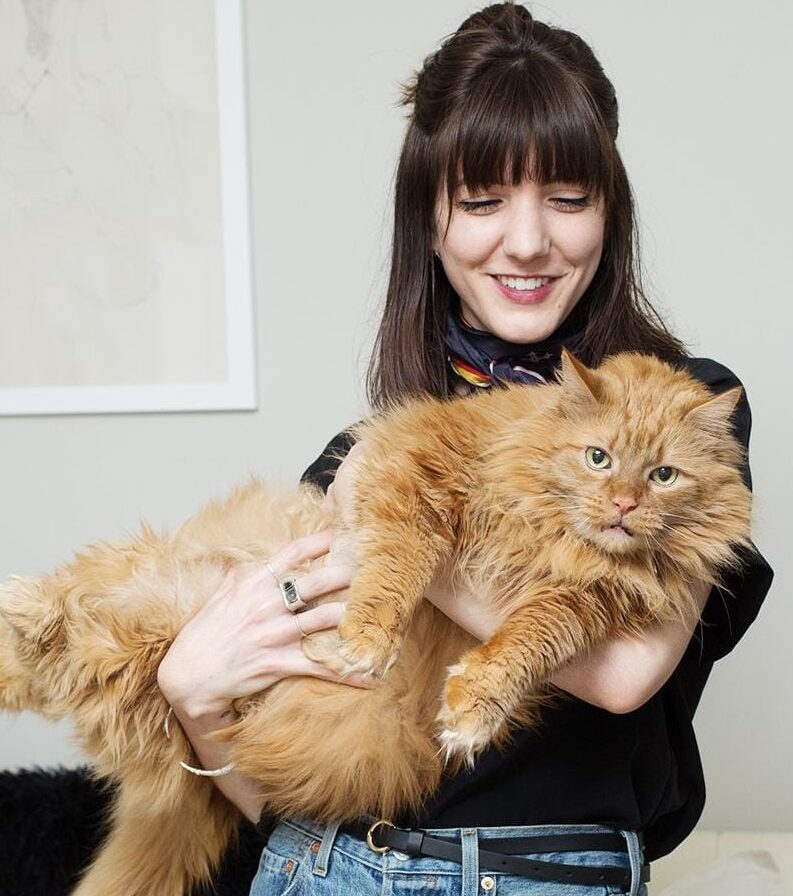
Hi, I’m Sana Sajid!I’m the voice behind CatsCare.blog, sharing my 10+ years of hands-on cat care experience. With a diploma in animal care, I offer practical tips, trusted advice, and easy-to-follow guides to help keep your cats healthy and happy.
When I’m not writing, I spend time with my own cats or exploring the latest developments in feline health. Follow CatsCare.blog for expert insights and real cat stories!

![A portrait of a beautiful tabby cat looking directly at the camera, used to illustrate an article about [Why do Cats always smell good].](https://catscare.blog/wp-content/uploads/2026/01/Why-do-Cats-always-smell-good.jpg)
Hi there, You have done a great job. I will certainly digg it and
personally suggest to my friends. I am confident they’ll be benefited from this web site.